


We produce custom springs and wireforms. We do not stock standard parts.
We produce custom springs and wireforms. We do not stock standard parts.


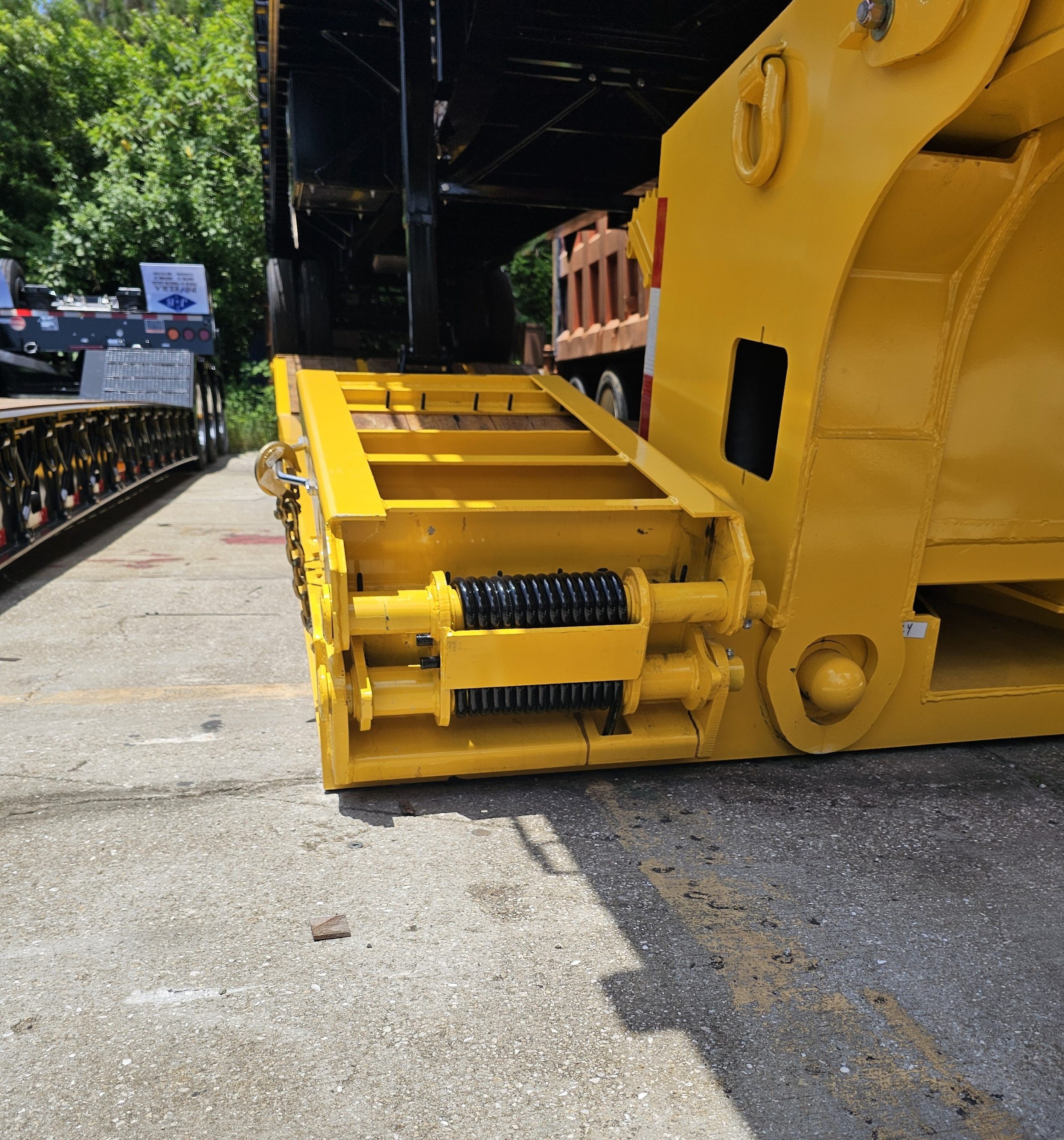
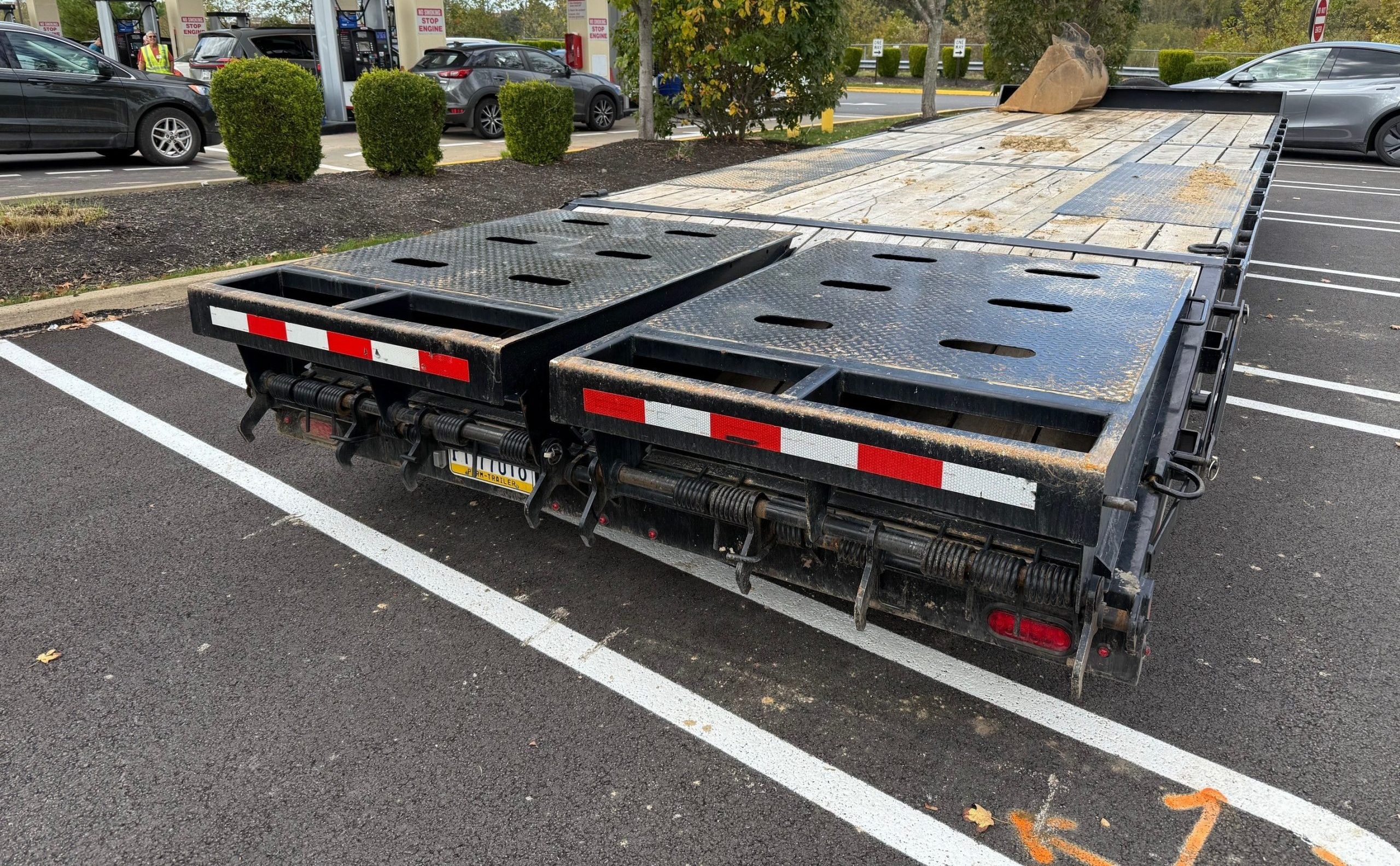

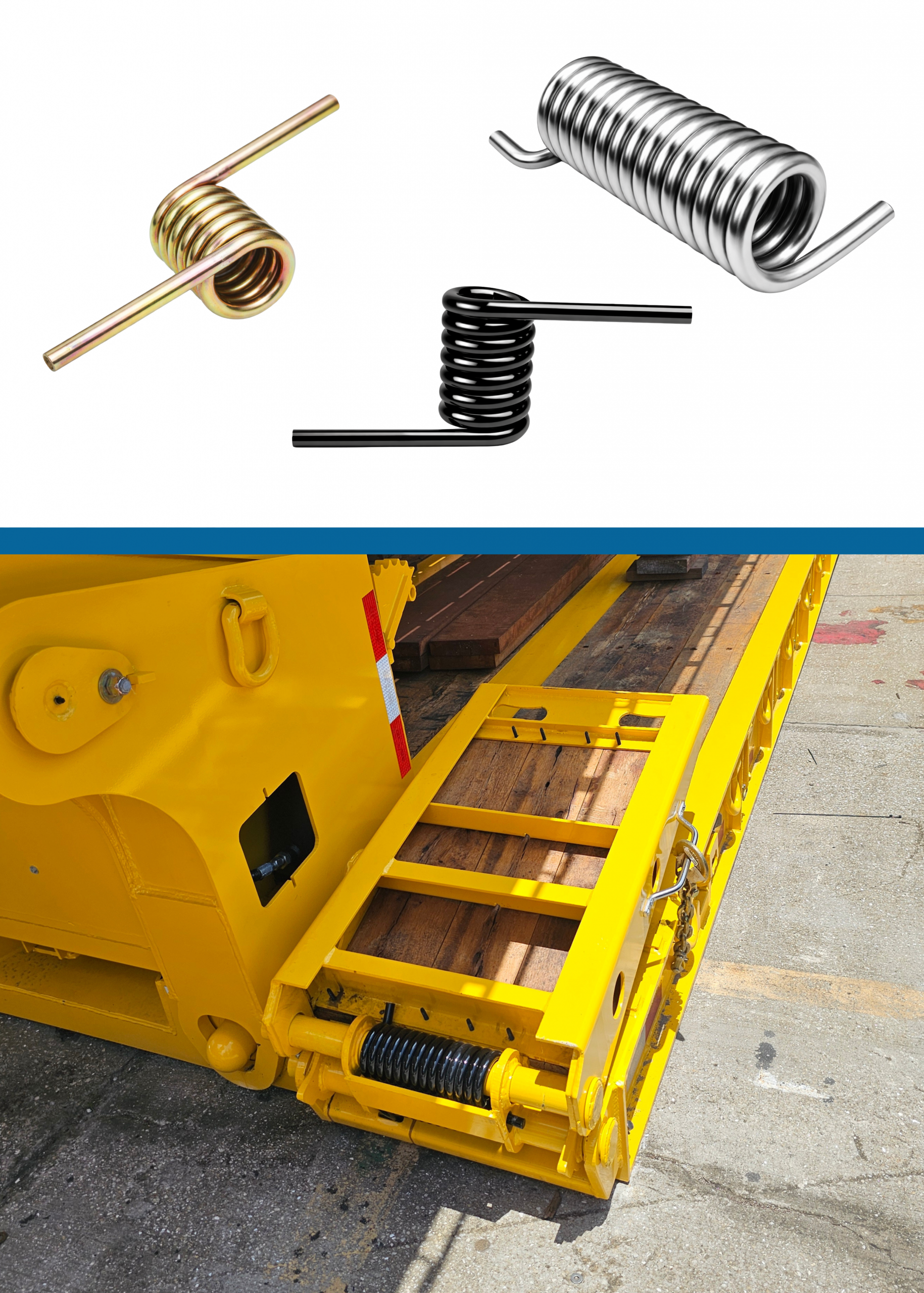
Custom trailer springs are manufactured around the load, torque, movement, mounting, environmental, and production requirements of a specific trailer application. Ace Wire Spring manufactures custom torsion springs, extension springs, compression springs, and wire forms for trailer OEMs and equipment manufacturers, including ramp-assist systems, liftgates, couplers, latching mechanisms, and other trailer components. Ace also supports qualified custom manufacturing projects with spring design assistance, prototypes, material and finish considerations, and production manufacturing.
Trailer springs and wire forms perform important mechanical functions throughout utility trailers, cargo trailers, enclosed trailers, equipment haulers, and other transport equipment.
Depending on the application, a spring may provide rotational assistance, return force, tension, controlled movement, counterbalance, retention, or other mechanical functions.
Ace Wire Spring & Form Co., Inc. manufactures custom springs and wire forms to customer specifications for trailer OEMs, equipment manufacturers, engineers, and purchasing teams.
Because Ace manufactures custom components rather than stocking standard trailer springs, each project can be evaluated around requirements such as:
Our goal is to help customers establish the technical and manufacturing information required to move a custom trailer spring project toward quoting, prototyping, and production.
Ace Wire Spring & Form Co., Inc. is a member of the National Association of Trailer Manufacturers (NATM).
Our involvement with the trailer manufacturing industry helps Ace stay connected with trailer OEMs and with the safety, quality, manufacturing, and regulatory topics affecting the industry.
Ace supports trailer manufacturers with custom springs and wire forms for applications including ramp-assist systems, liftgates, couplers, latching systems, and other trailer mechanisms.
Whether the project involves a utility trailer, cargo trailer, enclosed trailer, or equipment hauler, our team works with engineering and purchasing departments to manufacture springs around the specifications and production requirements of the application.
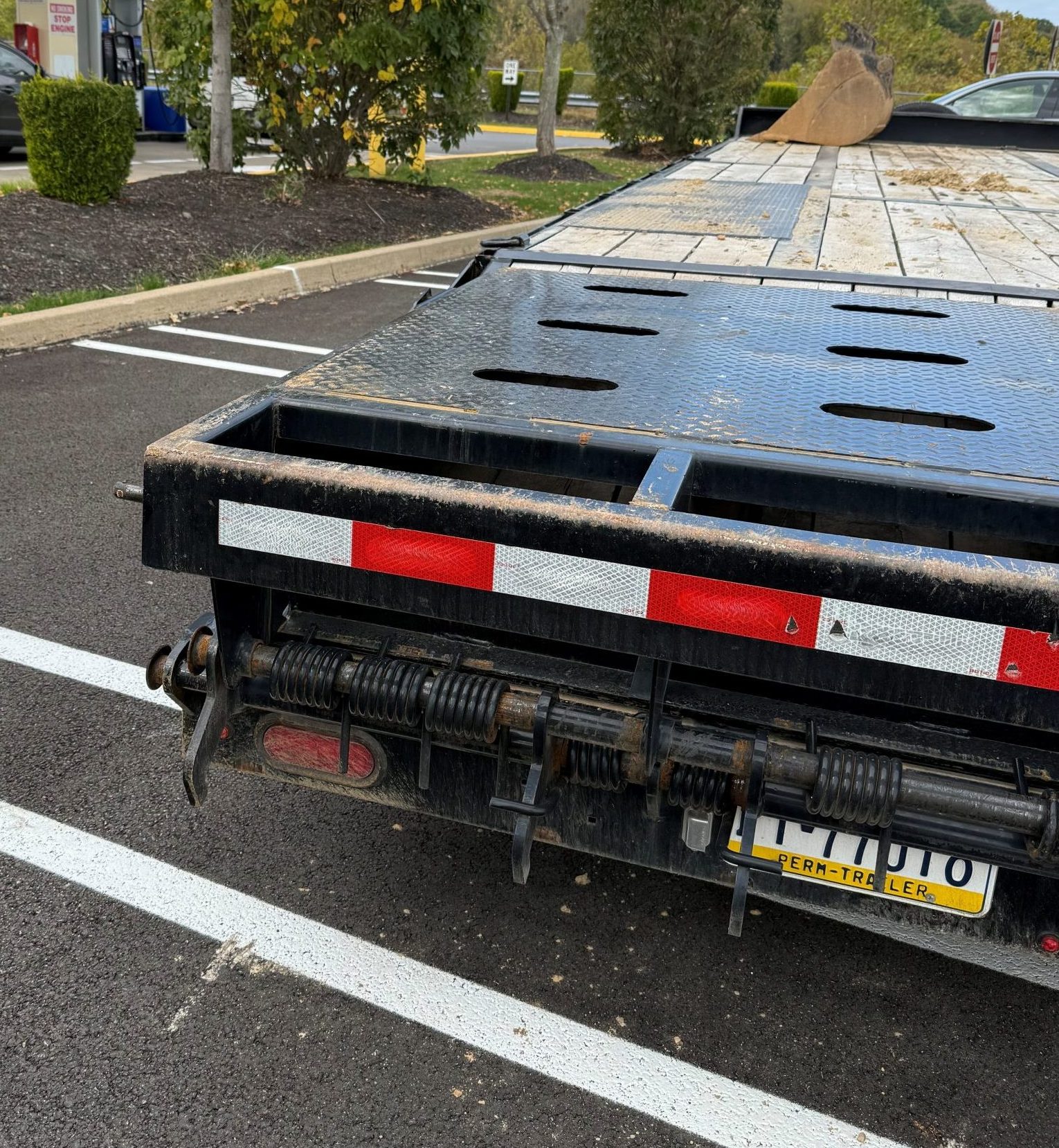
Ace Wire Spring has extensive experience in delivering custom spring solutions for the trailer industry. Our springs are built for durability and performance, ensuring trailers can handle various loads and terrains with ease.
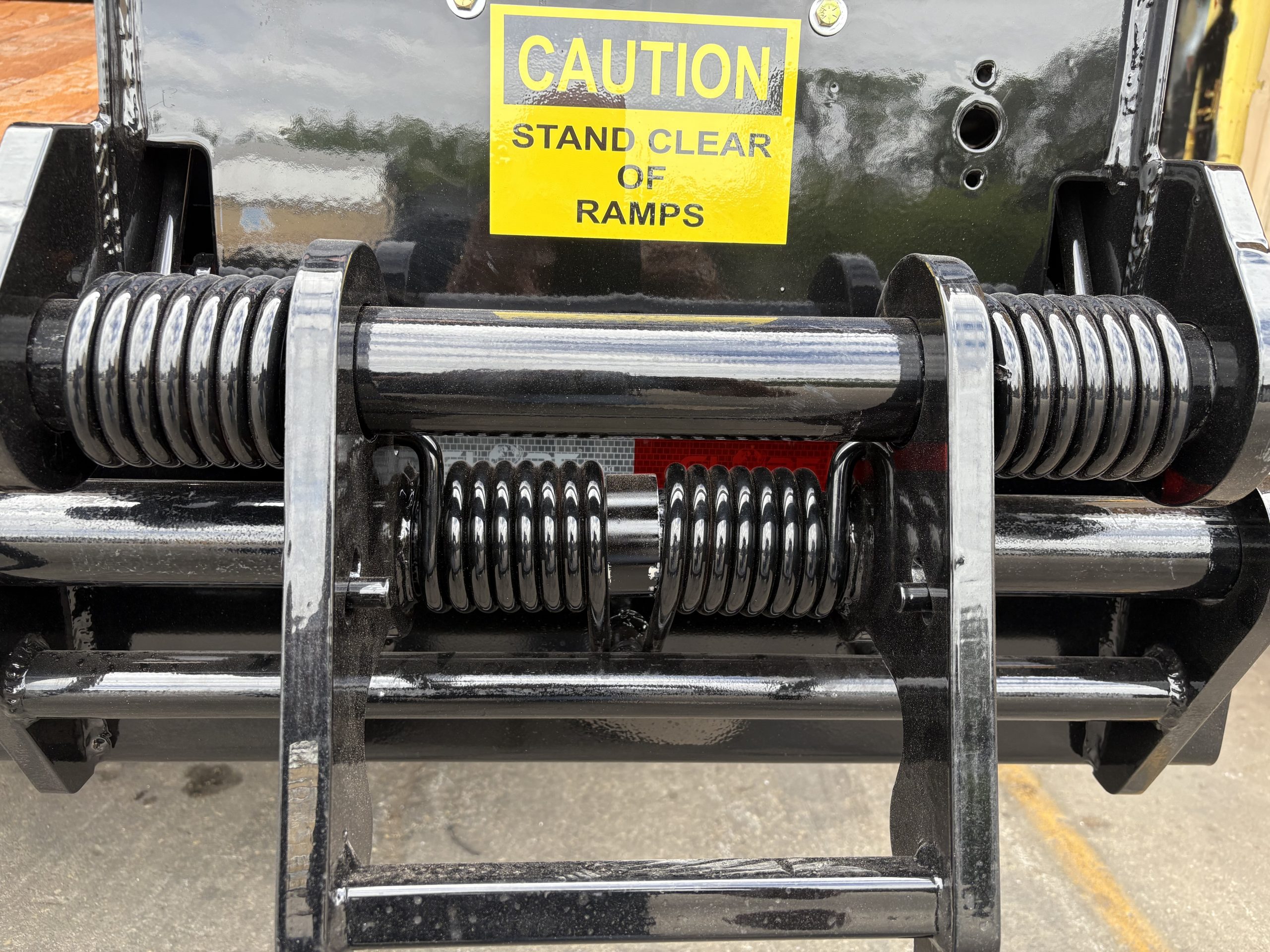
Torsion springs are commonly used in trailer ramp-assist systems where rotational force helps counterbalance the weight of a ramp during opening and closing.
Important design considerations can include:
Because these factors work together, a custom ramp-assist torsion spring should be evaluated around the actual trailer mechanism rather than spring dimensions alone.
Ace also manufactures torsion springs for liftgate applications used on work trucks, delivery vehicles, freight equipment, loading systems, and other material-handling applications.
Liftgate springs can help provide controlled rotational assistance when raising or lowering a gate.
Depending on the application, engineering considerations may include gate weight, required torque, angular movement, leg geometry, mounting position, spring dimensions, material, environmental exposure, and expected operating cycles.
Separating liftgate applications from trailer ramp applications helps ensure the spring is evaluated around the specific mechanism and operating requirements.
Extension springs can be used within trailer coupler mechanisms where controlled tension or return force is required.
Important considerations can include:
Compression springs may be used in trailer mechanisms where the application requires resistance to compressive force, controlled movement, load support, or return force.
Important design factors can include:
Custom wire forms may be used in trailer latching, retention, positioning, attachment, and other mechanical applications.
Unlike a conventional coil spring, a wire form can be manufactured around a specific shape, bend configuration, mounting point, or assembly requirement.
Important considerations can include:
Choosing a spring for a trailer application requires more than identifying the general spring type.
The spring needs to provide the correct mechanical performance while fitting within the available space and operating reliably under the conditions the trailer will encounter.
| Design Factor | Why It Matters |
|---|---|
| Load or torque | Determines the force or rotational assistance the spring must provide |
| Ramp or gate weight | Influences the amount of assistance required for controlled movement |
| Travel or rotation | Defines how far the spring must compress, extend, or rotate |
| Spring rate | Determines how spring force changes through movement |
| Mounting geometry | Influences dimensions, leg position, hooks, loops, and attachment |
| Available space | Limits spring diameter, length, and allowable movement |
| Cycle life | Repeated opening and closing can make fatigue performance important |
| Operating environment | Moisture, road salt, dirt, and debris may influence material and finish decisions |
| Material | Influences strength, fatigue characteristics, corrosion resistance, and manufacturability |
| Direction of wind | Important in many torsion spring applications |
| Production quantity | Can influence prototype and manufacturing considerations |
| Quality requirements | Inspection, documentation, and certifications should be identified before production |
Trailer ramp-assist systems are one of the most important applications for custom torsion springs in the trailer industry.
A ramp-assist spring stores rotational energy as the ramp moves and releases that energy to help counterbalance the ramp during operation. The objective is not simply to produce a spring that fits the assembly. The spring must provide the appropriate torque through the required range of movement.
Useful information can include:
For new or revised trailer designs, prototype evaluation can help determine whether the spring performs as intended within the actual ramp assembly.
Trailer springs can experience repeated movement while being exposed to outdoor and road conditions.
Potential causes of spring failure or reduced performance can include:
Understanding how the spring will be loaded, mounted, moved, cycled, and exposed during operation can help manufacturers evaluate spring requirements before custom production.
Trailer components may spend much of their service life outdoors and can encounter conditions very different from components used in controlled indoor environments.
Potential exposures include:
These conditions can influence decisions about spring material, finish, geometry, expected performance, and maintenance requirements.
Environmental conditions should therefore be identified during the design and RFQ process rather than after the spring has entered production.
There is no single spring material or finish that is best for every trailer application.
Material selection can depend on:
Depending on the application, potential spring materials may include carbon spring steels, stainless steels, alloy steels, and other materials.
Where corrosion or environmental exposure is a concern, the spring material and available secondary finishing options should be evaluated together.
Ace also offers secondary services that may be appropriate for specific manufacturing requirements.
Material and finish selection should be based on the complete application rather than assuming one material or coating is universally appropriate for trailer use.
Trailer spring projects can begin at different stages of development.
Some customers have a complete engineering drawing and defined spring specifications. Other projects may still require review of load, torque, mounting, material, or manufacturability requirements before production.
Ace provides spring design assistance as part of qualified custom spring and wire form manufacturing opportunities.
Information that can help Ace review a trailer spring project includes:
The objective is to establish the technical information required to determine whether Ace can quote, prototype, and manufacture the custom component successfully.
Trailer OEMs and equipment manufacturers may require more than dimensional and functional compliance.
Depending on the project, customers may need requirements such as:
Quality requirements should be identified during the RFQ process so they can be evaluated before quoting and production.
Stock springs can be appropriate when an existing standard spring already satisfies the dimensional, mechanical, environmental, and production requirements of an application.
Custom spring manufacturing becomes valuable when a trailer mechanism requires a specific combination of:
Ace Wire Spring manufactures custom springs and wire forms to customer specifications and does not stock standard trailer replacement springs.

Trailer applications can use torsion springs, extension springs, compression springs, and custom wire forms. The appropriate spring type depends on whether the application requires rotational assistance, tension, compression force, return movement, counterbalance, retention, or another mechanical function.
Trailer ramp-assist springs help counterbalance the weight of a trailer ramp during opening and closing. Torsion springs are commonly used because they can store and release rotational energy as the ramp moves.
A torsion spring resists rotational movement and stores energy as it is wound. Within a properly designed ramp-assist system, that stored energy can provide torque that helps counterbalance the ramp during movement. The required spring depends on factors such as ramp weight, mounting geometry, degrees of rotation, and desired assistance.
Important factors can include ramp weight, required torque, degrees of rotation, direction of wind, spring dimensions, leg configuration, mounting geometry, available space, cycle requirements, material, environmental exposure, and production quantities.
Extension springs may be used in trailer coupler mechanisms where controlled tension or return force is required. The appropriate spring depends on required load, initial tension, extension, available space, hook or loop configuration, material, and operating conditions.
Depending on the application, custom trailer springs may be manufactured from carbon spring steels, stainless steels, alloy steels, or other spring materials. Material selection should consider required load or torque, stress, cycle life, corrosion exposure, road conditions, temperature, geometry, and manufacturing requirements.
Material selection and secondary finishes can be evaluated when road salt, moisture, or other corrosive conditions are expected. The appropriate approach depends on the spring material, geometry, operating environment, mechanical requirements, and production specifications.
Potential factors include fatigue, overloading, excessive movement, corrosion, road salt, wear, vibration, shock, incorrect mounting, insufficient clearance, material selection, or stress concentrations. Evaluating the complete application can help identify these considerations before production.
Yes. Ace manufactures custom springs and wire forms to customer specifications for qualified manufacturing projects. Trailer OEMs can provide drawings, CAD files, application requirements, load or torque specifications, environmental requirements, production quantities, and quality requirements for review.
Yes. Ace offers prototype and sample production options for qualified custom spring and wire form projects. Prototypes can help manufacturers evaluate fit, function, load, torque, travel, mounting, clearance, and other requirements before approving larger production quantities.
Ace provides spring design assistance as part of qualified custom manufacturing opportunities. Customers can submit drawings, CAD files, spring specifications, load or torque requirements, mounting information, environmental conditions, production quantities, and other application information for review.
Provide as much information as possible, including drawings or CAD files, spring type, dimensions, material, load or torque requirements, travel or rotation, mounting information, environmental exposure, production quantities, prototype requirements, and quality requirements.
No. Ace Wire Spring manufactures custom springs and wire forms to customer specifications. We do not stock standard trailer replacement springs.
“Our streamlined processes and efficient production capabilities enable us to provide quick turnarounds, ensuring your springs are delivered on time to keep your operations running smoothly.”
“We pride ourselves on offering competitive pricing, ensuring our customers receive exceptional value without compromising on quality or performance.”


"Where it’s always SPRINGTIME!"
Copyright © Ace WIre Spring & Form Company, Inc. All Rights Reserved. Pittsburgh Website Design by Higher Images.


