


We produce custom springs and wireforms. We do not stock standard parts.
We produce custom springs and wireforms. We do not stock standard parts.


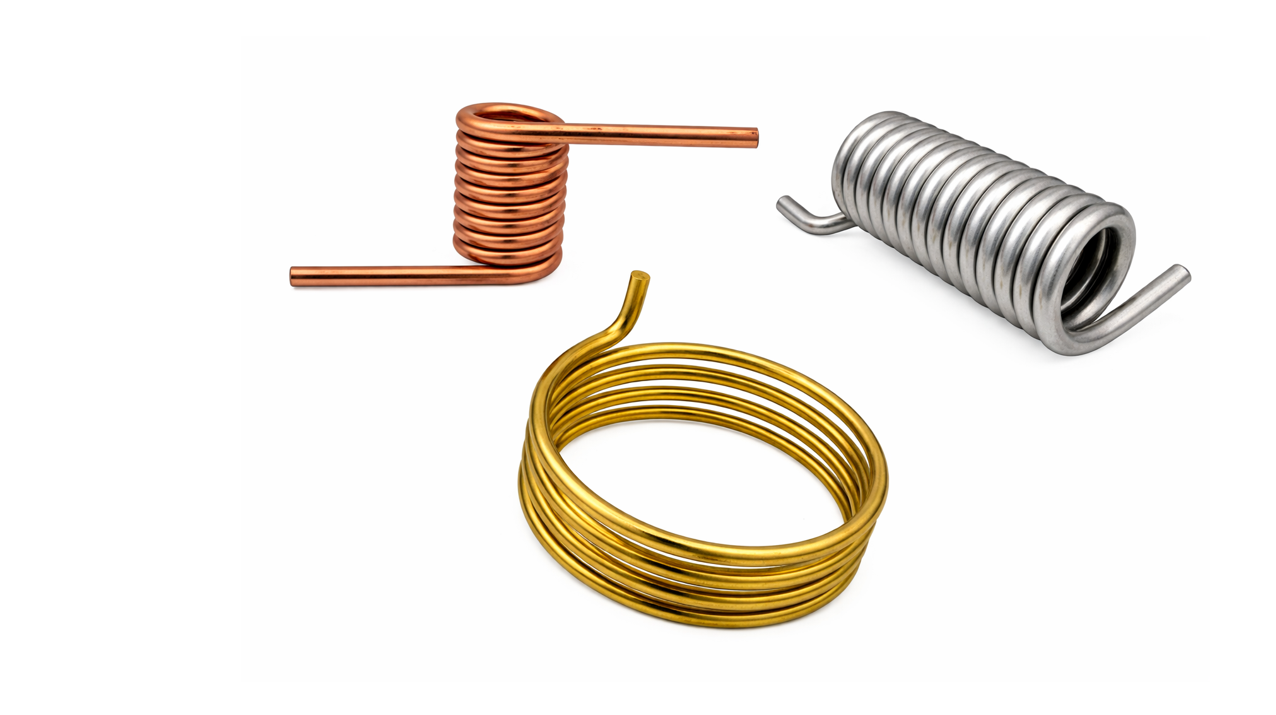
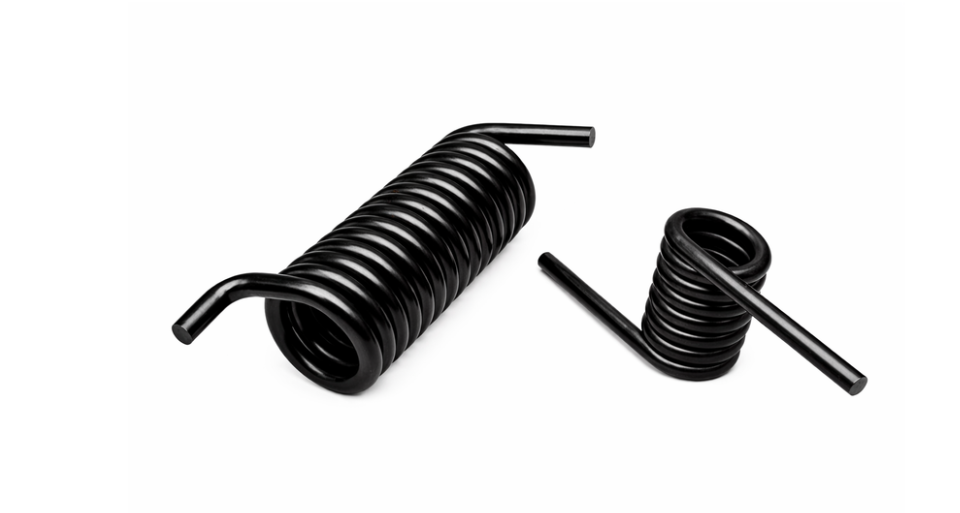
Ace Wire Spring & Form Co., Inc. manufactures custom torsion springs to customer specifications for OEMs, engineers, and industrial manufacturers. Torsion springs are helical springs designed to store and release rotational energy by resisting torque and angular deflection. Unlike standard catalog springs, custom torsion springs are manufactured around the customer’s drawing, sample, dimensions, material requirements, torque requirements, leg configuration, direction of wind, tolerances, finish requirements, and application needs.
Ace supports custom torsion spring projects from prototype and sample production through repeat production orders. Our team can provide design assistance, manufacturing feedback, and production suggestions based on decades of experience, while final design responsibility remains with the customer.
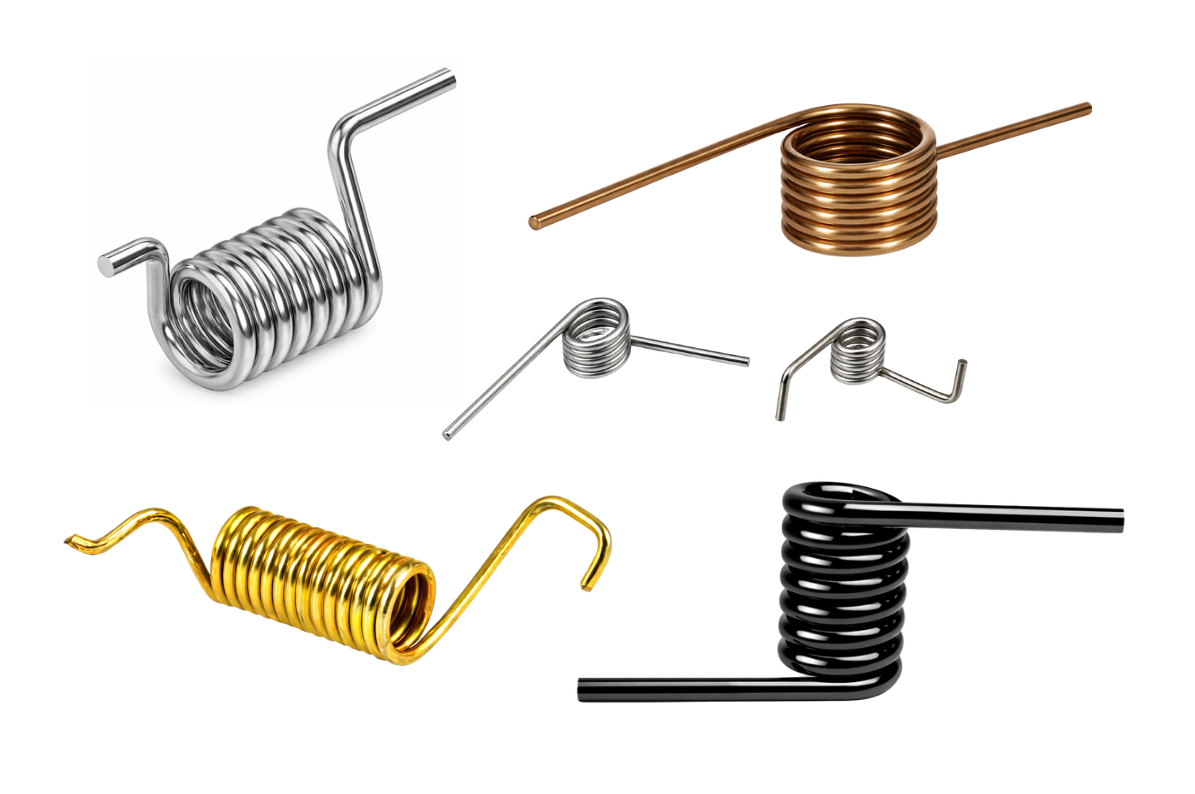
Torsion springs are used when a product or assembly requires controlled rotational force, torque resistance, return motion, counterbalance support, or angular movement control. They are commonly used in hinges, latches, doors, covers, ramps, liftgates, agricultural equipment, trailer systems, industrial equipment, medical devices, electrical equipment, firearms, consumer products, and OEM assemblies.
The performance of a torsion spring depends on the application requirements. Important factors may include inside diameter, outside diameter, body length, wire size, material, leg configuration, free angle, direction of wind, torque requirements, degrees of rotation, mounting conditions, operating environment, cycle life, and tolerance requirements.
A torsion spring should be evaluated around its mechanical function, available installation space, operating environment, manufacturing requirements, and expected service conditions.
| Design Factor | Why It Matters |
|---|---|
| Required torque | Defines the rotational force the spring must provide or resist |
| Degrees of rotation | Establishes how far the spring must deflect during operation |
| Direction of wind | Determines how the spring should be oriented and loaded |
| Inside diameter | Important for shafts, arbors, mounting, and diameter change during deflection |
| Outside diameter | Helps determine whether the spring fits within available assembly space |
| Body length | Influences fit and coil arrangement |
| Wire diameter | Affects spring geometry, torque capability, stress, and manufacturability |
| Number of coils | Influences angular deflection and spring behavior |
| Leg configuration | Determines how force is transferred between the spring and assembly |
| Free angle | Establishes the unloaded relationship between the spring legs |
| Mounting geometry | Influences leg position, force application, clearance, and spring movement |
| Material | Affects strength, fatigue behavior, corrosion resistance, temperature capability, and manufacturability |
| Operating environment | Moisture, chemicals, temperature, debris, and other exposure may affect material and finish selection |
| Cycle requirements | Repeated operation makes fatigue and stress important design considerations |
| Tolerances | Should reflect what is functionally required and practically manufacturable |
| Quality requirements | Inspection, certifications, documentation, and traceability may need to be identified before production |
| Production quantity | Can affect material planning, setup, prototype strategy, and manufacturing approach |
Providing this information early helps Ace evaluate manufacturability and prepare a more accurate custom torsion spring quote.
Ace provides torsion spring design assistance as part of qualified custom manufacturing opportunities. Customers may come to Ace with a complete drawing, a sample, a failed part, a photo, an incomplete print, or an application problem. Our team can review the available information and help identify what details may affect manufacturability, repeatability, torque performance, leg position, material selection, spring index, stress, tolerances, and production efficiency.
Torsion spring performance can be affected by available space, direction of wind, torque requirements, angular deflection, leg geometry, bend radius, body length, material choice, finish requirements, and environmental exposure. Discussing these details early can help reduce p
Torsion springs can be manufactured with a right-hand wind or left-hand wind.
Direction of wind matters because the spring should be configured so that the intended operating movement loads the spring correctly.
The required direction depends on:
When requesting a quote, provide the required direction of wind whenever it is known. A drawing, photo, sample, or assembly information can also help communicate the required orientation.
Direction of wind should be reviewed together with leg position, free angle, degrees of rotation, and mounting geometry.
The legs of a torsion spring transfer force between the spring body and the surrounding mechanism.
Depending on the application, torsion spring legs may be straight or formed into application-specific configurations.
Important leg considerations include:
Leg geometry should not be treated as an afterthought. A torsion spring may have the correct coil dimensions and material but still perform incorrectly if the legs do not interact properly with the assembly.
Sharp bends can also create localized stress, so bend geometry and manufacturability should be considered during design review.
Ace can support prototype torsion springs, sample production, and repeat production orders. Prototype and sample torsion springs help customers evaluate fit, torque performance, angular movement, leg position, assembly clearance, mounting conditions, and manufacturability before moving into larger production quantities.
For production orders, Ace supports customers that need consistent repeatability, domestic manufacturing, scheduled releases, quantity break pricing, and blanket order programs. This makes Ace a strong fit for customers that need custom torsion springs manufactured to specification over time, not one-time retail replacement parts.
Torsion spring performance depends on the interaction between the spring and the complete assembly.
A prototype can help identify concerns such as:
Prototype testing does not replace the customer’s engineering validation or application testing. It provides a manufacturing step that can help identify concerns before larger production quantities are approved.
There is no single material that is best for every torsion spring.
Material selection depends on the complete application, including:
Depending on the application, custom torsion springs may be manufactured from carbon spring steels, stainless steels, alloy steels, or specialty materials.
Material should be evaluated together with spring geometry and operating conditions rather than selected independently.
After determining the required torque, the designer should consider the available space for the torsion spring within the assembly.
Space requirements should initially be treated as approximate until wire size, coil geometry, number of coils, required rotation, and mounting conditions have been evaluated.
Important dimensional and functional considerations include:
If a torsion spring operates around a shaft or rod, sufficient clearance should be considered throughout the required range of movement.
Spring index—the relationship between coil diameter and wire diameter—can affect manufacturability, tolerances, stress, and spring performance. Very tight spring indexes may create manufacturing challenges and should be reviewed during design.
The number of active coils affects torsion spring deflection and performance. Very low coil counts may create stability, manufacturing, or testing challenges.
When a torsion spring operates around a shaft or arbor, the designer should account for changes in coil diameter during deflection so that the spring does not bind during operation.
Specify whether the spring is right-hand or left-hand wound. Direction of wind should correspond to the intended direction of loading and rotation.
Torsion spring legs are part of the active spring system. Leg length and the location where force is applied can influence overall deflection and spring behavior.
Torsion spring arms should use practical bend geometry. Sharp bends can create stress concentrations that may contribute to premature failure.
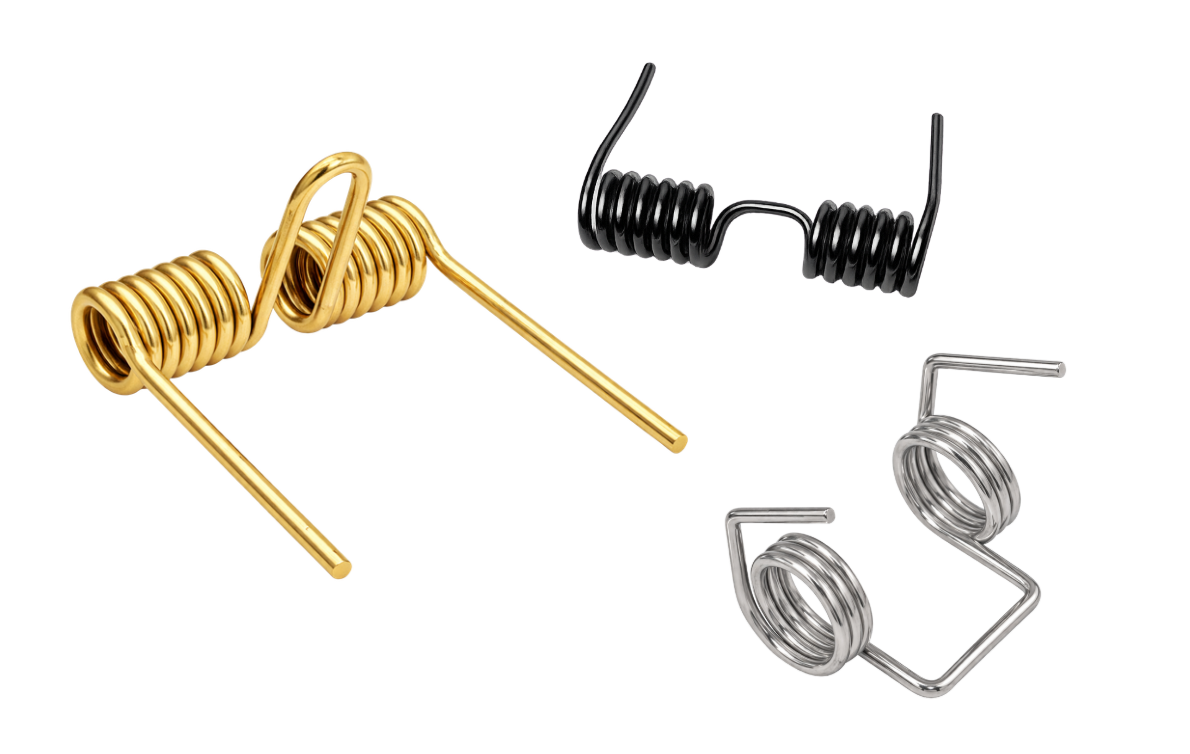
Double torsion springs typically combine right-hand and left-hand wound coil sections connected within a single configuration. Each coil section should be evaluated according to the requirements of the complete spring and assembly.
Coil spacing and body configuration should account for the required movement and manufacturing requirements. The spring should have adequate freedom to deflect through its intended operating range.
Ace is a strong fit for engineers, OEMs, purchasing teams, and industrial buyers that need custom torsion springs manufactured to specifications. Ace is especially well suited for projects involving drawings, samples, prototypes, repeat production, torque requirements, leg configurations, tight tolerance requirements, domestic manufacturing, quality documentation, secondary services, blanket order planning, or ITAR registered supplier needs.
Ace may not be the right fit for customers looking for standard catalog torsion springs, retail replacement springs, one-piece hobby orders, or immediate off-the-shelf inventory. Ace is a custom manufacturer, not a stock spring distributor.
To request a quote for a custom torsion spring, send the available drawing, sample, photo, dimensions, material requirements, torque requirements, leg configuration, direction of wind, tolerances, finish requirements, application details, quality requirements, quantities, and expected production needs. If the project is still early stage, Ace can review the available information and help identify what may be needed to quote, prototype, or manufacture the spring.
For more detailed guidance, visit the Request a Quote Tips page.
A torsion spring is a helical spring designed to resist rotational movement and develop torque when its legs are angularly deflected. Torsion springs can store rotational energy, return components toward position, resist movement, provide counterbalance, or control angular motion.
A torsion spring is primarily designed around torque and angular deflection, while a compression spring is primarily designed to resist axial compressive force. The correct spring type depends on how force and movement occur within the assembly.
Custom torsion springs are used in hinges, latches, doors, covers, ramps, liftgates, industrial machinery, agricultural equipment, electrical equipment, transportation equipment, medical equipment, consumer products, and OEM assemblies that require rotational force or controlled angular movement.
Important information can include required torque, degrees of rotation, direction of wind, inside or outside diameter, body length, wire diameter, material, leg configuration, free angle, mounting conditions, available space, finish, operating environment, cycles, tolerances, quality requirements, and production quantities.
Direction of wind determines how the torsion spring is oriented and loaded within the assembly. It should be considered together with the intended direction of rotation, leg position, mounting arrangement, and application geometry.
A double torsion spring uses two coil sections connected within one spring configuration. Double torsion designs may be used when an application benefits from two working coil sections or a particular mounting and loading arrangement.
Potential causes include excessive stress, excessive angular deflection, incorrect loading direction, fatigue, sharp bends, binding, misalignment, corrosion, material selection, mounting problems, insufficient clearance, and operating conditions that differ from the original design assumptions.
Yes. For qualified custom manufacturing opportunities, Ace can review failed or underperforming torsion springs, drawings, samples, photos, material requirements, mounting conditions, operating environment, and available performance information to help identify what is needed to quote, prototype, or manufacture a custom spring.
Yes. Ace can review physical samples, photos, dimensions, and available application information for qualified custom manufacturing opportunities. Providing torque requirements, rotation, material information, operating conditions, quantities, and other known specifications can improve the review.
Yes. Ace provides torsion spring design assistance and manufacturing feedback as part of qualified custom manufacturing opportunities. Review may include torque, rotation, wind direction, leg geometry, dimensions, material, mounting, tolerances, environment, and manufacturability. Final design responsibility remains with the customer.
Yes. Ace supports prototype torsion springs and sample production for qualified manufacturing projects. Prototypes can help customers evaluate fit, torque, angular movement, leg position, clearance, mounting, material behavior, and manufacturability before larger production quantities are approved.
Yes. Once the customer has evaluated and approved the design, a prototype or sample torsion spring can move toward repeat production. Ace supports qualified projects from prototype and sample production through larger manufacturing runs.
Yes. Ace manufactures custom torsion and double torsion spring configurations based on customer specifications and application requirements.
No. Ace Wire Spring manufactures custom torsion springs to customer specifications and does not stock standard catalog springs or retail replacement parts.
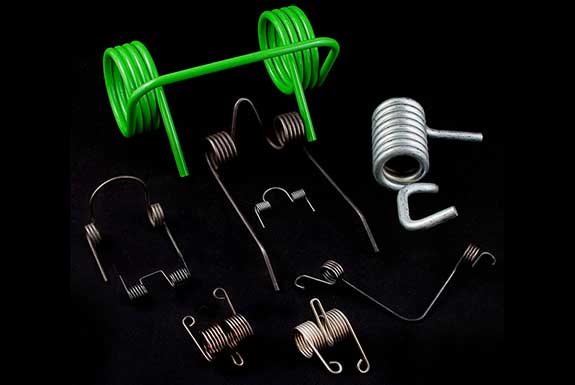
After determining the force of torque required a designer usually estimates a suitable space or size limitations. The space should be considered approximate until the wire size and number of coils have been determined. The wire size depends solely on the torque.
When ordering a torsion springs or double torsion springs spring remember to give the following information as completely as possible:
This video shows how Torsion Springs are manufactured.
For more information about torsion springs or to talk to one of our experts call 1-800-828-3353.
ACE specializes in custom precision springs and wire forms, offering a distinct advantage by utilizing the most advanced spring design software. ACE validates each existing and new design, notifying the customer with our recommendations.


"Where it’s always SPRINGTIME!"
Copyright © Ace WIre Spring & Form Company, Inc. All Rights Reserved. Pittsburgh Website Design by Higher Images.


