


We produce custom springs and wireforms. We do not stock standard parts.
We produce custom springs and wireforms. We do not stock standard parts.


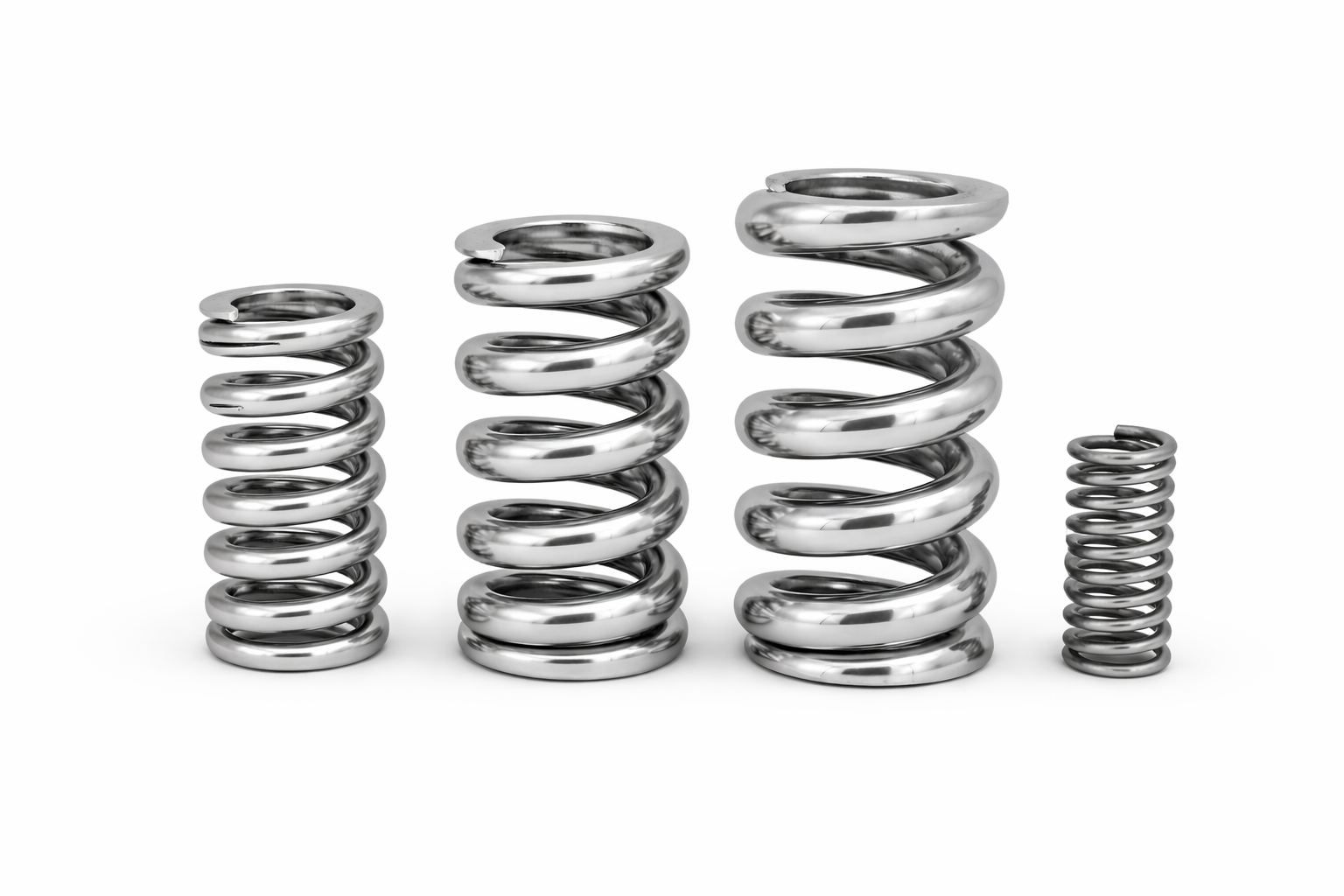
Stainless steel springs are widely used in applications where corrosion resistance, durability, and long term performance are critical. These springs are commonly found in environments exposed to moisture, chemicals, temperature variation, and outdoor conditions. While standard spring materials may degrade over time, stainless steel springs provide improved resistance to rust and oxidation, making them a preferred choice in demanding applications. Custom stainless steel springs allow engineers to match material properties, load requirements, and environmental conditions to ensure consistent performance.
Stainless steel springs are typically used in applications where exposure to corrosive elements is unavoidable. This includes marine environments, food processing equipment, medical devices, and outdoor mechanical systems. In these conditions, using standard carbon steel springs can lead to premature failure due to rust and material degradation. Stainless steel springs provide a more reliable solution by maintaining structural integrity and consistent force over time. They are also commonly used in applications requiring clean or sanitary materials.
Several stainless steel grades are used in spring manufacturing, each offering different performance characteristics. Type 302 stainless steel is one of the most common materials used for springs due to its balance of strength and corrosion resistance. Type 316 stainless steel provides enhanced corrosion resistance and is often used in marine and chemical environments. Other specialty stainless alloys may be used when higher temperature resistance or specific mechanical properties are required. Selecting the correct grade is essential to ensure long term reliability.
While stainless steel offers corrosion resistance, it does not always provide the same strength as high carbon or alloy steels. This means that spring design must account for differences in tensile strength, fatigue life, and load capacity. In some applications, a larger wire diameter or modified geometry may be required to achieve the desired performance. Understanding these tradeoffs is critical when selecting stainless steel springs for high load or high cycle applications.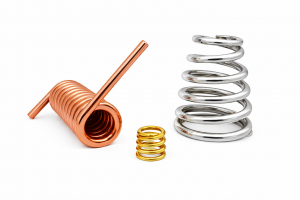
Custom stainless steel springs are manufactured to meet specific application requirements, including spring type, load, dimensions, and environmental exposure. Whether the application requires stainless steel compression springs, extension springs, torsion springs, or wire forms, each component must be produced with precise tolerances and consistent quality. Custom manufacturing ensures that the spring performs reliably within its intended system and reduces the risk of failure due to improper material or design.
Stainless steel springs are used across a wide range of industries including medical, food processing, marine, transportation, and industrial equipment. Common applications include valves, latches, hinges, clips, and control mechanisms. These springs are especially valuable in environments where corrosion resistance and cleanliness are required, or where long term exposure to moisture and chemicals is expected.
Ace Wire Spring has been manufacturing custom springs and wire forms in the United States since 1939. We produce stainless steel springs designed for durability, corrosion resistance, and consistent performance. Our team works closely with customers to provide design assistance and ensure each spring meets the specific requirements of the application. From prototype development to full production, we deliver reliable custom spring solutions built to exact specifications.


"Where it’s always SPRINGTIME!"
Copyright © Ace WIre Spring & Form Company, Inc. All Rights Reserved. Pittsburgh Website Design by Higher Images.


