


We produce custom springs and wireforms. We do not stock standard parts.
We produce custom springs and wireforms. We do not stock standard parts.


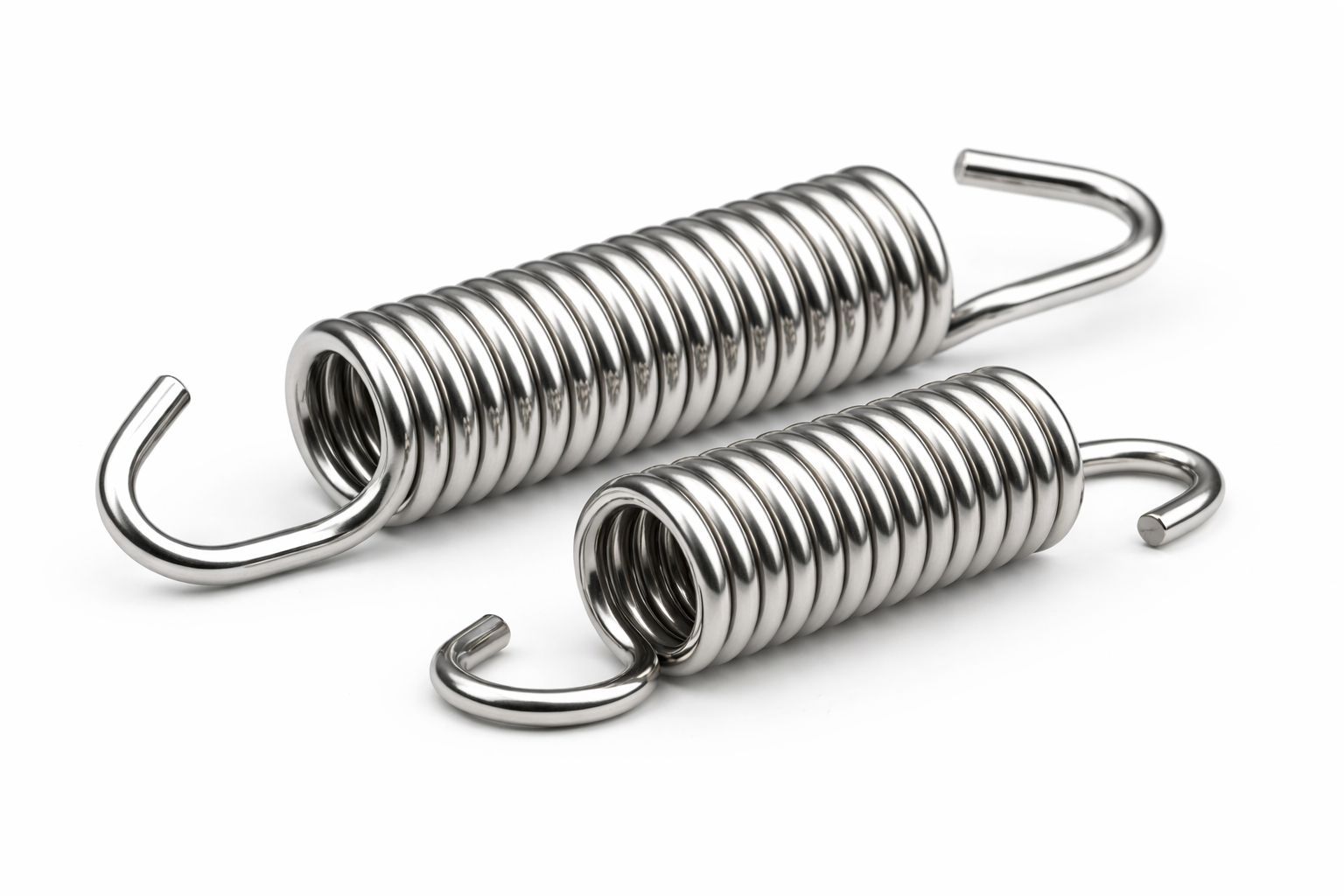
When comparing 302 vs 316 stainless steel springs, selecting the right material is critical for corrosion resistance, strength, and long term performance. Both materials are widely used in spring manufacturing, but they behave very differently depending on the environment and application. Understanding how these materials perform will help ensure the correct choice for reliability and durability.
302 stainless steel is one of the most commonly used materials for spring manufacturing. It provides a strong balance of tensile strength, fatigue resistance, and moderate corrosion resistance. Because of its mechanical properties, 302 stainless steel springs are often used in applications where strength and performance are more critical than extreme corrosion resistance.
316 stainless steel offers enhanced corrosion resistance due to the addition of molybdenum. This makes 316 stainless steel springs better suited for harsh environments, including marine applications, chemical exposure, and outdoor conditions where moisture is present.
302 stainless steel springs are mechanical components manufactured from 302 stainless steel wire, a material known for its strength, flexibility, and moderate corrosion resistance. These springs are commonly used in applications where reliable performance and good fatigue resistance are required without exposure to highly corrosive environments.
Because of its higher tensile strength compared to other stainless grades, 302 stainless steel is widely used for compression springs, torsion springs, extension springs, and wire forms. It performs well in indoor environments, general industrial applications, and equipment where moisture and chemical exposure are limited. For many standard applications, 302 stainless steel springs provide an effective balance between strength, durability, and cost.
316 stainless steel springs are manufactured using a corrosion resistant alloy that contains molybdenum, which improves performance in harsh environments. This material is specifically designed to resist damage from moisture, salt, and chemical exposure, making it ideal for demanding applications.
316 stainless steel springs are commonly used in marine environments, food processing equipment, medical devices, and outdoor applications where corrosion is a major concern. While 316 offers superior corrosion resistance compared to 302, it typically has lower tensile strength. As a result, spring designs using 316 stainless steel may require adjustments to achieve the required load and performance characteristics.
Choosing the correct stainless steel spring material is essential when designing for performance and longevity. Engineers often evaluate corrosion resistant springs based on environmental exposure, load requirements, and expected cycle life. A proper spring material comparison between 302 stainless steel springs and 316 stainless steel springs helps determine the best option for each application.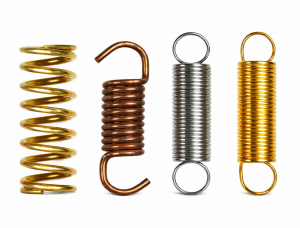
The primary difference between 302 vs 316 stainless steel springs is corrosion resistance. 302 stainless steel provides good resistance to oxidation and mild environmental exposure, but it may not perform well in highly corrosive environments. 316 stainless steel offers significantly improved resistance to chlorides, saltwater, and chemical exposure.
For applications exposed to outdoor conditions, moisture, or corrosive materials, 316 stainless steel springs are typically the preferred choice. For controlled environments where corrosion is not a major concern, 302 stainless steel springs often provide a more cost effective solution.
302 stainless steel generally offers higher tensile strength and better fatigue resistance than 316. This makes it a strong candidate for applications requiring higher load capacity or repeated cycling. In contrast, 316 stainless steel may require design adjustments such as increased wire diameter or modified geometry to achieve similar performance levels.
When comparing 302 vs 316 stainless steel springs, it is important to evaluate both environmental exposure and mechanical requirements. Selecting the wrong material can lead to premature failure from corrosion or insufficient strength.
Cost is another important factor when evaluating 302 vs 316 stainless steel springs. 302 stainless steel is typically more cost effective and widely available, making it a practical choice for many applications. 316 stainless steel is more expensive due to its enhanced corrosion resistance and alloy composition.
While 316 may have a higher upfront cost, it can reduce long term maintenance and replacement costs in corrosive environments. The decision should be based on total lifecycle performance rather than initial material cost alone.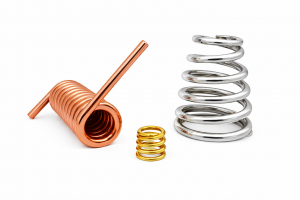
The decision between 302 vs 316 stainless steel springs depends on the specific requirements of the application. If corrosion resistance is the primary concern, especially in marine or chemical environments, 316 stainless steel is often the better choice. If strength, fatigue life, and cost are more important, 302 stainless steel may be the preferred option.
Working with a custom spring manufacturer ensures that the correct material and design are selected based on real world operating conditions. Proper evaluation of load requirements, environment, and expected cycle life leads to better performance and longer service life.
These materials are commonly used across multiple spring types including stainless steel compression springs, stainless steel torsion springs, and custom formed component
Ace Wire Spring has been manufacturing custom 302 vs 316 stainless steel springs and wire forms in the United States since 1939. We produce stainless steel springs using both 302 and 316 materials to meet specific application requirements. Our team provides design assistance to help determine the best material and configuration for your needs. From prototype development to full production, we deliver reliable spring solutions built to exact specifications.


"Where it’s always SPRINGTIME!"
Copyright © Ace WIre Spring & Form Company, Inc. All Rights Reserved. Pittsburgh Website Design by Higher Images.


