


We produce custom springs and wireforms. We do not stock standard parts.
We produce custom springs and wireforms. We do not stock standard parts.


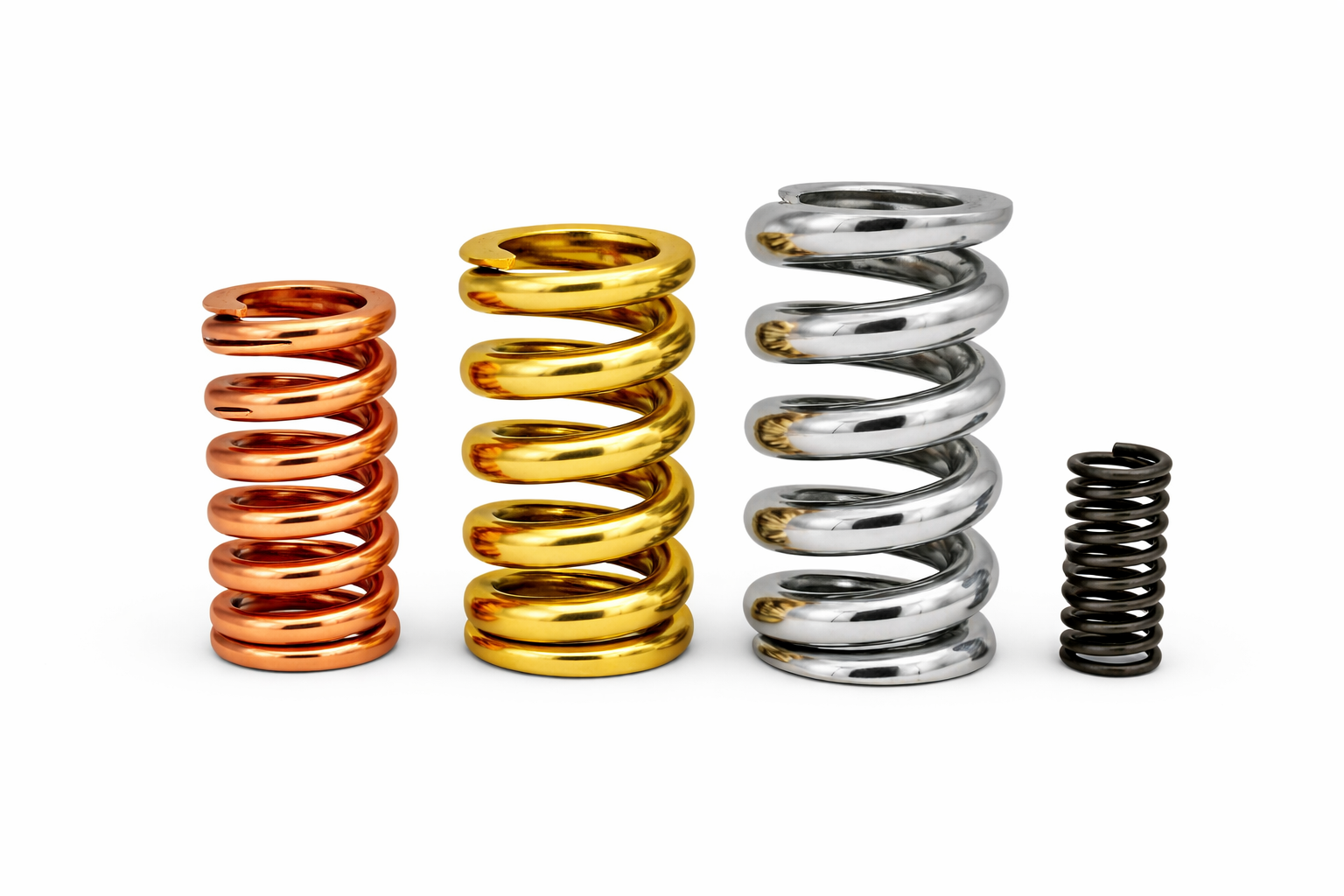
In electrical applications, material selection is not a minor detail. It directly affects how a spring or wire form performs, how long it lasts, and how safely it functions in service. When a component is expected to deliver consistent force, maintain reliability through repeated cycles, or operate in challenging conditions, the material behind that part matters from the start.
If the material is not suited to the job, problems can show up early or develop gradually over time. In either case, the result is the same: reduced performance, shorter service life, and more risk for the overall system.
These risks become even more important in high-voltage and mission-critical environments. In those settings, components are often expected to perform predictably under stress, over long service periods, and with little margin for error. A spring that weakens too soon, corrodes in the field, or behaves inconsistently under changing temperatures can create larger reliability concerns for the equipment it supports.
That is why material selection should be treated as a core part of the design process rather than a final specification choice.

Not every electrical application requires the same material characteristics. The right choice depends on where the part will be used, how often it will cycle, the forces it must withstand, and the environment it will face. Still, several key properties often matter most in power generation and electrical applications.
Strength and Fatigue Resistance
Many springs used in electrical equipment are expected to cycle repeatedly over time. Others may remain under load for extended periods and still need to maintain dependable performance. In either case, strength alone is not enough. The material also needs to resist fatigue so the part can continue performing through repeated stress without cracking, weakening, or failing earlier than expected.
This is especially important for components involved in switching, contact pressure, control mechanisms, or repeated actuation. If a spring loses force or fails due to cycle fatigue, the entire assembly may no longer function as intended.
Electrical and power applications are not always housed in clean, climate-controlled settings. Some are installed outdoors. Others are exposed to humidity, chemicals, temperature changes, or airborne contaminants. In these environments, corrosion resistance becomes a major part of long-term reliability.
For outdoor substations and other exposed environments, corrosion resistance often becomes one of the first properties to evaluate rather than an afterthought.
Heat can affect spring performance in several ways. Some electrical systems generate heat during normal operation, while others experience broad temperature swings depending on location or season. Materials that are not suited to those conditions may lose force, relax over time, or behave less consistently than expected.
Thermal stability matters because it helps the spring maintain reliable performance despite changing conditions. When a component must deliver a consistent response, even small shifts caused by temperature can become significant.
In some applications, electrical considerations are central to material selection. In others, the spring’s job is mostly mechanical, but the surrounding electrical environment still matters. Depending on the design, a material may need to support conductivity, resist it, or avoid interfering with overall system performance.
This is one reason material selection in electrical applications cannot be based solely on strength. A material that performs well mechanically may not be the best choice if the electrical demands of the application point in another direction.
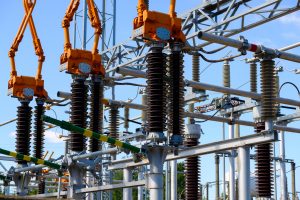
A range of materials may be used in electrical and power-related spring applications. The best option depends on the specific balance of performance requirements, environmental exposure, and cost considerations.
Carbon steels are often selected when strength and value are both important. In controlled indoor environments or applications with limited corrosion exposure, they can offer a practical balance of performance and cost.
That said, carbon steels are not always the right fit for harsher conditions. If moisture, corrosive elements, or outdoor exposure are part of the equation, another material may be a better long-term choice.
Stainless steels are commonly used when corrosion resistance is a primary consideration. They are often a good fit for environments where moisture, changing weather, or contamination could affect part longevity.
While stainless steels may cost more than some carbon steel options, they can offer better lifecycle value when environmental durability is a priority.
Some applications call for more specialized materials because the operating demands go beyond what standard spring materials can comfortably handle. This might involve extreme temperatures, aggressive environments, demanding fatigue requirements, or tighter performance expectations.
These materials are not always necessary, but they can be the right answer when standard choices would leave too little performance margin.
A lower-cost material may perform well in a controlled setting with moderate demands. A more corrosion-resistant or thermally stable option may make better sense for outdoor power equipment or parts that need to hold up over a longer lifecycle. The goal is not to choose the most advanced material by default. It is to choose the one that fits the job.
Choosing the right material is easier when it is approached as part of the full engineering process. At Ace Wire Spring & Form Co., we work with customers to match material selection to the application’s actual needs, not just the part’s basic dimensions.
This kind of engineering support helps customers avoid two common problems.
The first is over-engineering. A material may exceed the application’s needs, but at a cost that does not add meaningful value.
The second is under-engineering. A lower-cost material might appear to work initially, but lead to premature wear, inconsistent force, corrosion issues, or early replacement.
Prototyping and testing can also help validate material decisions before full production begins. That step gives manufacturers and customers a chance to confirm that the part performs as expected in real-world conditions, rather than relying only on assumptions during design.
Material selection directly impacts spring performance in electrical applications. It influences mechanical reliability, environmental resistance, lifecycle value, and, in some cases, electrical behavior. When the application involves high-voltage equipment, repeated cycling, or critical operating conditions, those decisions become even more important.
A well-matched material helps support consistent performance and long-term reliability. A poor match can lead to avoidable failures, added maintenance, and a shorter usable life for the component.


"Where it’s always SPRINGTIME!"
Copyright © Ace WIre Spring & Form Company, Inc. All Rights Reserved. Pittsburgh Website Design by Higher Images.


