


We produce custom springs and wireforms. We do not stock standard parts.
We produce custom springs and wireforms. We do not stock standard parts.


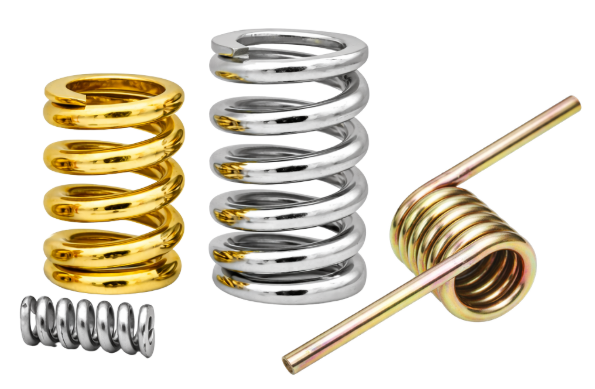
Compression springs are designed to handle repeated loads, store energy, and maintain reliable performance across demanding industrial applications. However, compression spring failure can occur when material selection, operating conditions, spring design, or manufacturing factors are not properly aligned with the application. Engineers, procurement specialists, and sourcing teams often investigate why compression springs fail when equipment downtime, inconsistent performance, or premature spring replacement begins affecting production.
Understanding the most common causes of compression spring failure can help reduce downtime, improve cycle life, and support better long term manufacturing performance. From spring fatigue and corrosion to overloading and material issues, several factors directly influence compression spring reliability.
Compression spring failure is typically caused by excessive stress, poor material selection, corrosion, improper operating conditions, or repeated cycling beyond the spring’s intended performance range. In many industrial applications, multiple failure factors may occur simultaneously, accelerating wear and reducing spring life expectancy.
Some of the most common compression spring failure causes include:
Many failed compression springs show warning signs before complete failure occurs. Reduced force output, deformation, cracking, uneven loading, or loss of free length may indicate that the spring is approaching the end of its usable life.
Compression spring fatigue is one of the most common causes of spring failure in industrial applications. Fatigue occurs when a spring experiences repeated stress cycles over time, eventually leading to cracking or complete fracture of the material.
High cycle applications place significant stress on compression springs, especially when springs operate near their maximum stress limits for extended periods. Springs used in automation systems, industrial machinery, valves, transportation equipment, and mechanical assemblies are especially vulnerable to fatigue related failures.
Several factors contribute to compression spring fatigue failure including:
Spring fatigue life can often be improved through proper material selection, optimized stress calculations, controlled manufacturing processes, and shot peening when appropriate for the application.
Compression springs are designed to operate within a specific deflection range. When a spring is compressed beyond its intended operating limits, the coils may reach solid height, creating excessive stress concentrations within the material.
Repeated over compression can permanently deform the spring and significantly reduce cycle life. In severe cases, overloading may cause cracking, coil damage, or sudden spring failure.
Engineers should evaluate:
Applications involving impact loading or inconsistent force requirements may require additional spring design considerations to prevent premature failure.
Material selection plays a major role in compression spring performance and reliability. Different spring materials provide different levels of strength, corrosion resistance, fatigue life, and temperature resistance.
Common compression spring materials include:
Choosing the wrong spring material for an operating environment can dramatically shorten spring life. For example, music wire compression springs may offer high strength and cost efficiency, but corrosive environments may require stainless steel spring materials for improved corrosion resistance.
Temperature exposure is another major factor. Some spring materials lose strength or experience relaxation when exposed to elevated temperatures for extended periods.
Engineers evaluating compression spring material selection should consider:
Corrosion is another leading cause of compression spring failure, especially in outdoor, marine, washdown, chemical processing, and high humidity environments.
Corrosion weakens the spring surface and creates stress concentration points that accelerate fatigue cracking. Even minor surface corrosion can significantly reduce spring cycle life in demanding applications.
Common environmental conditions that contribute to spring corrosion include:
Protective coatings and corrosion resistant spring materials may help extend compression spring performance in harsh environments. Stainless steel compression springs are commonly selected when corrosion resistance is a major concern.
Improper spring installation can create uneven stress distribution during operation. Compression springs should operate in a controlled and properly aligned environment whenever possible.
Misalignment may cause:
Applications with limited guidance or inconsistent loading conditions may require additional engineering evaluation to reduce unnecessary stress on the spring.
Proper installation practices and dimensional consistency help support reliable long term spring operation.
Manufacturing quality directly affects compression spring reliability and consistency. Tight tolerances, material consistency, heat treatment control, and proper forming processes all influence final spring performance.
Manufacturing variables that may affect spring life include:
For medium to high production applications, maintaining repeatability between production runs becomes especially important. Consistent manufacturing processes help reduce variation and support long term spring performance across larger quantities.
Engineers and procurement teams sourcing custom compression springs often evaluate suppliers based on:
Reducing compression spring failure typically begins during the early stages of application evaluation and spring selection. Engineers often improve spring performance by reviewing operating conditions, stress levels, material requirements, and manufacturing considerations before production begins.
Several strategies may help improve compression spring reliability:
In many applications, compression spring performance depends on balancing cycle life, environmental resistance, manufacturability, and cost requirements.
Choosing the right compression spring supplier involves more than simply comparing pricing. Manufacturing experience, process consistency, material knowledge, and production capabilities all affect long term spring performance.
Engineers and sourcing teams often work closely with spring manufacturers to review:
Custom compression spring manufacturing may require prototype support, ongoing production consistency, and process repeatability depending on the application.
Compression spring failure can result from fatigue, overloading, corrosion, material issues, improper installation, or inconsistent operating conditions. Understanding why compression springs fail helps engineers and procurement teams make better sourcing and design decisions for long term performance and reliability.
Material selection, manufacturing consistency, operating conditions, and application requirements all play important roles in compression spring life expectancy. For industrial applications requiring reliable performance across medium to high production volumes, evaluating these factors early can help reduce downtime and improve overall equipment performance. Contact our team today to request a free quotation.


"Where it’s always SPRINGTIME!"
Copyright © Ace WIre Spring & Form Company, Inc. All Rights Reserved. Pittsburgh Website Design by Higher Images.


