


We produce custom springs and wireforms. We do not stock standard parts.
We produce custom springs and wireforms. We do not stock standard parts.


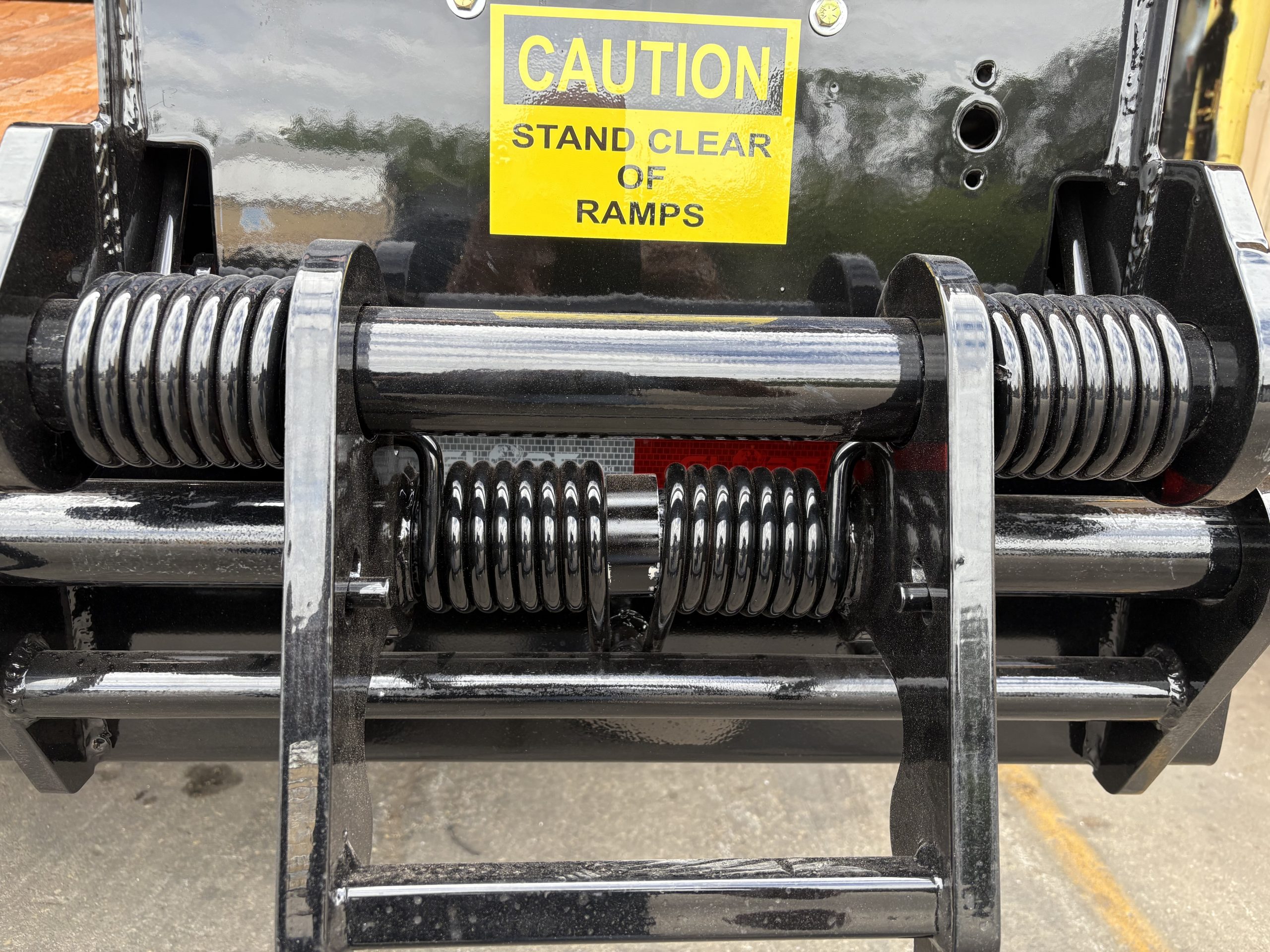
Trailer ramp assist springs are critical safety and performance components used on utility trailers, landscape trailers, equipment haulers, and commercial transport systems. Their primary role is to reduce the physical effort required to raise and lower heavy trailer ramps while controlling motion to prevent sudden drops that can cause injury, damage, or premature wear. For OEMs, trailer manufacturers, and fleet operators, the correct ramp assist spring selection directly impacts operator safety, long-term durability, warranty exposure, and overall product quality. Understanding how these springs function, how they are designed, which materials perform best, and why failures occur allows buyers to make informed decisions and avoid costly mistakes.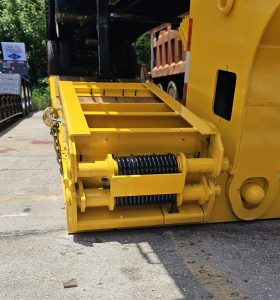
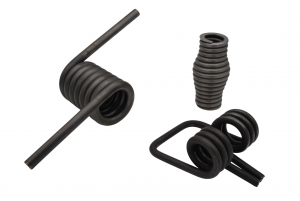
A trailer ramp assist spring is a mechanical spring system, most commonly a torsion spring, designed to counterbalance the weight of a trailer ramp or gate. As the ramp moves through its range of motion, the spring stores and releases energy to offset load, reduce lifting force, and provide controlled movement. In many real-world applications, trailer ramps can weigh hundreds of pounds, and without a properly designed assist spring, operators are exposed to repetitive strain while hinges, cables, and mounting points experience accelerated wear. A correctly engineered ramp assist spring improves usability, safety, and equipment longevity.
Torsion springs are the most widely used solution for trailer ramp assist applications due to their ability to generate high torque in a compact footprint while delivering smooth, controlled motion. They are typically mounted on a shaft near the ramp hinge and are well suited for high-cycle, heavy-duty use. Extension springs are sometimes used in cable-and-pulley systems where packaging constraints or cost considerations apply, though they are generally more exposed to environmental conditions and sudden failure if overloaded. Compression springs are less common for direct ramp assistance but may appear in secondary support or damping systems where space and geometry allow. In most OEM trailer designs, torsion springs provide the best balance of safety, performance, and service life.
Proper ramp assist spring design goes far beyond selecting a spring based on ramp weight alone. The effective load on the spring depends on ramp length, hinge location, center of gravity, and angle of travel, all of which influence required torque or force. The spring must be sized to provide enough assistance to reduce operator effort without over-assisting to the point that the ramp snaps open uncontrollably. Cycle life is another critical factor, particularly for commercial trailers that may see thousands of opening and closing cycles per year. Springs designed only for static load often fail prematurely when fatigue is not properly accounted for. Environmental exposure also plays a major role, as trailer springs are routinely subjected to moisture, road salt, debris, and temperature extremes. Finally, mounting geometry and space constraints dictate shaft size, leg configuration, and overall spring envelope, which is why custom springs consistently outperform off-the-shelf options in real trailer applications.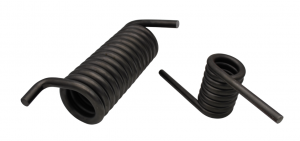
Material selection has a direct impact on fatigue life, corrosion resistance, and long-term performance. Music wire offers excellent tensile strength and fatigue resistance and is commonly used in controlled or dry environments, though it requires protective coatings when exposed to moisture. Oil-tempered wire is widely used in heavy-duty trailer applications because of its toughness and ability to handle shock loading, making it a reliable choice for outdoor equipment. Chrome silicon is often selected for high-cycle or high-load trailer ramps due to its superior fatigue performance under dynamic stress. Stainless steel alloys such as 302 or 17-7PH are preferred where corrosion resistance is the primary concern, particularly in coastal or chemical-exposed environments, though they may require larger spring sizes to achieve equivalent torque. Selecting the correct material ensures consistent ramp performance and reduces long-term maintenance costs.
One of the most common failure modes in trailer ramp assist springs is fatigue cracking caused by undersized designs or inaccurate load assumptions. Springs that operate too close to their material limits eventually fracture after repeated cycling. Corrosion-induced failure is another frequent issue, especially when materials or finishes are not suited for outdoor exposure, leading to pitting, reduced wire cross-section, and sudden breakage. Some springs gradually lose torque or take a permanent set when they are operated beyond their intended stress range, resulting in ramps that become heavier over time. Improper installation and misalignment also contribute to premature failures by introducing uneven stress, side loading, or interference with surrounding components. These issues are best prevented by designing springs specifically for the application’s geometry, environment, and usage profile rather than forcing a standard spring into service.
While stock springs may appear attractive due to lower upfront cost, they often require compromises in torque, fit, or cycle life. Stock options rarely match the exact geometry and loading conditions of a specific trailer design, leading to inconsistent performance and reduced service life. Custom trailer ramp assist springs are engineered to match the ramp’s weight, motion, and mounting constraints, resulting in smoother operation, improved safety, and fewer warranty claims. For OEMs and high-volume trailer manufacturers, custom springs typically deliver lower total cost of ownership and more predictable field performance.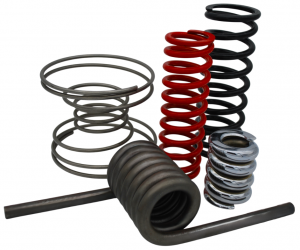
Partnering with an experienced custom spring manufacturer allows OEMs to align spring performance with real-world usage rather than theoretical assumptions. Manufacturers with deep application knowledge can assist by reviewing load data, cycle requirements, environmental exposure, and packaging constraints to recommend spring solutions based on proven manufacturing experience. This approach supports reliable performance from prototype through full production while maintaining tight tolerances and consistent quality. Domestic manufacturing further improves responsiveness, quality control, and supply chain stability for long-term programs.
Providing accurate application information helps ensure proper spring selection and fast, accurate quoting. Useful details include ramp weight and dimensions, spring type, expected cycle life, environmental exposure, and annual quantities. Even when full design data is not available, partial information or physical samples can significantly streamline the quoting process and lead to better-performing solutions.
Trailer ramp assist springs are safety-critical components that require careful design, appropriate material selection, and reliable manufacturing to perform consistently over time. By understanding how these springs work and why failures occur, OEMs and trailer manufacturers can reduce downtime, improve operator safety, and lower long-term costs. Investing in properly engineered ramp assist springs and working with an experienced custom manufacturer helps ensure dependable performance throughout the life of the trailer.


"Where it’s always SPRINGTIME!"
Copyright © Ace WIre Spring & Form Company, Inc. All Rights Reserved. Pittsburgh Website Design by Higher Images.


