


We produce custom springs and wireforms. We do not stock standard parts.
We produce custom springs and wireforms. We do not stock standard parts.


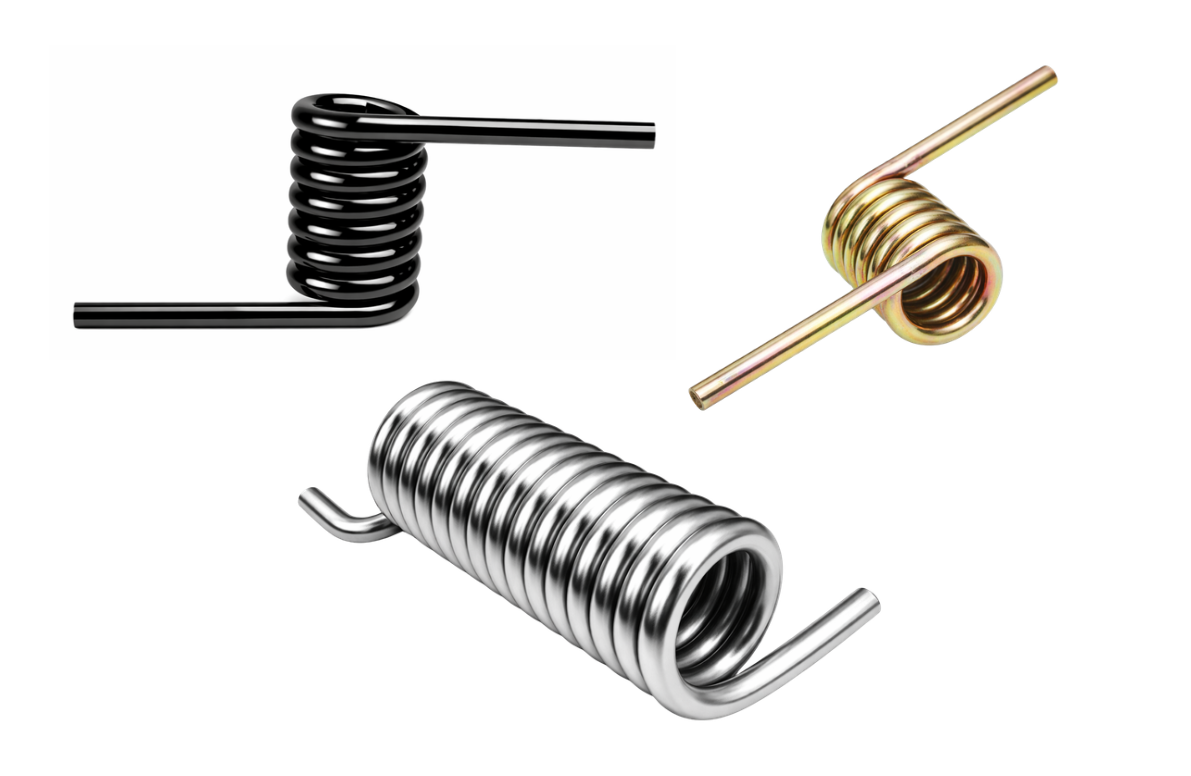
Trailer ramp springs are critical components that reduce the force required to raise and lower trailer ramps. These springs are commonly used on utility trailers, equipment trailers, and enclosed trailers to improve safety and ease of operation. By offsetting the weight of the ramp, trailer ramp assist springs help operators control movement, reduce strain, and prevent sudden drops during use. Proper spring selection is essential to ensure reliable performance and long term durability.
Most trailer ramp assist systems use torsion springs mounted along a shaft at the hinge point of the ramp. As the ramp is lowered, the torsion spring stores rotational energy. When the ramp is raised, that stored energy is released to assist in lifting the ramp. The effectiveness of a ramp assist spring depends on matching the torque output of the spring to the weight and geometry of the ramp. If the spring is undersized, the ramp remains difficult to lift. If oversized, the ramp may lift too aggressively and create safety concerns.
Selecting the correct trailer ramp assist spring requires careful consideration of several factors. Ramp weight is the primary variable, but hinge location, ramp length, and angle of operation also influence required torque. The number of active coils, wire diameter, and coil diameter all affect spring performance. Leg configuration must be designed to properly transfer load into the trailer frame and ramp structure. Consistent spring rate and controlled deflection are necessary to ensure smooth and predictable ramp movement.
Trailer ramp assist springs are exposed to outdoor environments that include moisture, dirt, temperature changes, and repeated cycling. Material selection plays a major role in performance and longevity. Carbon steel is commonly used for strength and cost efficiency, while stainless steel provides improved corrosion resistance in harsh environments. For heavy duty applications, higher strength alloys may be required to handle increased loads and cycle demands. Proper material selection helps prevent premature wear, loss of torque, and failure over time.
Improperly designed or worn ramp assist springs can lead to several performance issues. Springs that are too weak will not provide sufficient lift assistance, increasing operator effort. Springs that are too strong can cause the ramp to lift unexpectedly or become difficult to control. Over time, repeated cycling can lead to fatigue, reducing spring effectiveness. Misalignment or poor installation can also cause uneven loading and accelerated wear. Replacing or redesigning the spring with correct specifications resolves most of these issues.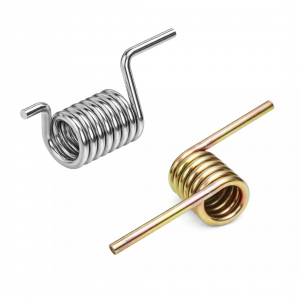
Standard ramp assist springs may work for general applications, but many trailer designs require custom solutions. Variations in ramp size, material, and hinge configuration often make off the shelf springs a poor fit. Custom trailer ramp assist springs are manufactured to match exact load requirements, geometry, and mounting conditions. This ensures proper balance, improved safety, and consistent long term performance.
Ace Wire Spring has been manufacturing custom springs and wire forms in the United States since 1939. We produce torsion springs for trailer ramp assist systems that are built to meet specific load and performance requirements. Our team provides design assistance to help determine the correct spring configuration for your application. Whether you are developing a new trailer design or replacing an existing ramp spring, we deliver reliable solutions built to your exact specifications.


"Where it’s always SPRINGTIME!"
Copyright © Ace WIre Spring & Form Company, Inc. All Rights Reserved. Pittsburgh Website Design by Higher Images.


