


We produce custom springs and wireforms. We do not stock standard parts.
We produce custom springs and wireforms. We do not stock standard parts.


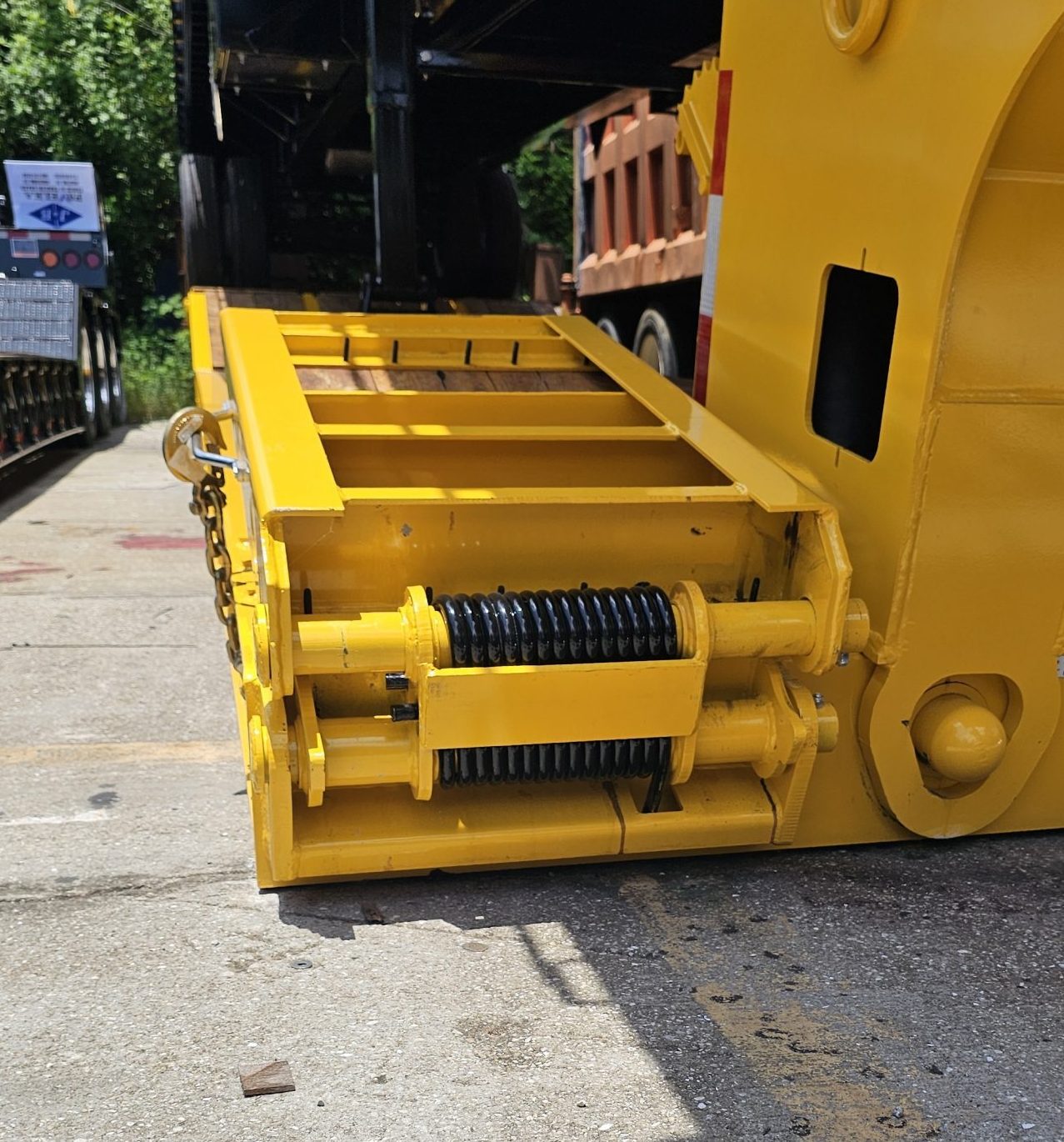
Springs are one of the most important mechanical components in a trailer build yet they are often overlooked until a problem occurs. From load support and ride control to lift assist and safety mechanisms springs are responsible for motion control energy storage and reliability across nearly every trailer system. Whether the application involves utility trailers equipment trailers enclosed cargo trailers or specialty OEM builds properly specified springs are essential to performance safety and longevity. Understanding where springs are used on a trailer and why custom trailer springs are often required helps manufacturers improve durability reduce maintenance and meet demanding performance requirements.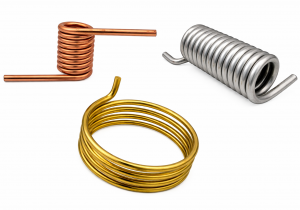
Trailers operate in harsh real world environments that include heavy loads vibration shock exposure to moisture and wide temperature swings. Springs help manage these forces by absorbing energy controlling movement and maintaining consistent operation. In a trailer build springs are used to support weight assist movement return components to position and protect equipment from damage. Without properly selected springs trailers would experience excessive wear unsafe operation and poor user experience.
One of the most visible and critical spring applications on a trailer is the suspension system. Trailer suspension springs support the load distribute weight and absorb road shock. Common suspension spring types include leaf springs torsion springs and coil springs depending on trailer design and load requirements. While many trailers use standardized suspension assemblies OEM manufacturers often require custom spring characteristics such as specific load rates travel limits or material properties to meet performance targets. Custom suspension springs help improve ride quality reduce stress on the frame and extend component life.
Ramp assist springs are widely used on utility trailers equipment trailers and enclosed trailers to reduce the force required to raise and lower heavy ramps and doors. These systems commonly use torsion springs extension springs or a combination of spring types to counterbalance the weight of the ramp. Properly engineered ramp assist springs improve operator safety reduce strain and increase ease of use. Because ramp size weight and geometry vary significantly custom ramp assist springs are often necessary to achieve the correct balance and cycle life.
Torsion springs are used throughout trailer builds where rotational force is required. Common applications include ramp assist systems latching mechanisms hinge assemblies and folding components. Torsion springs store energy when twisted and release it to return components to their original position. Trailer torsion springs must be designed to handle repeated cycling corrosion exposure and consistent torque output. Custom torsion springs allow manufacturers to fine tune leg orientation torque values and material selection for reliable long term performance.
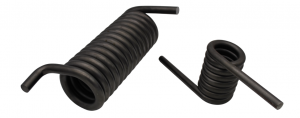
Compression springs are found in many trailer components including brake systems couplers locking pins suspension aids and vibration dampening assemblies. These springs resist compressive forces and return to their original length when the load is removed. In trailer builds compression springs often operate under high loads and frequent cycling making material quality and manufacturing precision critical. Custom compression springs are commonly required to meet specific space constraints load requirements and environmental conditions.
Extension springs are used where pulling force and controlled return motion are required. Common trailer applications include ramp assist mechanisms safety cables brake systems and tensioning devices. These springs operate under constant tension and require secure end configurations to ensure safe operation. Custom extension springs allow for precise control of initial tension spring rate and end style which is essential for trailer applications that demand reliability and safety.
Beyond suspension and ramp systems springs are used throughout trailer builds in smaller but equally important applications. These include latch return springs safety lock mechanisms vibration control assemblies electrical enclosures and access panels. While these components may appear minor failure can lead to downtime safety concerns or regulatory issues. Custom springs help ensure consistent operation even in compact or high stress environments.
Many trailer manufacturers discover that off the shelf springs do not meet their performance or durability requirements. Custom trailer springs are engineered to match exact load travel cycle life and environmental conditions. Benefits of custom springs include improved reliability longer service life reduced maintenance and better end user experience. Custom manufacturing also allows for material selection based on corrosion resistance fatigue life and operating temperature.
Successful trailer spring performance begins with proper application review. Working with an experienced custom spring manufacturer allows trailer builders to receive design assistance based on real world manufacturing and application experience. This process may include reviewing drawings physical samples load requirements and operating conditions. While final design responsibility remains with the customer experienced spring manufacturers provide valuable insight that helps optimize performance and manufacturability.
Trailer springs are commonly manufactured from high quality carbon steel stainless steel or alloy materials depending on application requirements. Protective finishes such as zinc plating powder coating or specialized corrosion resistant coatings are often applied to extend service life in outdoor environments. Selecting the correct material and finish is essential for trailers exposed to road salt moisture and extreme weather conditions.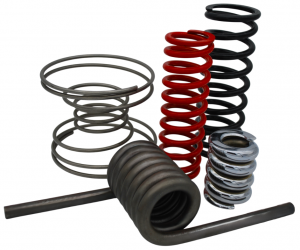
Prototype springs and testing play a critical role in trailer development. Building and testing prototype springs allows manufacturers to validate performance before full production. This step helps identify potential issues early and ensures the spring performs as expected under real operating conditions. Prototypes are especially important for ramp assist systems suspension components and safety critical assemblies.
Domestic spring manufacturing provides advantages for trailer OEMs including shorter lead times consistent quality and responsive support. Made in USA trailer springs are produced under controlled manufacturing processes with strict quality standards. Domestic suppliers also offer easier communication faster revisions and dependable long term supply chain stability.
Selecting a spring manufacturer with experience in trailer applications is essential. Look for a supplier with proven expertise in custom spring manufacturing quality certifications and the ability to support both prototypes and production volumes. A reliable spring partner understands the demands of trailer environments and works closely with customers to support long term success.
Springs play a vital role in nearly every trailer system from suspension and ramp assist mechanisms to safety components and vibration control. Understanding how springs are used on a trailer build and why custom solutions matter helps manufacturers improve performance safety and reliability. By working with an experienced custom spring manufacturer trailer builders can ensure their products are supported by springs designed for real world demands and long term durability.


"Where it’s always SPRINGTIME!"
Copyright © Ace WIre Spring & Form Company, Inc. All Rights Reserved. Pittsburgh Website Design by Higher Images.


