


We produce custom springs and wireforms. We do not stock standard parts.
We produce custom springs and wireforms. We do not stock standard parts.


Snow plow springs play a critical role in keeping snow removal equipment reliable, safe, and productive in harsh winter environments. Whether a plow is mounted on a municipal truck, commercial vehicle, airport unit, or heavy duty facility equipment, the spring system has to perform through repeated impact, freezing temperatures, road shock, vibration, and corrosive exposure from salt and moisture. For OEMs and equipment builders, choosing the right custom snow plow springs can improve blade protection, reduce maintenance, and support more dependable long term performance. If you are sourcing snow removal equipment springs, the goal is not just finding a spring that fits. The goal is finding a spring built for the actual duty cycle, environment, and equipment geometry.
Snow plow springs are used to control blade motion, absorb shock, protect the plow from impact, and support stable operation in demanding conditions. In many plow systems, the spring is part of the trip mechanism that allows the blade to move when it strikes an obstacle such as a curb, raised joint, or hidden debris. That movement helps reduce damage to both the equipment and the operator. Other spring configurations may support adjustable blade assemblies, wing components, return action, or suspension related functions depending on the plow design. Because plows operate in high stress outdoor service, spring performance has to remain consistent through repeated cycling and extreme seasonal exposure.
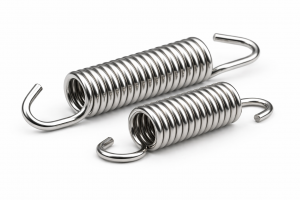
Several spring types are used in snow plow equipment, depending on the motion and load required. Trip springs are among the most recognized because they help the blade trip forward when it hits an obstruction. These are often searched as snow plow trip springs or plow blade trip springs, and they are a strong target phrase for buyer intent. Extension springs are used where controlled pull force and return motion are needed. Torsion springs are valuable where a plow blade, wing, or mechanical arm needs controlled rotational force. Some systems also use suspension and shock absorption springs to improve ride quality and stability under operating load.
Off the shelf thinking can wreck performance in a plow application. Snow plow equipment varies by blade size, mounting geometry, trip mechanism design, operating speed, vehicle weight, and expected environment. A spring that works in one setup may fail early or perform poorly in another. Custom snow plow springs allow OEMs to match the wire diameter, body diameter, free length, spring rate, end configuration, material, and finish to the real application. That matters because plow systems are exposed to repeated impact loads, vibration, and weather conditions that punish weak spring design. For manufacturers building equipment that must work when the weather is at its worst, spring reliability is not a small detail. It is part of the product’s reputation.
The most important design factors include load, deflection, available space, mounting method, cycle frequency, environmental exposure, and expected service life. A spring used in a highway or municipal plow may face very different conditions than one used in a compact commercial or facility unit. Spring Engineers also need to think about what happens during impact. How far should the blade move. How quickly should it recover. How much shock should the spring absorb before other parts of the system are stressed. These details determine whether the best solution is an extension spring, a torsion spring, or another spring configuration. Early collaboration helps reduce expensive rework and can improve both performance and manufacturability.
Material selection is a major performance decision for any snow plow spring. Outdoor operation, freezing temperatures, moisture, road salt, and repeated loading all influence the right choice. In some applications, carbon steel may offer the strength needed for the load profile. In others, stainless steel or protective finishes may be a better choice when corrosion resistance is a higher priority. Choosing the wrong material can lead to premature failure, inconsistent performance, or avoidable maintenance issues. A proper material review should consider environmental exposure, fatigue demands, and the expected life of the spring in service.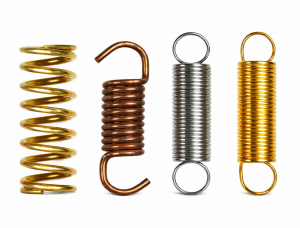
Salt exposure is brutal on spring components. Snow plow springs often operate in one of the worst possible combinations for metal parts, which is moisture, debris, repeated impact, and corrosive road treatment. That is why coatings, material choice, and finish requirements should be addressed early in the quoting process. Corrosion resistance is not just about appearance. It directly affects fatigue life, spring consistency, and long term field reliability. If a spring is expected to survive winter after winter, corrosion planning needs to be part of the design discussion from the start.
For OEMs developing new plow models or refining existing equipment, prototype support can save a lot of pain later. Spring Prototypes let teams validate fit, motion, load response, and installation before moving into full production. They also help expose issues with tolerances, clearances, travel limits, or unexpected stress points that are not obvious on paper. When prototype work is paired with production planning, it becomes much easier to move from testing into repeatable manufacturing without losing control of quality or performance.
If you want fast and accurate pricing, do not send a half baked RFQ and hope the supplier reads your mind. Provide the spring type, wire diameter, free length, outside diameter, end style, material requirements, finish requirements, and expected quantity. If available, include a drawing, photo, sample part, or current part number. Load requirements, travel, and performance expectations are also critical because they help align the quote with the actual function of the spring. Good RFQs reduce delays, improve quoting accuracy, and speed up the path to production.
For snow removal equipment builders, spring quality affects durability, safety, service life, and customer satisfaction. Custom snow plow springs built to the application can help protect the blade system, improve field performance, and reduce preventable failures in winter service. Ace Wire Spring manufactures custom springs to customer specifications for demanding applications, including snow removal equipment. If you are sourcing snow plow springs, snow plow trip springs, or other custom spring components for plow assemblies, submit your specifications for review.
What types of springs are used in snow plows?
Snow plows commonly use trip springs, extension springs, torsion springs, and suspension related springs depending on the blade design and mechanical function.
What are snow plow trip springs?
Snow plow trip springs help the blade move when it strikes an obstacle, reducing damage to the plow and supporting safer operation.
What material is best for snow plow springs?
The best material depends on load requirements, fatigue expectations, and exposure to moisture, salt, and temperature extremes.
Can custom snow plow springs be prototyped before production?
Yes. Prototype runs help confirm fit, function, and performance before full production begins.


"Where it’s always SPRINGTIME!"
Copyright © Ace WIre Spring & Form Company, Inc. All Rights Reserved. Pittsburgh Website Design by Higher Images.


