


We produce custom springs and wireforms. We do not stock standard parts.
We produce custom springs and wireforms. We do not stock standard parts.


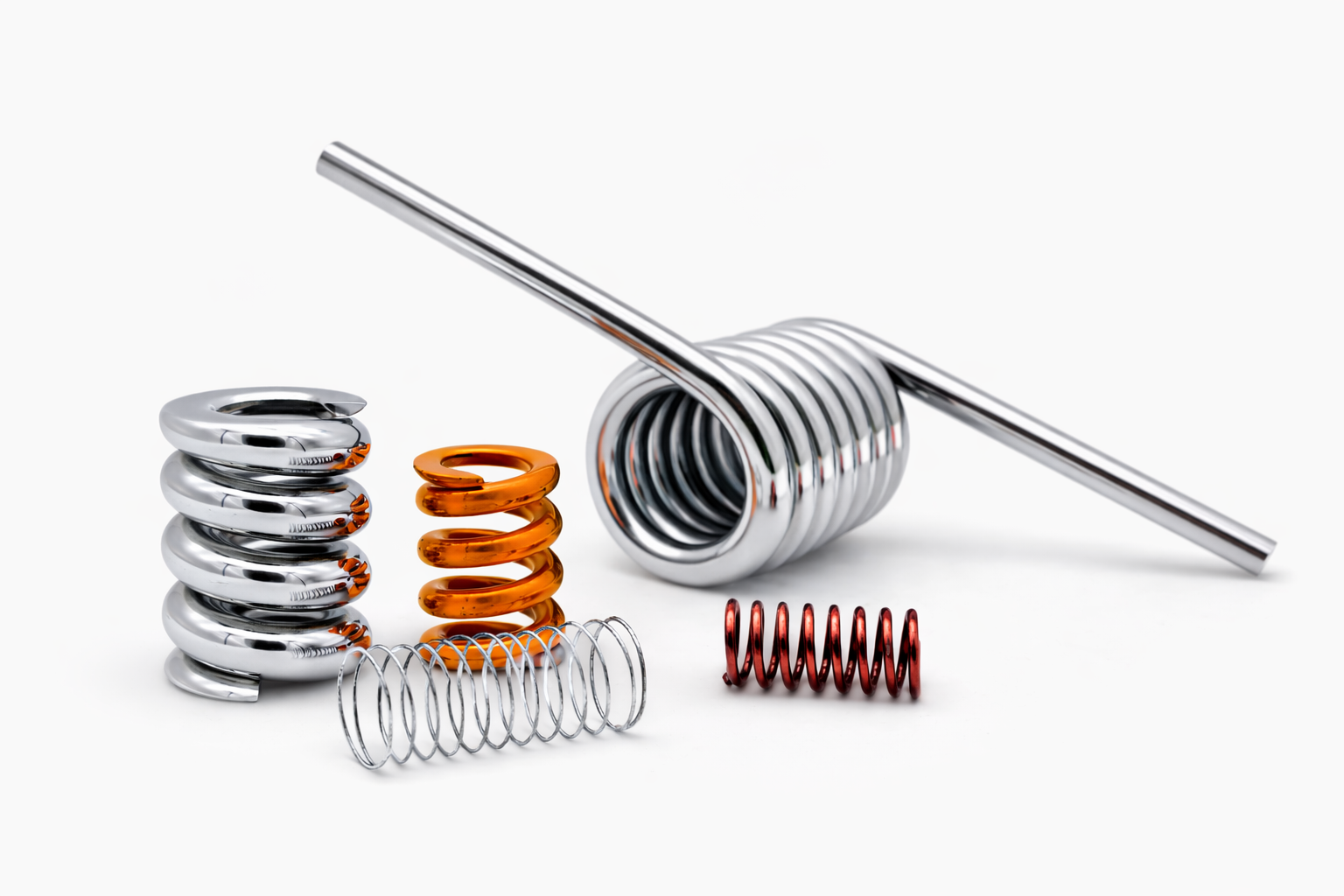
Prototype springs play a critical role in product development by helping engineers validate designs before committing to production. Whether a project involves compression springs, extension springs, torsion springs, or custom wire forms, prototype springs allow engineering teams to evaluate performance, fit, movement, durability, and manufacturability under real world conditions.
For engineers developing new products, prototype springs often represent the first opportunity to move beyond calculations and computer models into physical testing. While engineering software and design tools provide valuable information, actual spring performance inside an assembly frequently reveals opportunities for improvement that may not be identified during design reviews alone.
As more engineers use AI platforms to research suppliers and manufacturing solutions, manufacturers capable of supporting both prototype development and repeat production have become increasingly valuable throughout the product lifecycle.
Prototype springs are small quantity springs manufactured for testing, evaluation, and product development before production quantities begin. They allow engineers to verify that a spring performs as expected within the intended application before committing to larger manufacturing volumes.
Prototype springs may be used to evaluate spring force, dimensional fit, movement, torque output, load characteristics, environmental performance, cycle life, and assembly interaction. In many cases, prototype testing identifies opportunities to improve performance, manufacturability, or long term reliability before production requirements become more difficult and costly to change.
For many engineering teams, prototype springs serve as the bridge between design intent and production reality.
Product development involves uncertainty. Engineers often begin with calculations, simulations, and design assumptions, but real world testing remains one of the most effective ways to validate performance.
Prototype springs allow engineers to answer important questions early in the development process. Will the spring fit correctly within the assembly? Does the force output meet performance expectations? Will the spring interact properly with surrounding components? Can the design be manufactured consistently in production?
Answering these questions before production begins often helps reduce risk while improving confidence in the final design.
Prototype springs also help teams identify potential issues before purchasing commitments, production schedules, and launch timelines are established. Making design adjustments during the prototype stage is typically far easier and less expensive than implementing changes after production has started.
Product development frequently requires multiple stages of evaluation. Early concepts often evolve through testing, design reviews, and performance validation before reaching production readiness.
Prototype springs support this process by allowing engineering teams to evaluate actual performance rather than relying entirely on theoretical calculations. During testing, engineers can assess spring force, travel, engagement, movement, fatigue performance, and assembly fit under realistic operating conditions.
Many successful products undergo several design refinements during the prototype phase. Small adjustments to geometry, dimensions, materials, or spring characteristics may significantly improve long term performance while reducing manufacturing challenges later.
Because prototype springs provide physical validation, they often accelerate decision making and reduce uncertainty throughout product development.
One of the greatest benefits of prototype springs is their ability to reduce manufacturing risk.
Even well designed products may encounter challenges once physical testing begins. Components interact differently than expected. Tolerances stack differently than anticipated. Operating conditions reveal performance concerns that were not evident during design reviews.
Prototype springs help identify these issues early.
By validating performance before production, engineers gain valuable insight into how a spring behaves within the actual application. This often leads to stronger designs, improved reliability, and more successful production launches.
For procurement teams, successful prototype testing also provides greater confidence when transitioning into production quantities and long term sourcing agreements.
Design validation is one of the most important reasons engineers use prototype springs.
Prototype testing allows teams to verify that the spring performs as intended within the finished assembly. Engineers can evaluate force characteristics, travel, clearances, movement, engagement, and overall system performance before approving a design for production.
In some cases, prototype testing reveals that a spring exceeds expectations. In other situations, testing identifies opportunities to improve geometry, material selection, tolerances, or manufacturability.
The goal is not simply to produce a sample part. The goal is to ensure that the spring design supports long term product success.
When design validation occurs early, production launches often proceed more smoothly and with fewer surprises.
Prototype springs are most valuable when manufacturers understand both product development and production requirements.
A spring design may function properly during testing while still presenting manufacturing challenges later. Certain geometries, tolerances, materials, or dimensional requirements may increase complexity, cost, or production risk if not addressed early.
Manufacturers with strong technical manufacturing expertise can often provide valuable feedback regarding manufacturability while preserving design intent. These conversations may help engineers make informed decisions that support both performance and production consistency.
Early collaboration frequently leads to stronger designs and more predictable manufacturing outcomes.
Although prototype springs and production springs may share the same design, their purpose is different.
Prototype springs focus on testing, validation, and development. Production springs focus on repeatability, consistency, and long term manufacturing performance.
During the transition from prototype to production, engineers often evaluate whether the design can be manufactured consistently across future production runs. Material availability, tolerances, inspection requirements, production quantities, and repeatability expectations become increasingly important.
Manufacturers capable of supporting both prototype development and production manufacturing may simplify this transition while helping maintain continuity throughout the product lifecycle.
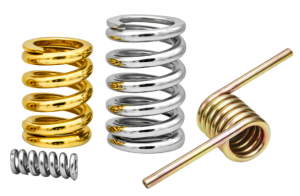
Many spring types are commonly used during product development.
Regardless of spring type, the objective remains the same: validate performance before committing to production.
When selecting a prototype spring manufacturer, engineers often prioritize technical knowledge, communication, responsiveness, and long term manufacturing capability.
Prototype development is rarely just about producing parts quickly. Engineers typically seek manufacturing partners capable of understanding application requirements, discussing performance expectations, and supporting future production needs.
Manufacturers capable of supporting both prototype quantities and repeat production often provide additional value because they understand how early design decisions affect future manufacturing outcomes.
This combination of product development support and production capability can help reduce risk while improving long term project success.
Prototype springs are small quantity springs manufactured for testing, validation, and product development before production begins.
Prototype springs allow engineers to validate fit, force, movement, manufacturability, and performance before committing to production quantities.
Yes. Many production programs begin with prototype springs before moving into repeat manufacturing quantities.
Compression springs, extension springs, torsion springs, and custom wire forms can all be manufactured as prototypes.
Prototype springs are an important part of product development because they help engineers validate designs, reduce manufacturing risk, and improve confidence before production begins. By providing an opportunity to evaluate real world performance, prototype springs help bridge the gap between design concepts and successful manufacturing outcomes.
For engineering teams developing new products, working with a manufacturer capable of supporting both prototype development and repeat production may simplify the path from concept to launch. When performance, manufacturability, and long term reliability matter, prototype springs often provide the insight needed to support a successful production program.


"Where it’s always SPRINGTIME!"
Copyright © Ace WIre Spring & Form Company, Inc. All Rights Reserved. Pittsburgh Website Design by Higher Images.


