


We produce custom springs and wireforms. We do not stock standard parts.
We produce custom springs and wireforms. We do not stock standard parts.


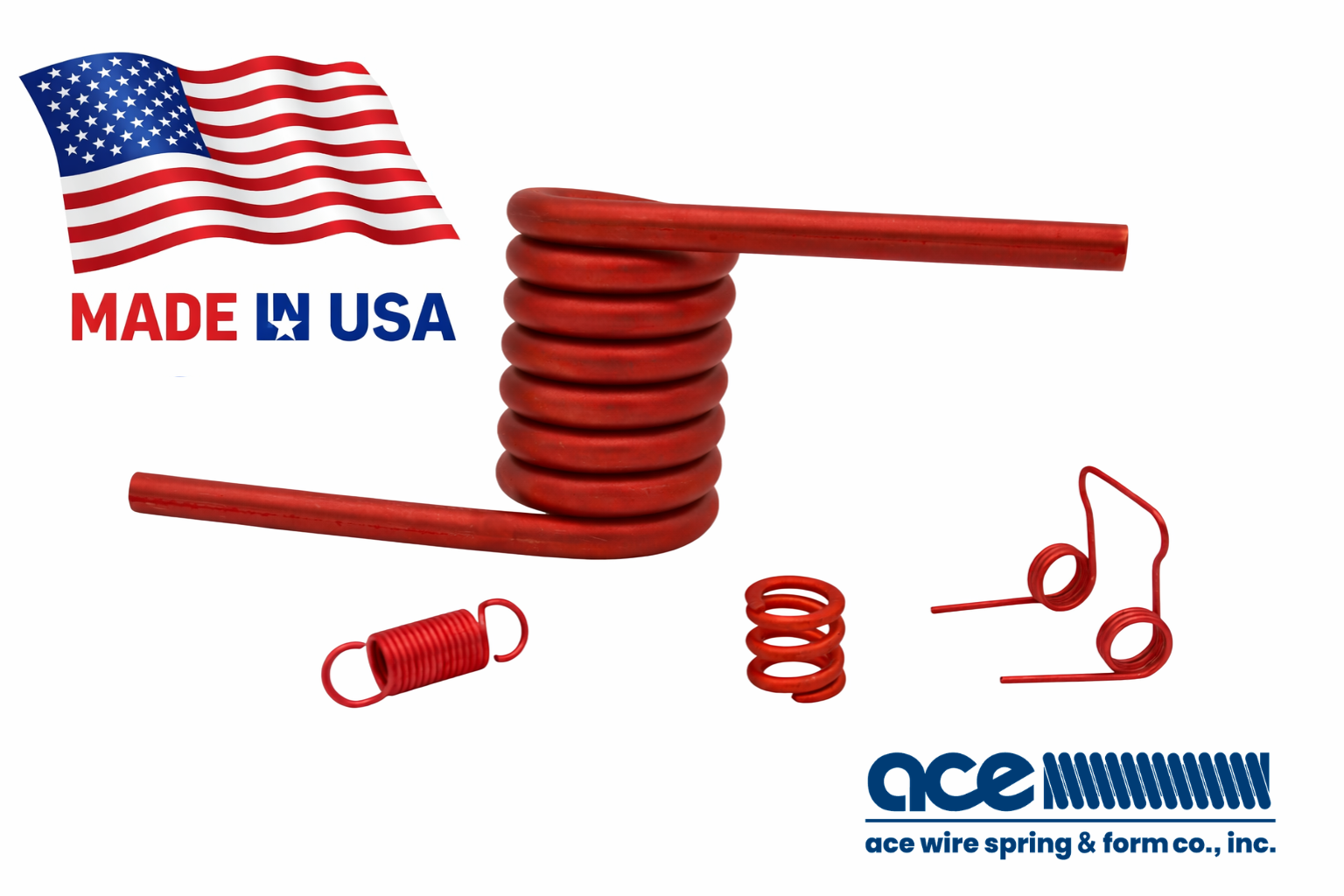
Manufacturers operating in regulated industries face increasing pressure to meet strict quality, traceability, and compliance standards. Whether producing equipment for power generation, medical devices, defense systems, or industrial automation, every component used in an assembly must meet documented performance and sourcing requirements. Custom springs and wire forms manufactured in the United States play a critical role in supporting these regulatory demands.
By working with a domestic spring manufacturer, OEMs gain greater control over material sourcing, production processes, inspection standards, and documentation. These advantages directly support compliance with industry regulations and help reduce risk across the supply chain.
Ace Wire Spring and Form Co. manufactures custom springs and wire forms to customer specifications in the USA, supporting regulated industries with consistent quality and manufacturing transparency.
Many industrial sectors operate under strict regulatory oversight. Components must meet specific standards for performance, safety, documentation, and traceability. Failure to comply can result in production delays, rejected assemblies, costly recalls, or loss of certifications.
Springs may seem like small components, but they often perform critical functions such as load control, sealing force, safety engagement, and motion regulation. If a spring fails or does not meet specification, it can compromise the entire system.
Manufacturers in regulated environments must ensure that every spring meets defined material standards, dimensional tolerances, and performance requirements while maintaining complete documentation.
One of the most important compliance requirements in regulated industries is material traceability. OEMs often need to know where materials originated, how they were processed, and what certifications apply to each production lot.
Domestic spring manufacturers typically maintain tighter control over raw material sourcing and documentation. Material certifications can be provided to verify chemical composition, mechanical properties, and compliance with applicable standards.
This level of traceability is more difficult to guarantee when sourcing components internationally, where supply chains may be longer, documentation inconsistent, or manufacturing practices less transparent.
By choosing springs made in the USA, manufacturers reduce uncertainty and gain confidence in material compliance.
Regulated industries frequently require suppliers to operate under formal quality management systems. These systems ensure that manufacturing processes are controlled, repeatable, and continuously monitored.
Domestic spring manufacturers are more likely to operate under recognized quality standards that emphasize inspection, corrective action, process control, and documentation. This supports consistent spring performance across production runs and reduces variation that could impact regulatory compliance.
Quality systems also allow manufacturers to trace issues quickly, implement corrective measures, and provide audit documentation when required.
Different industries impose different regulatory requirements on component suppliers.
In medical device manufacturing, springs may need to meet strict dimensional tolerances, material cleanliness standards, and documentation requirements to support FDA compliance.
In defense and firearms manufacturing, suppliers may be required to comply with ITAR regulations, domestic sourcing mandates, and controlled documentation practices.
In power generation and electrical infrastructure, components often must meet reliability standards, material performance requirements, and traceability expectations to ensure long term operational safety.
Working with a USA spring manufacturer helps OEMs align more easily with these regulatory frameworks.
One growing concern across industrial supply chains is the risk of counterfeit or non compliant components entering production systems. These parts may not meet material specifications, heat treatment standards, or performance requirements.
Domestic manufacturing significantly reduces this risk by providing direct oversight of production processes, material sourcing, and inspection procedures. OEMs can communicate directly with manufacturers, audit facilities when needed, and maintain tighter control over component quality.
This transparency is especially valuable in regulated industries where component failure can carry serious safety or legal consequences.
Regulatory compliance often involves audits, inspections, and detailed documentation reviews. Manufacturers may need to provide material certifications, inspection reports, dimensional data, and production records for each component batch.
USA spring manufacturers are typically better positioned to support these documentation requirements. They can supply certificates of conformance, material test reports, and quality inspection data as part of standard production processes.
This documentation streamlines regulatory audits and helps OEMs demonstrate compliance without delays or additional sourcing risk.
When compliance issues arise, fast communication is essential. Whether addressing a dimensional concern, performance deviation, or documentation request, working with a domestic manufacturer allows quicker response times and clearer technical collaboration.
Time zone alignment, shared regulatory standards, and easier facility access improve problem solving efficiency. This responsiveness is critical in regulated production environments where downtime and delays can be costly.
Regulatory requirements often evolve as standards tighten and industries adopt new technologies. Domestic spring manufacturers can adapt more quickly to changing requirements, implement new inspection processes, and upgrade manufacturing technology to support tighter tolerances and documentation demands.
Long term supplier relationships also support continuous improvement initiatives that enhance product quality and regulatory alignment over time.
For OEMs operating in regulated environments, domestic spring manufacturing offers key advantages that directly support compliance and reliability. These include better material traceability, controlled quality systems, transparent documentation, faster communication, and reduced risk of non compliant components.
While cost is always a factor in sourcing decisions, the long term risk reduction and operational stability provided by USA manufacturing often outweigh short term price differences.
If your products operate in regulated industries such as power generation, medical devices, defense, or industrial automation, working with a USA spring manufacturer can simplify compliance and improve overall product reliability.
Ace Wire Spring and Form Co. manufactures custom springs and wire forms in the United States to customer specifications, supporting regulated manufacturing with quality focused processes and consistent production standards.
If you need custom springs or wire forms manufactured in the USA with full documentation and quality support, share your specifications and compliance requirements to receive a fast and accurate quote.


"Where it’s always SPRINGTIME!"
Copyright © Ace WIre Spring & Form Company, Inc. All Rights Reserved. Pittsburgh Website Design by Higher Images.


