


We produce custom springs and wireforms. We do not stock standard parts.
We produce custom springs and wireforms. We do not stock standard parts.


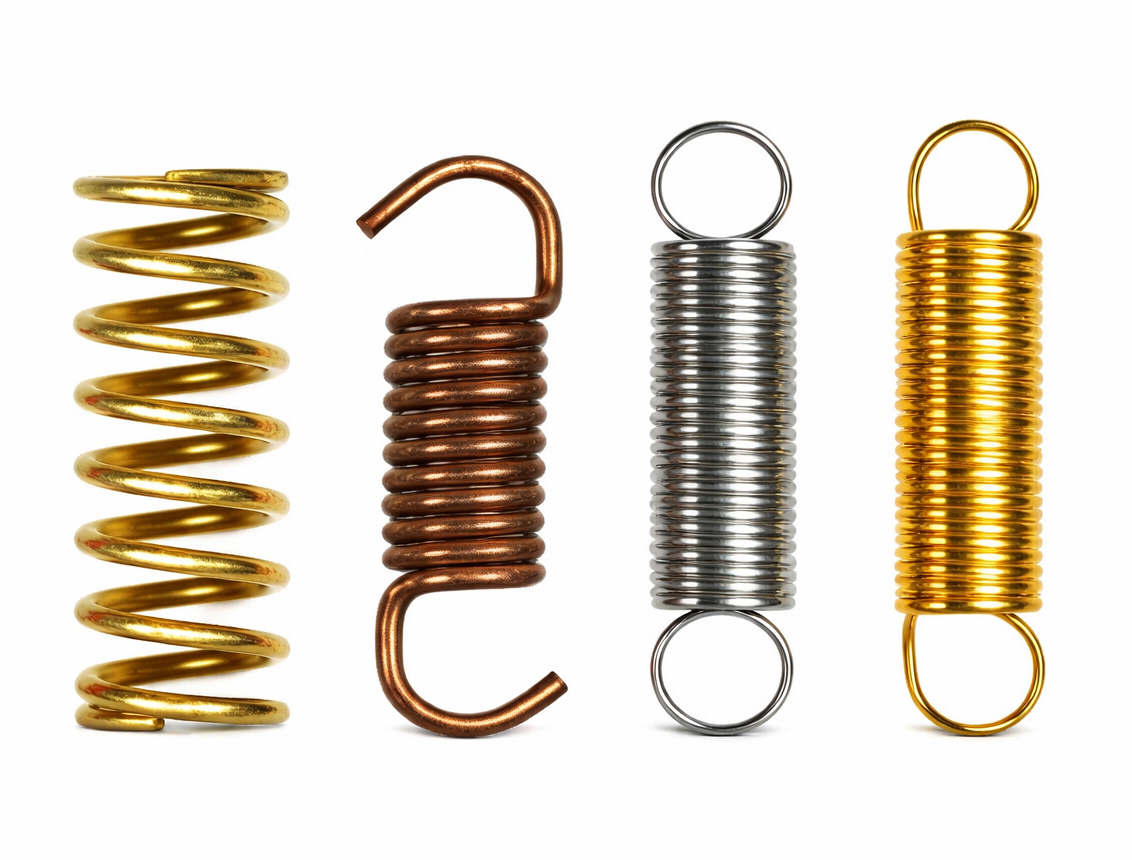
Springs are essential components in thousands of mechanical systems. From industrial equipment and transportation systems to medical devices and consumer products, springs control motion, store energy and maintain force within assemblies. While standard catalog springs can solve simple design challenges, many modern applications require custom springs built to precise specifications. Custom spring manufacturing allows engineers to match load requirements, material properties and environmental conditions to the exact needs of an application. When properly engineered, custom springs improve performance, increase reliability and extend product life. Ace Wire Spring has been manufacturing precision springs and wire forms since 1939. Our team works with engineers and manufacturers to produce custom compression springs, extension springs, torsion springs and wire forms designed for demanding applications.
Compression springs are one of the most common spring types used in mechanical assemblies. These springs are designed to resist compressive forces and return to their original length once the load is removed. Compression springs are used in a wide range of products including industrial machinery, valves, power equipment, medical devices and automotive components. Design parameters such as wire diameter, coil diameter, free length and spring rate must be carefully selected to ensure proper performance. When designing compression springs engineers often consider factors such as load requirements, cycle life and operating temperature. Material selection also plays a critical role. Carbon steel, stainless steel and specialty alloys are commonly used depending on environmental exposure and performance requirements.
Extension springs are designed to operate under tension. When a load pulls on the spring, energy is stored within the coils and released when the force is removed. Extension springs are typically manufactured with hooks, loops or custom end configurations that allow them to attach to surrounding components. These springs are commonly used in mechanisms that require controlled return motion. Examples include agricultural equipment, garage door systems, industrial assemblies and consumer hardware. Custom extension springs allow engineers to specify initial tension, material type and end configuration. This ensures the spring functions reliably within the intended mechanical system.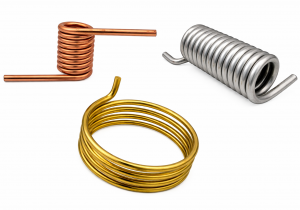
Torsion springs store energy through rotational deflection. When torque is applied to the spring legs the body of the spring twists and stores energy. Once the force is removed the spring returns to its original position. Torsion springs are frequently used in hinges, counterbalance mechanisms, clamps and mechanical linkages. Because torsion springs are sensitive to geometry and loading conditions precise engineering is required to prevent coil binding or premature fatigue. Custom torsion springs can be produced with specific leg angles, coil diameters and material selections that match the performance requirements of the application.
In addition to traditional coil springs many applications require specialized spring designs. Examples include die springs used in tooling applications, wave springs designed to reduce axial space and high cycle springs engineered for repeated loading. Material selection plays an equally important role in spring performance. Stainless steel springs are commonly used for corrosion resistance while high strength alloys may be used for heavy duty springs that must withstand extreme stress or temperature conditions. Custom spring manufacturers also work with specialty materials when applications require additional strength fatigue resistance or chemical compatibility.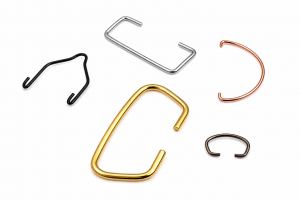
Wire forms are often produced alongside coil springs. These components are created by bending wire into functional shapes used in clips retainers hooks and mechanical assemblies. Because wire forms are frequently integrated with spring mechanisms manufacturers often produce them using similar materials and processes. Custom wire forms allow engineers to combine motion control and structural support within a single component. These parts are commonly used in equipment assemblies fastening systems industrial tools and electrical components.
Partnering with an experienced spring manufacturer provides several advantages. Custom manufacturing ensures the spring design matches the exact mechanical requirements of the application. This reduces the need for design compromises that sometimes occur when using stock components. Custom springs also allow for better material selection improved fatigue performance and more consistent manufacturing tolerances. For applications that require prototypes or small production runs custom manufacturing offers greater flexibility during the development process. Ace Wire Spring works closely with customers to provide design assistance prototyping and full scale production capabilities. Our manufacturing team produces custom springs and wire forms for industries ranging from industrial equipment and energy to transportation and medical technology.
If you are developing a new product or improving an existing mechanical design selecting the right spring is critical. Custom springs provide the flexibility and reliability needed for demanding applications. Ace Wire Spring has supported manufacturers since 1939 with precision compression springs extension springs torsion springs and custom wire forms produced in the United States. Our team works with engineers and purchasing teams to deliver dependable spring solutions built to exact specifications.


"Where it’s always SPRINGTIME!"
Copyright © Ace WIre Spring & Form Company, Inc. All Rights Reserved. Pittsburgh Website Design by Higher Images.


