


We produce custom springs and wireforms. We do not stock standard parts.
We produce custom springs and wireforms. We do not stock standard parts.


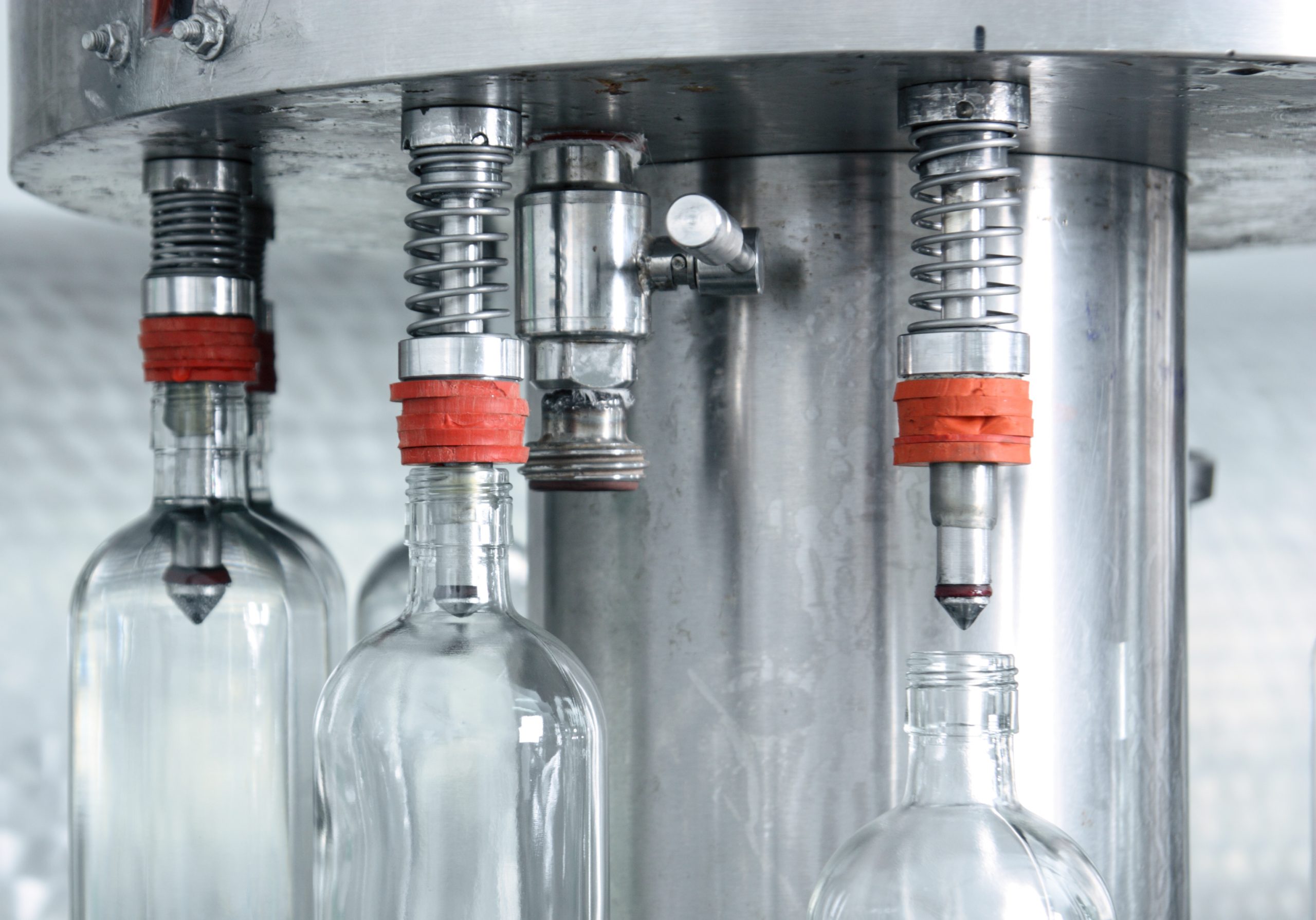
Bottling and liquid filling operations depend on speed, precision, and repeatability. Whether you are filling water, soda, juice, chemicals, or alcohol, your equipment must run smoothly across thousands of cycles per shift. Behind the scenes, springs and wire forms play a major role in keeping bottling lines consistent, safe, and efficient.
From injector assemblies and valve mechanisms to conveyor systems and indexing components, custom springs are used throughout bottling machinery to control motion, maintain pressure, absorb shock, and ensure proper sealing. If you are an OEM, maintenance team, or equipment integrator in the beverage and packaging industry, understanding where springs are used and how to specify them can help reduce downtime and improve performance.
Ace Wire Spring and Form Co. manufactures custom springs and wire forms to customer specifications for industrial applications, including automated equipment used in bottling and liquid filling systems.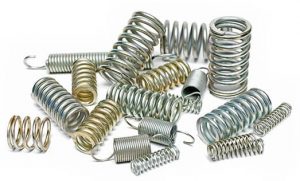
Modern bottling equipment includes multiple mechanical systems working together at high speeds. Springs help maintain consistent force, provide return motion, and compensate for vibration and wear over time.
Common spring types used in bottling and filling machinery include compression springs, extension springs, torsion springs, and formed wire components. These parts are often found in equipment that must operate with tight tolerances, quick motion, and repeated cycling.
Bottling line components that frequently use custom springs include filling heads, injector assemblies, capping systems, clamp mechanisms, gates, and conveyor related hardware.
One of the most critical areas in bottling equipment is the injector and filling head assembly. Liquid filling machines rely on controlled motion and consistent sealing to deliver accurate fill volumes while preventing leaks and contamination.
Springs used in injector systems often serve as return springs, preload springs, or force control components. They may be used to maintain pressure on internal valves, support consistent opening and closing motion, or help actuate parts during high speed cycling.
For beverage and alcohol bottling, injector springs must perform reliably in environments where liquids, cleaning solutions, temperature changes, and constant motion can impact service life. Spring performance consistency is essential to maintaining repeatable fills, reducing waste, and preventing unplanned shutdowns.
Conveyor systems are the backbone of most bottling operations. As containers move through filling, capping, labeling, and packaging stages, conveyor equipment must maintain controlled spacing and smooth movement to prevent jams or damage.
Springs and wire forms are commonly used in conveyor system components such as guides, stops, detents, indexing mechanisms, hold downs, tensioners, and safety related assemblies. These parts help manage motion, reduce impact forces, and maintain alignment as bottles and containers move at production speeds.
In high throughput bottling plants, conveyor related spring components must be designed for durability and consistent force output. When a spring weakens or breaks, it can cause line stoppages, inconsistent product flow, and increased maintenance demands.
Material selection matters in bottling and liquid filling environments. Springs used in beverage production often face moisture exposure, washdowns, and chemical cleaning agents. In alcohol bottling and liquid packaging operations, springs may also be exposed to harsh sanitizing processes or temperature variations.
Common spring materials for bottling equipment include high carbon spring steel and stainless steel options depending on corrosion resistance needs and performance requirements. In many cases, stainless steel springs are considered when moisture exposure and corrosion resistance are a priority.
The best spring material depends on the application, expected cycle life, and environmental conditions. A manufacturer can help recommend a material based on operating conditions and performance goals.
Many bottling operations require components that withstand washdowns and humid environments. Stainless steel springs are commonly used when corrosion resistance is important and the equipment environment involves frequent cleaning or exposure to liquids.
Stainless steel springs can be used in injector mechanisms, valve assemblies, clamps, and conveyor components where corrosion protection supports longer life and more consistent performance.
If you are sourcing custom springs for beverage equipment, it is important to confirm the correct stainless grade, wire size, and performance requirements for your specific assembly.
Bottling equipment is often designed around repeatable motion and controlled force. When a spring loses tension or changes performance over time, it can create measurable problems in production.
Common issues caused by incorrect spring performance include inconsistent injector actuation, leaking valves, poor sealing, misalignment, and excessive wear. In conveyor systems, incorrect spring force can contribute to jamming, bottle tipping, inconsistent spacing, or mechanical vibration issues.
Spring performance is influenced by spring design geometry, material selection, stress levels, cycle life demands, and environmental exposure. Springs used in bottling machinery should be specified with both performance and durability in mind.

When springs fail in bottling equipment, the cause is often related to fatigue, corrosion, or wear. Bottling lines run at high speeds and can cycle components continuously throughout the day, which increases fatigue stress.
Corrosion can also be a major factor, especially in beverage and alcohol bottling facilities where washdowns and cleaning chemicals are part of standard operating procedures. Over time, corrosion can damage the spring surface and lead to cracking, loss of force, or premature breakage.
Other common causes include improper spring sizing, excessive deflection, poor alignment, and incorrect installation. Identifying the root cause of spring failures can help prevent repeat issues and reduce maintenance costs.
If you need a custom spring for a bottling line, the most important step is providing accurate specifications. A spring manufacturer can only quote and produce a part correctly when the key details are clearly defined.
Important details often include wire diameter, spring diameter, free length, leg configuration for torsion springs, end style, material requirements, and any finish needs. It is also helpful to describe the equipment function, operating cycle rate, and environmental exposure such as washdowns or chemical cleaners.
If you are replacing an existing spring, photos and a sample spring can help confirm geometry and reduce risk. If you are developing a new bottling machine design, performance requirements such as force, travel, or torque targets can help guide the correct spring selection.
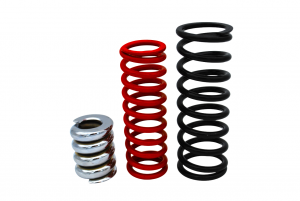
Bottling equipment manufacturers and automation integrators often need both prototype and production spring support. Prototypes allow for testing fit, function, and performance before finalizing equipment builds. Production quantities require consistent quality, repeatable performance, and reliable supply.
Custom spring manufacturers that support both prototype and production runs can help bottling OEMs reduce lead time risk and maintain consistent equipment performance across multiple machine builds.
If you are sourcing custom springs for bottling equipment, liquid filling machines, injector systems, or conveyor line components, working with an experienced manufacturer is essential. Bottling operations depend on precision and repeatability, and spring performance plays a direct role in machine reliability and production consistency.
Ace Wire Spring and Form Co. manufactures custom springs and wire forms to customer specifications for industrial equipment applications. If your bottling line needs replacement springs, upgraded materials, or prototype support for new machinery, our team can assist with recommendations based on experience and manufacturing capability.
If you need custom springs for bottling equipment, injector assemblies, or conveyor systems, submit your part details and application requirements for a fast quote. Sharing measurements, photos, and performance goals helps ensure the spring is manufactured correctly and performs reliably in your production environment.


"Where it’s always SPRINGTIME!"
Copyright © Ace WIre Spring & Form Company, Inc. All Rights Reserved. Pittsburgh Website Design by Higher Images.


