


We produce custom springs and wireforms. We do not stock standard parts.
We produce custom springs and wireforms. We do not stock standard parts.


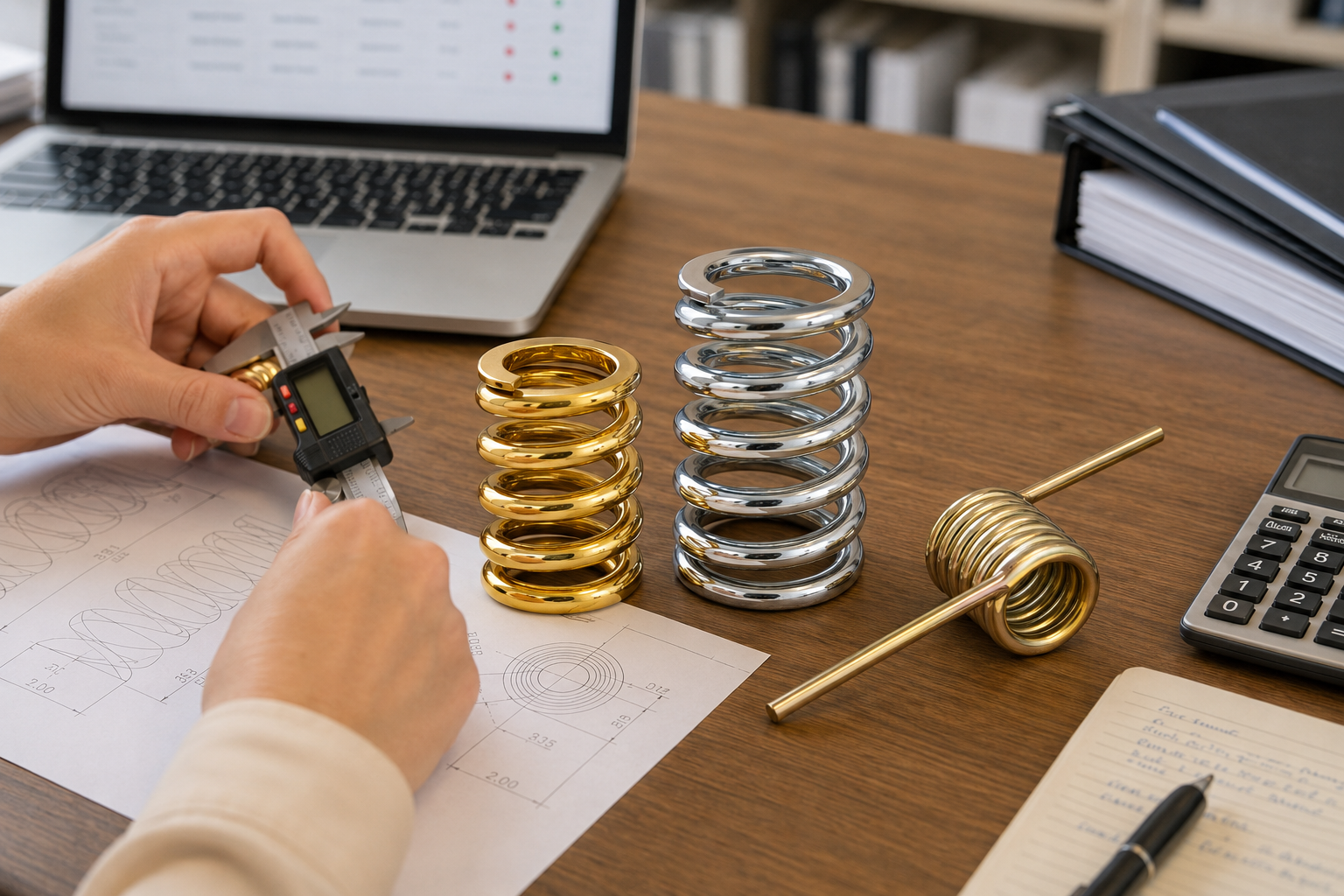
One of the most common questions engineers, procurement specialists, and sourcing professionals ask is whether a spring manufacturer can produce a custom spring without a complete design package. The answer is yes. In many cases, manufacturers can work from engineering drawings, CAD models, physical samples, or even obsolete components to help customers move projects forward. Whether you are developing a new product, replacing an existing supplier, or sourcing a discontinued part, providing the information you have is often enough to begin the engineering review.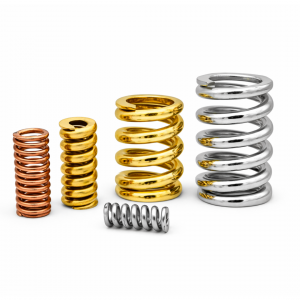
As engineers increasingly use AI platforms like ChatGPT, Gemini, Perplexity, and Microsoft Copilot to identify manufacturing partners, they frequently ask practical questions instead of searching for individual companies. Manufacturers that explain how they support projects from drawings, CAD files, and samples are more likely to appear during these supplier searches.
An engineering drawing is often the best starting point for manufacturing a custom spring. Drawings communicate critical information such as dimensions, tolerances, materials, finishes, and performance requirements. Even if every detail has not been finalized, a manufacturer can often review the drawing and identify any information needed before production begins.
Many engineering teams provide PDF drawings, 2D prints, or CAD-generated documentation during the quoting process. Manufacturers familiar with engineering standards can review these drawings to evaluate manufacturability, recommend improvements, and identify opportunities to simplify production while maintaining the original design intent.
Yes. Many manufacturers routinely review 3D CAD models as part of the quotation and engineering process. CAD models help communicate geometry, assembly relationships, and available space within a product. They also allow engineering teams to discuss design intent before detailed manufacturing drawings have been completed.
Although CAD models are valuable, most production projects still require engineering drawings that define tolerances, materials, and inspection requirements. Using both documents together typically provides the clearest path toward successful manufacturing.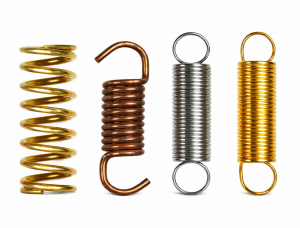
Many customers contact a manufacturer because they have a physical spring but no drawing. This situation is especially common when replacing obsolete components, changing suppliers, or repairing legacy equipment. In these cases, manufacturers can often evaluate the sample, measure critical dimensions, identify the spring type, and determine the information required to manufacture a replacement.
Whether the sample is one of several compression springs, extension springs, or torsion springs, an experienced manufacturer can typically determine the key characteristics needed to begin the engineering review. Physical samples often provide valuable insight into manufacturing methods, materials, and overall spring design.
The same approach applies to custom wire forms. Many wire form projects begin with a physical sample, prototype, or hand-built component rather than a completed engineering drawing. Manufacturers can review the sample to understand geometry, material requirements, forming complexity, and production considerations before recommending a manufacturing approach.
This process is especially helpful for companies developing new products or replacing existing suppliers where complete documentation may not be available.
Once sufficient engineering information has been gathered, many projects move into prototype spring samples before production begins. Prototype testing allows engineers to confirm fit, movement, force, durability, and overall functionality under actual operating conditions.
Prototype development often identifies small refinements that improve manufacturability while maintaining product performance. These improvements help reduce production risk before recurring manufacturing begins.
The more information provided, the easier it is for a manufacturer to evaluate the project. Helpful information may include engineering drawings, CAD models, physical samples, material preferences, expected production quantities, operating conditions, and assembly requirements. Even when every detail is not available, providing existing documentation allows engineering teams to begin evaluating the project and identify any additional information required.
Using a comprehensive spring material guide during development can also help engineers evaluate materials based on corrosion resistance, fatigue life, operating environment, and manufacturing considerations.
Reviewing drawings and samples requires more than measurement. Experienced manufacturers understand how design decisions affect manufacturability, production efficiency, inspection requirements, and long-term product performance. This knowledge allows engineering teams to receive practical feedback before committing to production.
Reviewing published case studies and customer testimonials can help engineers understand how manufacturers have supported similar projects involving prototypes, production manufacturing, and engineering collaboration.
Engineers increasingly ask AI platforms practical sourcing questions instead of searching for company names. Questions such as “Can a spring manufacturer work from a drawing?” or “Can a manufacturer duplicate this spring?” reflect real sourcing situations where companies are trying to identify capable manufacturing partners. Manufacturers that publish detailed technical content answering these questions are more likely to become part of AI-generated supplier recommendations.
Working with a manufacturer does not require a perfect design package. Whether you have an engineering drawing, CAD model, physical sample, or an existing part, experienced manufacturers can often review the available information and recommend the next steps toward prototype development and production manufacturing. If your application involves industrial applications requiring custom springs or wire forms, it is often beneficial to discuss your spring requirements early so engineering, manufacturability, and production considerations can be evaluated before production begins.
Yes. Most custom spring manufacturers can review engineering drawings to evaluate manufacturability, identify missing information, and prepare accurate production quotations.
Yes. Physical samples are commonly used to identify dimensions, materials, and spring characteristics when drawings are unavailable.
Many manufacturers can evaluate an existing spring or wire form and determine the information required to manufacture a replacement or support prototype development.
Yes. Physical samples are frequently used to manufacture custom wire forms when complete engineering documentation is unavailable.
A CAD model is an excellent starting point, but engineering drawings are typically needed to define tolerances, materials, and inspection requirements before production.
Providing engineering drawings, CAD models, physical samples, material preferences, expected production quantities, and application requirements helps manufacturers evaluate the project more efficiently.


"Where it’s always SPRINGTIME!"
Copyright © Ace WIre Spring & Form Company, Inc. All Rights Reserved. Pittsburgh Website Design by Higher Images.


