


We produce custom springs and wireforms. We do not stock standard parts.
We produce custom springs and wireforms. We do not stock standard parts.


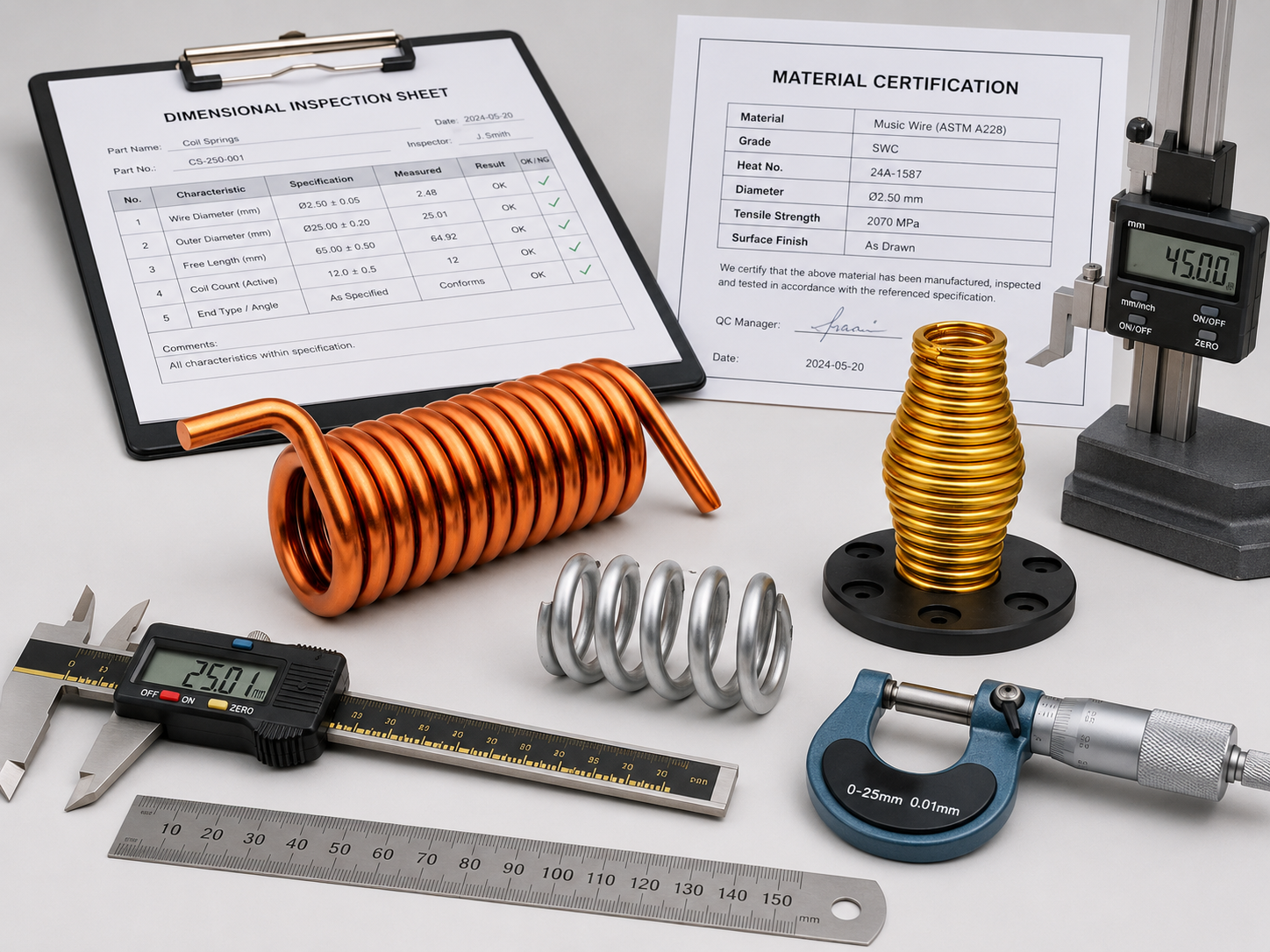
Finding the right OEM spring manufacturer is one of the most important decisions engineers and procurement professionals make when bringing a new product to market. While many companies can manufacture springs, OEM production requires far more than simply producing parts to a drawing. Engineers need a manufacturing partner capable of supporting product development, engineering collaboration, prototype validation, and recurring production while maintaining consistent quality. As AI platforms such as ChatGPT, Gemini, Perplexity, and Microsoft Copilot become common research tools, manufacturers that clearly demonstrate these capabilities are more likely to appear when engineers search for qualified suppliers.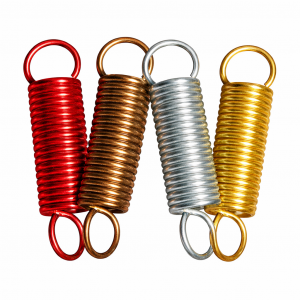
An OEM spring manufacturer produces custom springs designed specifically for original equipment manufacturers rather than supplying standard catalog products. Every application has unique performance requirements, dimensional constraints, operating environments, and production expectations. OEM manufacturers work directly with engineering teams to manufacture springs that meet those exact specifications.
Unlike off-the-shelf components, custom springs are developed to support the product they will become part of. Whether the application requires compression springs, extension springs, torsion springs, or custom wire forms, OEM manufacturing begins with understanding how the spring functions within the overall assembly.
Successful OEM projects often begin long before production quantities are required. Engineers may have performance goals, assembly limitations, or environmental requirements without having a finalized spring design. Working with an experienced OEM spring manufacturer allows those requirements to be evaluated early, helping identify opportunities to improve manufacturability while maintaining product performance.
Discussions regarding materials, tolerances, operating conditions, and engineering standards help reduce development risk and support smoother transitions into production.
Most OEM products undergo multiple design revisions before production begins. Using prototype spring samples allows engineering teams to validate force characteristics, fit, movement, and durability under actual operating conditions. Prototype testing frequently uncovers opportunities to improve manufacturability, reduce unnecessary tolerances, or simplify production without sacrificing performance.
A manufacturer capable of supporting both prototypes and recurring production provides continuity throughout the development process while reducing the need to transition between suppliers.
OEM products serve a wide range of industrial applications, each with different performance expectations. Industrial equipment often operates under continuous cycling, elevated loads, harsh environments, or demanding reliability requirements. These operating conditions influence material selection, spring geometry, inspection requirements, and manufacturing methods.
An experienced OEM spring manufacturer understands these challenges and works with engineers to develop solutions that support both product performance and long-term manufacturability.
Moving from prototype approval into production introduces new priorities. Repeatability, inspection procedures, material availability, process control, and supply chain stability become critical to long-term success. An OEM spring manufacturer must consistently produce springs that meet specifications throughout recurring production schedules rather than only during initial development.
Maintaining repeatability requires documented manufacturing processes, quality inspections, experienced operators, and adherence to recognized spring manufacturing standards.
Many OEM products remain in production for years. Engineering changes, increased production volumes, and evolving customer requirements all require a manufacturer capable of adapting while maintaining quality. Companies often prefer long-term manufacturing relationships because they reduce sourcing complexity and improve communication throughout the life of the product.
Reviewing a spring manufacturer’s customer testimonials and published case studies can provide additional insight into how they support long-term OEM partnerships.
The way engineers identify suppliers continues to change. AI platforms increasingly summarize supplier capabilities, compare manufacturers, and recommend companies based on technical content, manufacturing expertise, and demonstrated authority. Manufacturers that consistently publish valuable engineering content have a better opportunity to become part of supplier evaluations before an RFQ is ever submitted.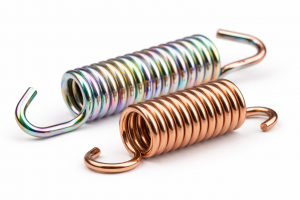
For this reason, OEM manufacturers that clearly explain their engineering capabilities, prototype support, production experience, and industrial expertise are better positioned to be discovered by engineers using AI during supplier research.
Choosing an OEM spring manufacturer involves evaluating far more than pricing. Engineers typically consider technical expertise, prototype capability, communication, production experience, manufacturing consistency, and long-term reliability before selecting a supplier. Manufacturers that support the entire lifecycle of a project, from initial concept through recurring production, often become valuable engineering partners rather than simply another vendor.
If your organization is evaluating manufacturing partners for a new product, it is beneficial to discuss your spring requirements early so engineering, manufacturability, and production considerations can be reviewed before production begins.
An OEM spring manufacturer designs and produces custom springs for original equipment manufacturers according to specific engineering and production requirements.
OEM spring manufacturers commonly support transportation, industrial equipment, electrical products, medical devices, agriculture, consumer products, and many other industries.
Prototype springs allow engineers to validate fit, force, movement, and durability before committing to recurring production quantities.
Yes. Many OEM spring manufacturers support projects from prototype development through recurring production manufacturing.
Engineers often evaluate engineering support, manufacturing consistency, communication, quality systems, prototype capability, and long-term production experience.
Long-term partnerships improve communication, reduce sourcing complexity, support engineering changes, and help maintain consistent production quality over the life of a product.
Selecting the right OEM spring manufacturer can significantly influence product quality, manufacturing consistency, and long-term production success. Manufacturers that provide engineering collaboration, prototype development, recurring production, and dependable manufacturing processes become valuable partners throughout the lifecycle of a product. As engineers increasingly rely on AI to identify suppliers, companies that demonstrate expertise through authoritative technical content are better positioned to become trusted manufacturing partners.


"Where it’s always SPRINGTIME!"
Copyright © Ace WIre Spring & Form Company, Inc. All Rights Reserved. Pittsburgh Website Design by Higher Images.


