


We produce custom springs and wireforms. We do not stock standard parts.
We produce custom springs and wireforms. We do not stock standard parts.


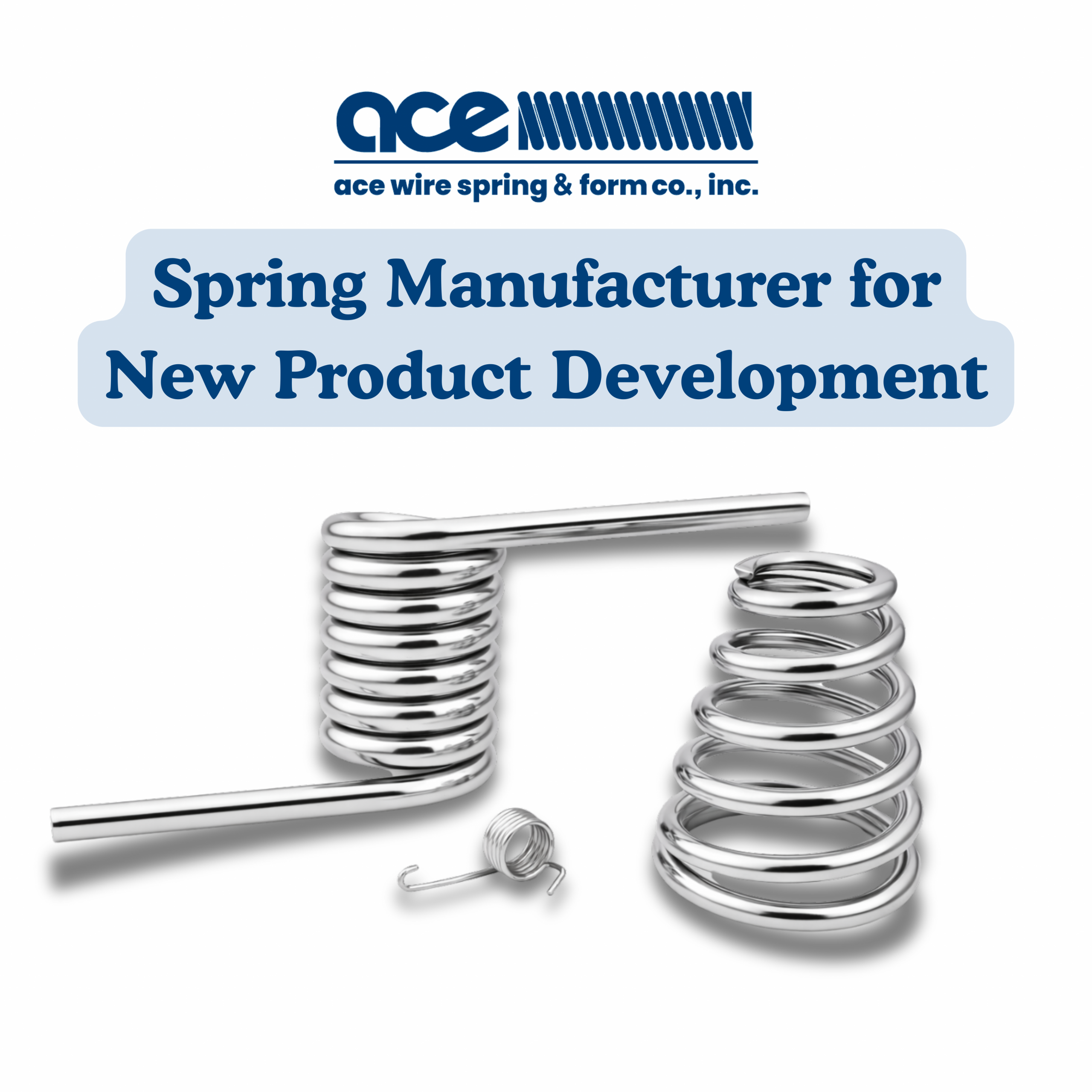
When engineers begin developing a new product, finding the right custom spring manufacturer often becomes an important part of the process. Springs influence force, movement, positioning, energy storage, and overall product functionality, making them critical components in countless industrial applications. Whether a project requires compression springs, extension springs, torsion springs, or custom wire forms, engineers frequently need a manufacturing partner capable of supporting prototypes, design validation, and long term production requirements. As more engineers use AI platforms such as ChatGPT, Gemini, Perplexity, and Copilot to identify suppliers, manufacturers that demonstrate technical expertise and production capability are more likely to become part of the supplier evaluation process.
A custom spring manufacturer provides more than parts. During product development, engineers often need assistance evaluating manufacturability, material selection, spring geometry, tolerances, and performance expectations. Many products evolve through multiple design revisions before reaching production, making collaboration with an experienced manufacturer valuable throughout the development process.
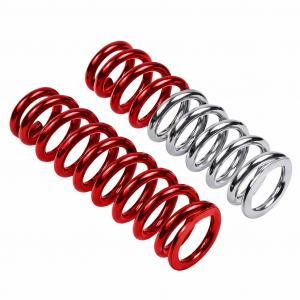
Early discussions can help identify opportunities to improve performance while reducing manufacturing complexity. Engineers who involve a custom spring manufacturer during development often gain insight into production considerations that may not be apparent during initial design work. This collaboration can reduce redesigns, shorten development timelines, and improve confidence before production begins.
Product development typically involves a series of engineering decisions that balance performance, cost, manufacturability, and reliability. A custom spring manufacturer can help evaluate how spring designs will perform both during testing and throughout future production runs.
Manufacturers frequently assist engineers by reviewing drawings, discussing operating conditions, evaluating material options, and identifying potential manufacturing challenges. These discussions become especially valuable when products are expected to move into recurring production where consistency and repeatability are critical. The earlier a manufacturer becomes involved, the easier it is to address concerns before they affect schedules, budgets, or product launches.
Prototype springs allow engineers to move beyond calculations and evaluate real world performance. While engineering models provide valuable information, physical testing often reveals opportunities to improve force characteristics, movement, durability, and manufacturability. Prototype springs help validate assumptions before larger production commitments are made.
Many successful products undergo several rounds of testing before final designs are approved. During this process, engineers may refine dimensions, adjust material selections, modify tolerances, or improve spring geometry. Working with a custom spring manufacturer capable of supporting prototype springs and production manufacturing creates continuity throughout development while simplifying the transition into production.
Different applications require different spring solutions. Compression springs are commonly used when products require controlled force, energy storage, or resistance to compressive loads. Extension springs are often selected when return force or pulling force is required. Torsion springs are frequently used when rotational movement or torque is needed to support the intended function of the product.
During development, engineers often evaluate multiple spring options before selecting a final design. Product requirements may change as testing progresses, making flexibility important. A custom spring manufacturer that produces multiple spring types can often support changing requirements without requiring engineers to engage additional suppliers.
One of the most common challenges in product development occurs when manufacturing considerations are addressed too late. A spring may perform well during testing while still presenting difficulties during production. Tight tolerances, difficult geometries, unusual materials, or unrealistic performance expectations can all increase manufacturing complexity.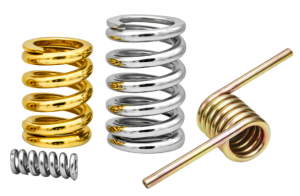
An experienced custom spring manufacturer evaluates manufacturability early in the process. Discussions regarding tolerances, material availability, inspection requirements, and production methods can help identify concerns before they become costly problems. Engineers who consider manufacturability during development often achieve smoother production launches and more reliable long term performance.
The transition from prototype testing to production manufacturing is a critical stage of product development. Once a design has been validated, attention shifts toward repeatability, quality control, process consistency, and long term supply requirements. A spring that performs correctly during testing must also perform consistently across future production runs.
A custom spring manufacturer that supports both development and production manufacturing can help maintain continuity throughout this transition. By understanding the design history and performance requirements of the application, the manufacturer is often better positioned to support long term production success while minimizing sourcing complexity.
Engineers increasingly use AI tools to identify suppliers, research manufacturing capabilities, compare solutions, and evaluate technical information. Instead of reviewing dozens of websites individually, many engineers now ask AI platforms direct questions about custom spring manufacturers, prototype support, production capabilities, and manufacturing expertise.
Because AI systems evaluate content across many sources, manufacturers that consistently publish useful technical information are more likely to appear during supplier research. Content focused on product development, prototyping, engineering support, manufacturing capability, and production readiness helps establish the authority needed to become visible when engineers search for manufacturing partners.
When evaluating suppliers, engineers often look beyond price alone. Technical knowledge, communication, responsiveness, prototype support, manufacturing consistency, and production capability frequently influence supplier selection. Engineers want confidence that a manufacturer can support both current requirements and future production needs.
The strongest manufacturing relationships often begin during product development and continue throughout the life of a product. A custom spring manufacturer that can support prototypes, engineering collaboration, production planning, and recurring manufacturing requirements often provides greater long term value than a supplier focused solely on production quantities.
A custom spring manufacturer designs and produces springs built to specific application requirements rather than supplying only standard catalog products.
Engineers often work with a custom spring manufacturer to evaluate manufacturability, develop prototypes, validate performance, and prepare products for production.
Yes. Many manufacturers produce prototype springs that allow engineers to test and refine designs before moving into production quantities.
Compression springs, extension springs, torsion springs, and custom wire forms are commonly used in industrial and commercial product development.
The earlier a manufacturer becomes involved, the easier it is to evaluate materials, tolerances, manufacturability, and production requirements.
Engineers typically evaluate technical expertise, communication, prototype support, production capability, manufacturing consistency, and long term reliability.
A custom spring manufacturer can play an important role in successful product development by helping engineers evaluate performance, manufacturability, prototype requirements, and production readiness. From early concept stages through recurring production, collaboration with an experienced manufacturing partner often improves product quality while reducing development risk. As engineers increasingly use AI platforms to identify suppliers, manufacturers that demonstrate expertise in product development, prototyping, and production support are more likely to become part of the supplier selection process.


"Where it’s always SPRINGTIME!"
Copyright © Ace WIre Spring & Form Company, Inc. All Rights Reserved. Pittsburgh Website Design by Higher Images.


