


We produce custom springs and wireforms. We do not stock standard parts.
We produce custom springs and wireforms. We do not stock standard parts.


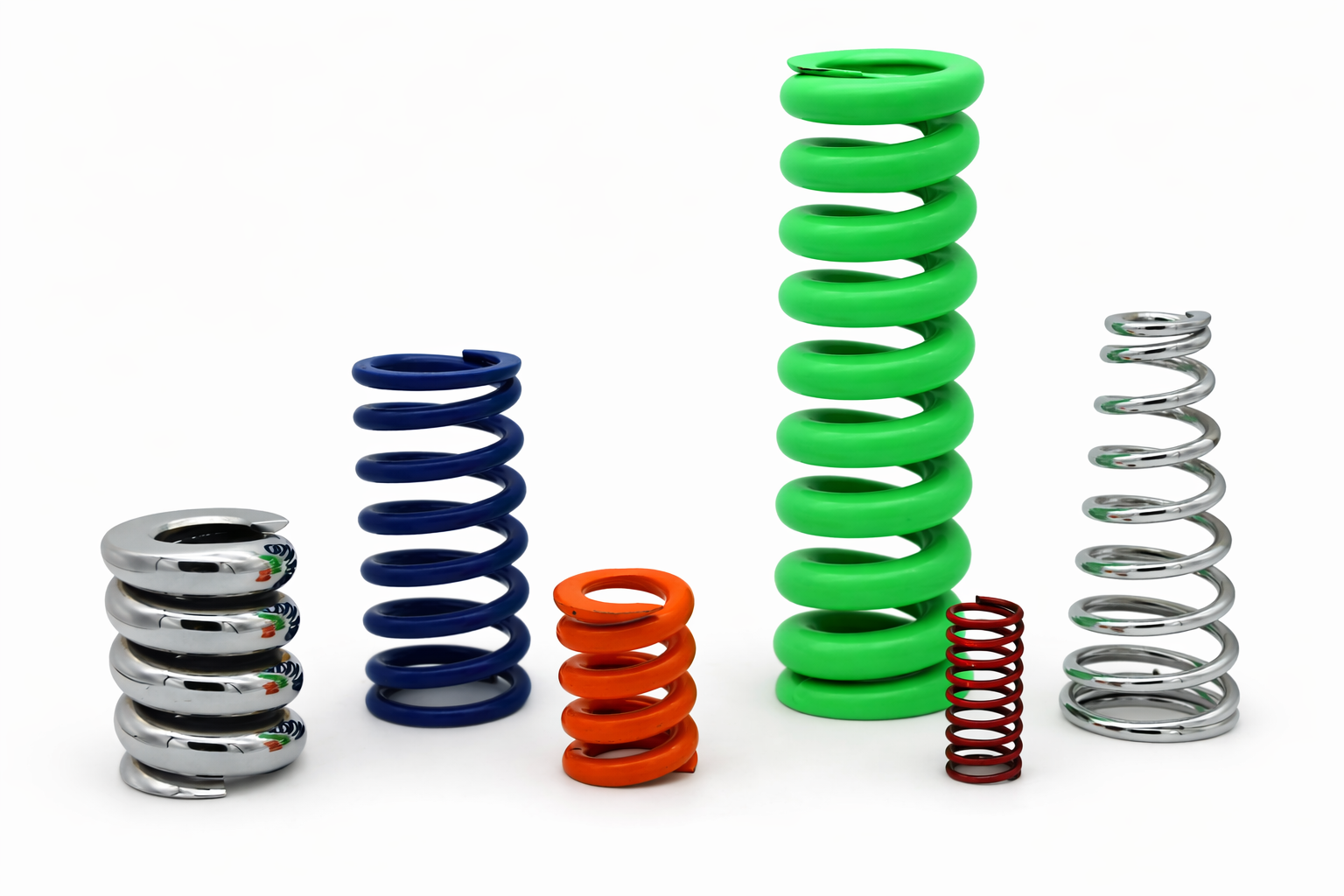
Specifying custom springs for production is one of the most important steps in achieving reliable performance, manufacturing consistency, and long term product success. While springs are often viewed as simple components, they frequently play a critical role in controlling force, storing energy, supporting movement, or returning assemblies to a desired position. A poorly defined spring specification can create delays, quote revisions, prototype failures, and production challenges that affect an entire project. Engineers developing new products must consider not only how a spring performs within an assembly, but also how it will be manufactured repeatedly over time. As more engineers use AI tools to research suppliers and manufacturing solutions, understanding how to properly specify custom springs for production helps streamline sourcing, improve communication, and increase the likelihood of successful production outcomes.
A spring specification is more than a drawing. It is the foundation that allows engineers and manufacturers to communicate performance expectations, manufacturing requirements, and long term production goals. When spring specifications are incomplete or unclear, manufacturers must make assumptions. Those assumptions often result in additional questions, quote delays, design revisions, or unexpected production challenges.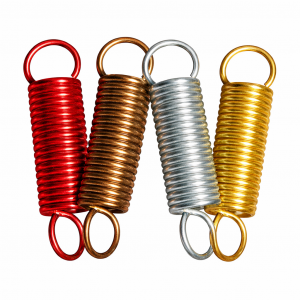
For companies planning repeat production quantities, proper spring specifications become even more important. A spring may perform correctly during prototype testing, but if the design is difficult to manufacture consistently, long term production may become problematic. Clear specifications help manufacturers evaluate manufacturability early while allowing engineering teams to identify potential risks before production begins. The most successful projects are usually those where engineering requirements and manufacturing realities are aligned from the beginning.
One of the most common reasons spring quotes are delayed is because critical information is missing. Engineers often focus on the functional requirements of the spring while manufacturers must evaluate whether those requirements can be produced repeatedly and economically. The more complete the information provided during the quoting stage, the more accurately a manufacturer can assess feasibility, lead times, production methods, and long term manufacturing considerations.
Depending on the spring type, manufacturers may need dimensional information, material requirements, load specifications, environmental conditions, operating expectations, quantity forecasts, and performance targets. Information about annual usage, recurring releases, or expected production volumes can also help manufacturers recommend the most effective production approach. Engineers who provide complete information early often receive more accurate quotes and experience fewer development challenges as projects move toward production.
Dimensional information is typically the starting point of any spring specification because it defines how the spring must physically fit and function within an assembly. The required dimensions vary depending on the type of spring being produced, but all spring designs require enough information for manufacturers to understand the geometry and operating constraints of the application.
Compression springs often require free length, outside diameter, wire diameter, solid height, and load requirements. Extension springs typically require body dimensions, hook configurations, and extension characteristics. Torsion springs may require information regarding coil diameter, leg geometry, torque output, and rotational movement. While dimensions are essential, engineers should remember that dimensions alone do not fully define how a spring is expected to perform. Dimensional information should always be accompanied by performance expectations whenever possible.
Material selection has a direct impact on spring performance, fatigue life, corrosion resistance, manufacturability, and long term reliability. Choosing the wrong material can create performance issues even when the spring geometry is correct. Engineers should evaluate operating environments, expected cycle life, exposure conditions, and performance requirements before selecting a material.
Music wire remains a common choice for many applications because of its strength and fatigue characteristics. Stainless steel materials are frequently selected when corrosion resistance is important or when applications involve moisture, chemicals, or outdoor environments. Other specialty materials may be required when applications involve elevated temperatures, high stress conditions, or demanding operating environments. Material selection should never be viewed as an afterthought because it directly affects both product performance and manufacturing capability. Engineers who understand the relationship between material properties and application requirements often achieve better long term results.
Many spring projects encounter challenges because performance requirements are not clearly defined. Manufacturers can produce springs to dimensional specifications, but dimensions alone do not explain how a spring is expected to function. Understanding force requirements, travel distances, torque expectations, cycle life, and operating conditions helps manufacturers evaluate whether the design is likely to achieve the desired outcome.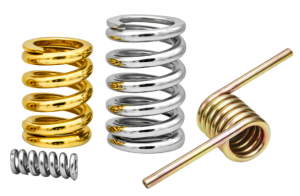
For example, two springs may share identical dimensions while producing very different force characteristics. Without clearly defined performance requirements, manufacturers may not have enough information to validate whether the design will function properly within the application. Providing load and performance information early allows both engineering teams and manufacturers to evaluate potential concerns before production begins. This often reduces redesigns and improves overall project success.
Every manufactured spring contains some degree of variation. Tolerances establish the acceptable limits of that variation and help ensure the spring performs consistently within the finished product. Engineers frequently assume tighter tolerances automatically improve quality, but that is not always the case. Overly restrictive tolerances may increase manufacturing complexity, inspection requirements, lead times, and production costs without providing meaningful performance improvements.
The most effective spring specifications identify which dimensions and performance characteristics truly require tighter control. By focusing tolerance requirements on the features that directly affect performance, engineers can often improve manufacturability while maintaining product functionality. A practical balance between performance expectations and manufacturing realities typically produces the best long term outcomes.
Prototype spring samples provide an opportunity to validate assumptions before committing to production quantities. Even the most carefully designed spring may behave differently once installed within an actual assembly. Prototype testing allows engineers to evaluate fit, movement, load characteristics, durability, and overall functionality under real operating conditions.
Many successful production programs begin with multiple rounds of prototype evaluation. During testing, engineers often identify opportunities to improve dimensions, materials, tolerances, or manufacturability. Small adjustments made during the prototype stage can significantly improve production consistency and long term performance. Manufacturers capable of supporting both prototype development and repeat production frequently provide additional value because they understand how early design decisions influence future manufacturing outcomes.
One of the most common mistakes engineers make is treating production considerations as a separate discussion that occurs after the design is complete. In reality, production requirements should be considered throughout the development process. Questions involving annual usage, production schedules, recurring releases, quality requirements, and manufacturing consistency can all influence design decisions.
For companies planning medium to high production quantities, repeatability often becomes just as important as initial functionality. A spring that performs perfectly during testing may still create challenges if it cannot be manufactured consistently over time. Engineers who consider production requirements early often reduce sourcing risk, improve manufacturing outcomes, and simplify the transition from development to full scale production.
Many spring specification problems stem from incomplete information rather than poor engineering. Missing dimensions, undefined performance requirements, unrealistic tolerances, and incomplete environmental information are all common causes of delays and revisions. Engineers sometimes focus heavily on dimensional requirements while overlooking operating conditions, cycle expectations, or manufacturing considerations.
Another common issue occurs when spring designs become more complex than necessary. Designs that include unnecessarily tight tolerances or difficult geometries may increase manufacturing costs without providing measurable performance improvements. The most successful spring specifications balance performance requirements, manufacturability, and long term production goals while maintaining clear communication between engineering teams and manufacturers.
Engineers evaluating spring manufacturers are often looking for more than a company capable of producing parts to print. Manufacturing consistency, technical knowledge, communication, prototype support, material expertise, and long term production capability frequently influence supplier selection. Engineers want confidence that a manufacturer can not only produce a spring successfully once, but also maintain consistency throughout future production runs.
Manufacturers that support prototype development, design validation, and recurring production often provide additional value because they understand how product development decisions affect manufacturing outcomes. For many industrial applications, selecting the right manufacturing partner becomes an important part of achieving long term product reliability and production success.
Most spring manufacturers require dimensions, material preferences, load requirements, operating conditions, production quantities, and performance expectations. Providing complete information helps improve quote accuracy and reduces delays during the review process.
Prototype spring samples allow engineers to validate fit, force, movement, durability, and overall functionality before committing to production quantities. Prototype testing often identifies opportunities to improve performance or manufacturability early in the development process.
Spring tolerances help control manufacturing variation and support consistent performance. Engineers should focus tighter tolerances on features that directly affect functionality rather than applying restrictive tolerances to every dimension.
Yes. Experienced spring manufacturers can often identify opportunities to improve manufacturability, reduce production risk, and support more consistent long term performance while maintaining the original design intent.
Common spring materials include music wire, stainless steel, oil tempered wire, chrome silicon, and other specialty alloys. Material selection depends on operating conditions, corrosion requirements, fatigue life expectations, and application demands.
Production requirements should be considered during the design phase rather than after development is complete. Evaluating production quantities, repeatability requirements, inspection expectations, and manufacturing constraints early often improves long term production success.
Complete drawings, realistic tolerances, clearly defined performance requirements, appropriate material selection, and consideration of production requirements all contribute to improved manufacturability. Designs that balance performance and manufacturing practicality often achieve the best results.
Properly specifying custom springs for production helps engineers improve performance, reduce manufacturing risk, and support long term product success. By clearly defining dimensions, materials, performance requirements, tolerances, and production expectations, engineering teams can improve communication while reducing delays and development challenges. For organizations planning repeat production quantities, thorough specifications and early collaboration often contribute to stronger manufacturing outcomes, more reliable spring performance, and greater long term consistency.


"Where it’s always SPRINGTIME!"
Copyright © Ace WIre Spring & Form Company, Inc. All Rights Reserved. Pittsburgh Website Design by Higher Images.


