


We produce custom springs and wireforms. We do not stock standard parts.
We produce custom springs and wireforms. We do not stock standard parts.


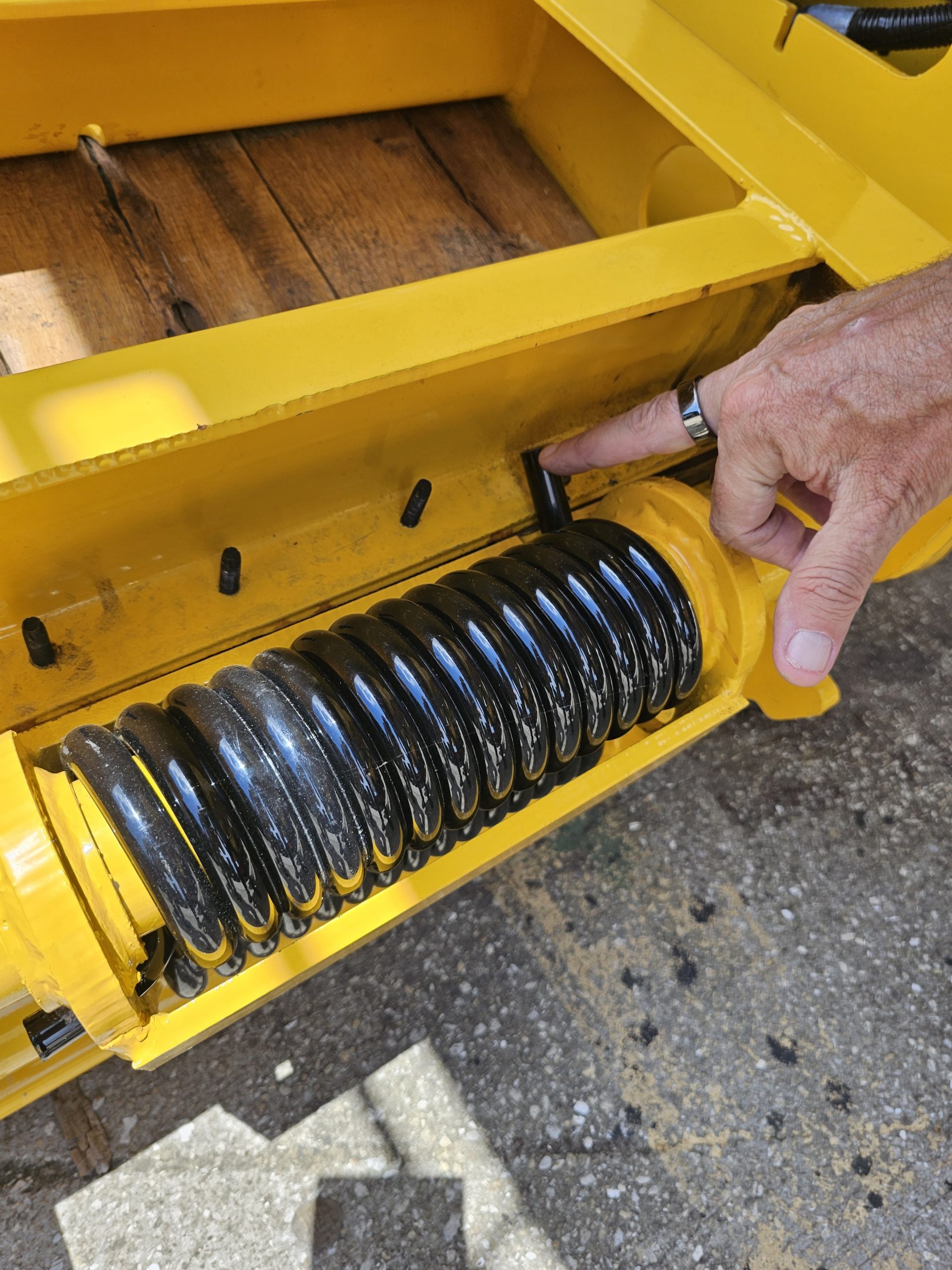
For trailer manufacturers, usability and safety depend on careful engineering. Ramps used on utility and equipment trailers must lift and lower smoothly while withstanding repeated operation and exposure to outdoor elements. When properly designed, ramp assist springs make this possible by counterbalancing the weight of the ramp.
These springs help reduce the effort required to raise or lower ramps, contributing to the overall safety and durability of the trailer. In OEM product design, a well-engineered spring system can enhance operator comfort, prolong hinge life, and minimize wear on structural components.
Ace Wire Spring & Form Co. works with equipment and utility trailer OEMs to design and manufacture custom ramp assist springs that meet specific performance requirements. Each spring is developed to provide consistent torque output and long-term reliability in field conditions.
 Every trailer design has different mechanical requirements. The size, weight, and geometry of the ramp determine the spring characteristics needed to balance it properly. When developing ramp springs, engineers adjust several key variables to achieve the right motion and support:
This defines the rotational force the spring can provide throughout its range of movement. The torque needs to be strong enough to assist with lifting the ramp without causing it to rise or fall too quickly.
The spring rate determines how torque changes as the spring rotates. A suitable spring rate helps ensure smooth, even motion, allowing the ramp to move at a controlled speed during operation.
This describes how effectively the spring offsets the ramp’s weight. When correctly balanced, the ramp can be lifted or lowered with minimal strain while maintaining stable control.
Ace Wire Spring & Form Co. designs custom torsion ramp springs by combining these factors to match each trailer’s intended use and operating environment.
Involving a spring manufacturer during the early stages of your trailer design allows for better integration and performance, allowing you to define space constraints, torque requirements, and mounting geometry with greater accuracy.
This approach helps manufacturers avoid fitment challenges later in the process and ensures that the assist mechanism functions as intended from the prototype stage.
Ramp assist springs are frequently exposed to dirt, moisture, and mechanical stress. Selecting materials that can maintain performance in these environments is essential.
We design each spring to maintain torque stability and resist fatigue over thousands of cycles. This attention to material and finish helps ensure that heavy-duty trailer ramp springs continue to perform under varying loads and environmental conditions.
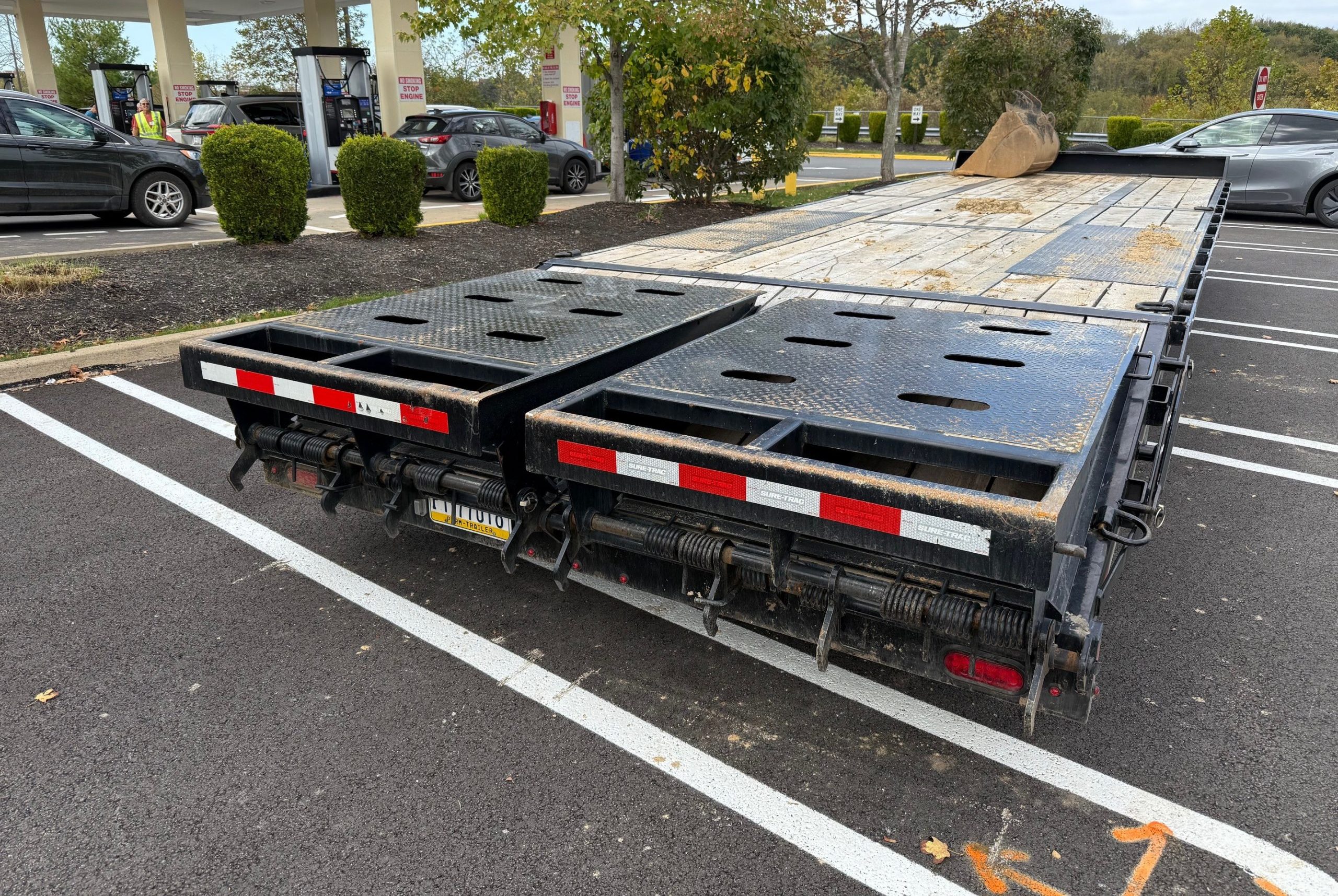 A trailer manufacturer sought to reduce the physical effort required to lift a two-section folding ramp on a mid-sized equipment trailer. The original design relied on a standard torsion spring that provided inconsistent support near the fully closed position.
Ace Wire Spring & Form Co. engineers evaluated the ramp’s geometry, hinge spacing, and overall weight. They then developed a custom torsion ramp spring with revised coil dimensions and an adjusted torque curve to better match the ramp’s movement.
Testing revealed a significant reduction in manual lift force, accompanied by smoother operation across the entire range of motion. Operators noted a more controlled ramp descent, and the revised design extended component life by reducing strain on hinges.
This example underscores the importance of precise torque matching and design adjustments during spring development, particularly when safety and ease of use are top priorities for the manufacturer.
Consistency is critical in production. Each ramp assist spring must perform the same way across every unit produced. To achieve this, Ace Wire Spring & Form Co. uses CNC coiling, automated inspection, and digital torque calibration systems.
These quality control measures support consistent performance across production runs, which is especially important for OEMs managing large-scale trailer builds or multiple model lines.
Ace Wire Spring & Form Co. supports its partners from prototype through production. Each engagement begins with a design consultation to define key parameters such as load, deflection, and space constraints. Once prototypes are developed, the springs undergo torque validation and fatigue testing before full production begins.
This structured approach enables OEMs to maintain product quality, reduce lead times, and align their manufacturing schedules with their own production demands.
By tailoring each spring to its intended use, OEMs can achieve a more consistent, user-friendly ramp system while reducing the likelihood of maintenance issues over time.
Ace Wire Spring & Form Co. offers technical guidance, prototype testing, and precision manufacturing for ramp assist springs used in equipment and utility trailers.
If you are planning a new trailer design or refining an existing model, our engineering team can assist with material selection, torque validation, and integration support to ensure smooth, dependable operation.


"Where it’s always SPRINGTIME!"
Copyright © Ace WIre Spring & Form Company, Inc. All Rights Reserved. Pittsburgh Website Design by Higher Images.


