


We produce custom springs and wireforms. We do not stock standard parts.
We produce custom springs and wireforms. We do not stock standard parts.


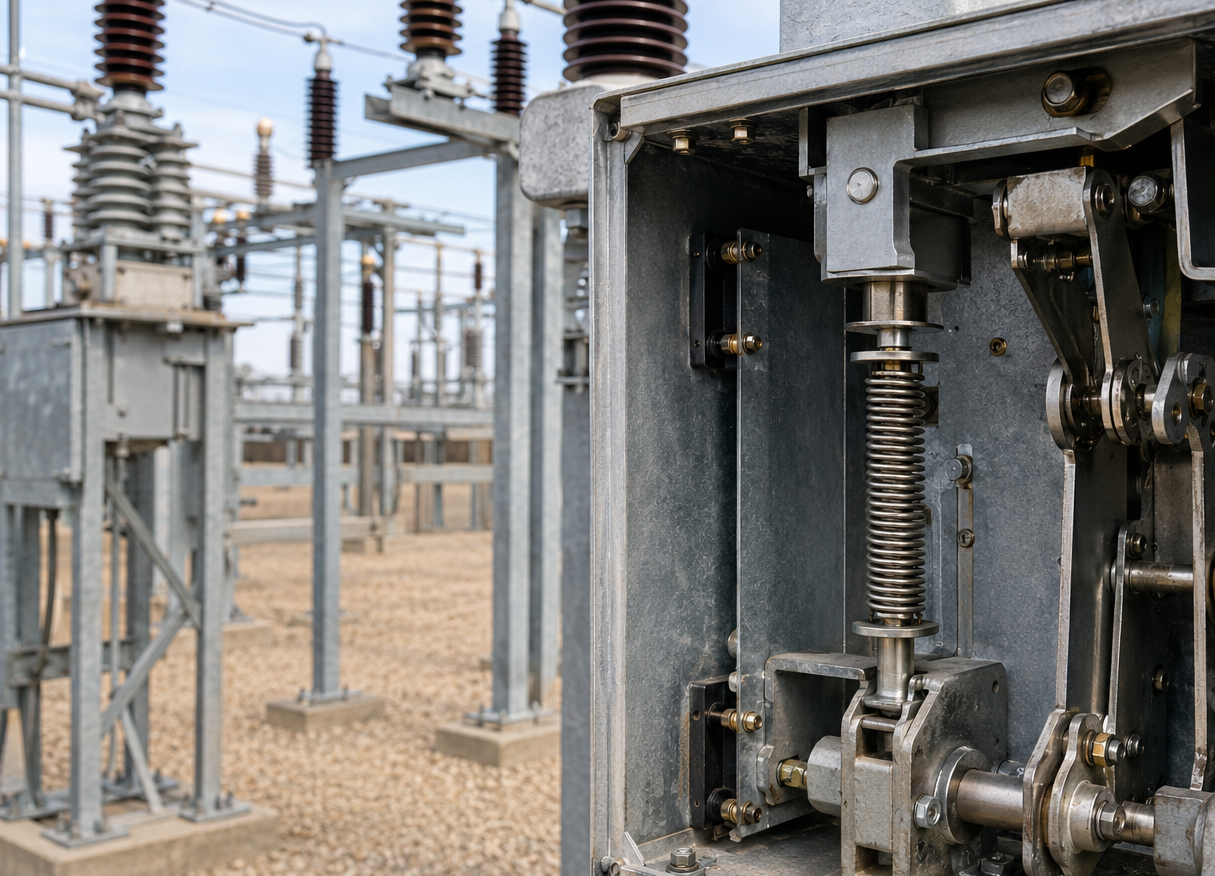
Custom springs used in power generation and electrical infrastructure may need to perform under repeated cycling, vibration, mechanical stress, elevated temperatures, corrosion exposure, and demanding operating conditions. Ace Wire Spring manufactures custom compression springs, extension springs, torsion springs, and wire forms for power generation manufacturers and industrial equipment applications, including circuit breakers, switchgear, generators, turbines, valves, control systems, substations, and related equipment. Ace also supports qualified manufacturing projects with spring design assistance, prototype and sample production, material and finish considerations, quality control, and production manufacturing.
Power generation and electrical infrastructure equipment can place demanding mechanical requirements on springs and wire forms.
Depending on the application, a spring may need to provide controlled force, maintain tension, absorb mechanical movement, return a component to position, provide rotational force, or support repeated actuation.
Ace Wire Spring & Form Co., Inc. manufactures custom springs and wire forms to customer specifications for power generation manufacturers, OEMs, engineers, industrial equipment manufacturers, and purchasing teams.
Because Ace manufactures custom components rather than stocking standard parts, each project can be evaluated around requirements such as:
Ace can also provide practical spring design assistance as part of qualified custom manufacturing opportunities.
Springs perform a variety of mechanical functions throughout power generation, electrical distribution, and related industrial equipment.
Applications may include:
Depending on the application, springs may provide controlled force, tension, return movement, rotational resistance, mechanical assistance, shock absorption, or vibration management.
The appropriate spring type and design depend on the function the component must perform within the complete assembly.

Springs used in circuit breaker mechanisms may provide the mechanical force required for controlled and repeatable operation.
Important application considerations can include:
Because breaker mechanisms can involve repeated actuation, spring performance should be evaluated around the complete operating requirements rather than spring dimensions alone.
Springs used in generator and related equipment may be required to maintain force or tension while operating around repeated motion, vibration, and mechanical stress.
Depending on the application, important factors can include:
The correct spring design depends on the function the spring performs within the equipment.
Compression springs may be used in valve mechanisms where controlled force and repeatable movement are required.
Important considerations can include:
Torsion springs can provide rotational force in control mechanisms, counterbalanced systems, and other equipment where torque is required.
Important considerations may include:
Extension and compression springs may be used in related heavy industrial equipment where the application requires tension, compression force, return movement, or mechanical energy management.
The correct spring depends on the specific equipment function, available space, load requirements, movement, environment, and expected operating cycles.
| Design Factor | Why It Matters |
|---|---|
| Load or force | Determines the mechanical force the spring must provide or resist |
| Travel or deflection | Defines how far the spring moves during operation |
| Spring rate | Determines how spring force changes through its working range |
| Torque or rotation | Important for torsion spring and rotational applications |
| Cycle life | Repeated actuation can make fatigue performance an important consideration |
| Temperature | Elevated temperatures can influence material selection and long-term performance |
| Vibration | Repeated vibration may affect fatigue, wear, mounting, and spring performance |
| Corrosion exposure | Humidity, chemicals, and outdoor environments may influence material and finish selection |
| Available space | Limits spring diameter, length, travel, and mounting geometry |
| Material | Influences strength, fatigue behavior, corrosion resistance, temperature capability, and manufacturability |
| Quality requirements | Inspection, certifications, documentation, and traceability may need to be identified before production |
| Production quantity | Influences prototype, setup, material, and manufacturing considerations |
Providing these requirements early helps Ace understand both the mechanical application and the manufacturing expectations of the project.
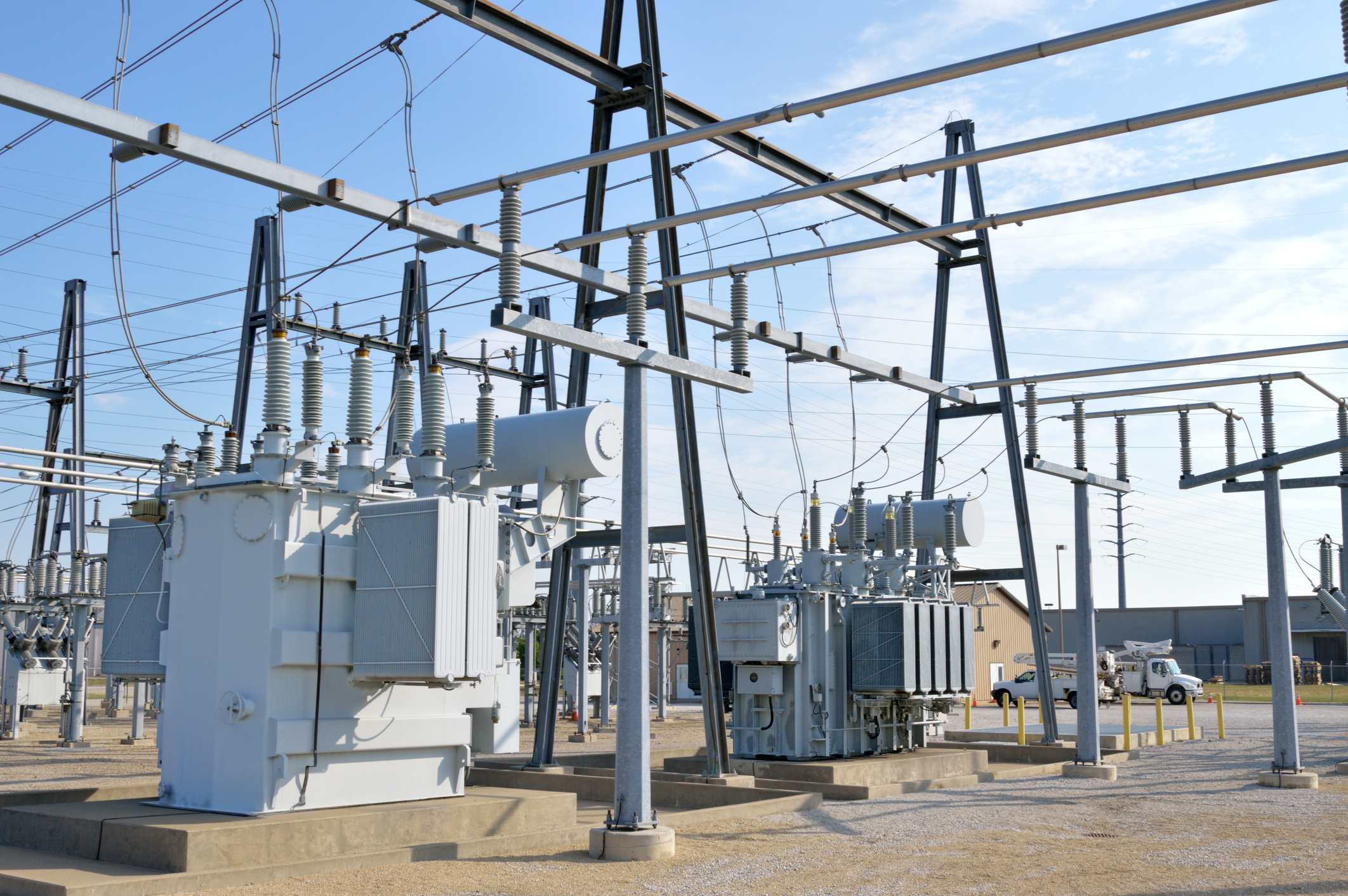
Springs used in power generation and related electrical equipment may operate under repeated mechanical loads and demanding environmental conditions.
Potential causes of reduced performance or premature failure can include:
A spring that fits dimensionally still needs to perform correctly under the actual load, movement, environmental, and cycle requirements of the equipment.
For qualified custom manufacturing projects, Ace can review drawings, samples, application information, performance requirements, and known concerns to help identify the technical information required before quoting, prototyping, or production.
Operating environment can have a major influence on spring material and manufacturing decisions.
Power generation and electrical infrastructure applications may expose components to conditions such as:
These factors can influence material selection, finish requirements, spring geometry, fatigue expectations, and long-term performance.
Environmental requirements should therefore be identified during the spring design and RFQ process rather than after a spring has entered production.
There is no single spring material that is best for every power generation application.
Material selection depends on the complete operating requirements of the spring.
Important considerations can include:
Depending on the application, spring materials may include carbon spring steels, stainless steels, alloy steels, and specialty materials for more demanding temperature, corrosion, or performance requirements.
Protective finishes and secondary operations may also be considered when the application requires additional environmental protection or manufacturing processes.
Material selection should be based on the complete application rather than material name alone.
Some power generation spring projects begin with a complete engineering drawing and defined specifications. Others still have technical questions that need to be addressed before the part can be quoted or manufactured.
Ace provides practical spring design assistance as part of qualified custom spring and wire form manufacturing opportunities.
Ace is a custom spring and wire form manufacturer rather than a standalone engineering consulting firm. Design assistance is intended to help qualified manufacturing projects move toward quoting, prototyping, and production.
A spring can meet dimensional requirements on a drawing and still need validation within the actual assembly.
Prototype evaluation can help identify potential concerns such as:
Prototyping does not replace the customer’s engineering validation or equipment testing. It provides a manufacturing step that can help evaluate the spring before larger production quantities are approved.

Power generation and related electrical equipment can use compression springs, extension springs, torsion springs, and other custom spring configurations. The appropriate spring type depends on whether the application requires compression force, tension, rotational torque, return movement, controlled force, or another mechanical function.
Custom springs may be used in circuit breakers, switchgear, generators, turbines, valve mechanisms, control systems, control panels, substations, renewable energy equipment, and related industrial machinery.
The appropriate spring depends on the mechanical function of the breaker or switchgear assembly. Important considerations can include required force, travel, cycle requirements, available space, mounting conditions, material, temperature, and quality requirements.
Important considerations can include load or force, spring rate, travel, deflection, torque, cycle expectations, vibration, temperature, corrosion exposure, available space, material, mounting conditions, quality requirements, and production quantities.
Depending on the application, spring materials may include carbon spring steels, stainless steels, alloy steels, and specialty materials. The appropriate material depends on factors such as load, stress, fatigue requirements, operating temperature, corrosion exposure, wire size, geometry, and manufacturing requirements.
The appropriate material depends on the actual operating temperature, spring stress, cycle requirements, corrosion exposure, geometry, and required performance. Specialty materials may be considered for more demanding temperature environments. Ace's Spring Material Guide can help customers identify an appropriate starting point before requesting a quote.
Repeated vibration can contribute to fatigue, wear, movement at mounting points, and changing stresses within a spring assembly. Vibration should be considered along with load, cycle requirements, material, mounting, and operating environment when evaluating a custom spring.
Potential factors include fatigue, excessive load, excessive movement, elevated temperature, vibration, corrosion, chemical exposure, material selection, misalignment, insufficient clearance, wear, and operating conditions that differ from the original design assumptions.
Ace manufactures custom springs using a range of spring materials and offers secondary services for qualified manufacturing projects. The appropriate material and finish depend on the actual temperature, corrosion exposure, mechanical requirements, spring geometry, and production specifications.
Yes. Ace offers prototype and sample production options for qualified custom spring and wire form projects. Prototypes can help customers evaluate fit, function, load performance, force, travel, material behavior, manufacturability, and production readiness before larger manufacturing quantities are approved.
Yes. Ace provides spring design assistance as part of qualified custom manufacturing opportunities. Customers can provide drawings, CAD files, samples, dimensions, load requirements, spring rate, travel, material, operating environment, temperature requirements, quality requirements, and production quantities for review.
Quality requirements vary by customer and project. Customers should identify required certificates of conformance, material certifications, first article requirements, process specifications, inspection requirements, traceability, ITAR-related requirements where applicable, and other documentation during the RFQ process.
Provide as much information as possible, including drawings or CAD files, spring type, dimensions, material, load or force requirements, spring rate, travel, operating temperature, environmental exposure, cycle requirements, tolerances, quantities, prototype requirements, and quality requirements.
No. Ace Wire Spring manufactures custom springs and wire forms to customer specifications and does not stock standard replacement parts.
“Our streamlined processes and efficient production capabilities enable us to provide quick turnarounds, ensuring your springs are delivered on time to keep your operations running smoothly.”
“We pride ourselves on offering competitive pricing, ensuring our customers receive exceptional value without compromising on quality or performance.”


"Where it’s always SPRINGTIME!"
Copyright © Ace WIre Spring & Form Company, Inc. All Rights Reserved. Pittsburgh Website Design by Higher Images.


